

Herza Schokolade adds sucrose-free and high-protein options to its organic chocolate range.
Herza Schokolade adds sucrose-free and high-protein options to its organic chocolate range.

Drinking yogurts and fermented beverages are moving forward with new formats and target markets, says Innova Market Insights.

Hinoman says its proprietary cultivation process allows for eco-friendly and continuous production of the high-protein duckweed strain.

Velositol increased muscle protein synthesis by a significant 34% when combined with whey protein-more than when whey protein was given alone.

As local, sustainable, and “clean” continue driving all markets in 2016, a few ingredients are standing out, says SPINS.
Arla Foods Ingredients says its new Health to-Go solution is meant to “offer hungry urbanites a convenient fix.”

The supplements industry is surviving-even thriving-in a difficult year.
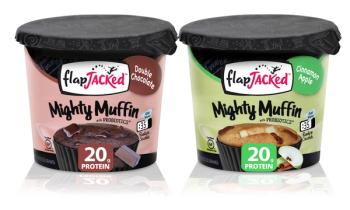
The product is a first of its kind in the immune-health functional foods space.

Pea, pulse, algae, and hemp proteins were identified as some of the proteins most likely to have increased usage in a new survey of technical staffers in the food industry.

HarvestPro Wheat Protein 85 is said to have an improved amino acid profile with high levels of glutamine and proline compared to soy and whey protein isolates.
The class-action lawsuit alleges Cheerios Protein is “falsely and misleadingly marketed.”

Early research into whey’s potential to fight against sarcopenia has marketers and consumers looking at whey protein in a new light.
These benefits will come in handy in applications such as beverages and high-protein powder shakes, the company says.
Glanbia’s HarvestPro Pea Protein 83EF offers reduced bitter green pea notes, according to sensory trials.

Revenues for functional dairy beverages may double in the next decade, according to a new report.

High protein intake may have as much of an effect on blood pressure as lifestyle risk factors such as salt intake, smoking, physical activity, and alcohol consumption, according to a new study.

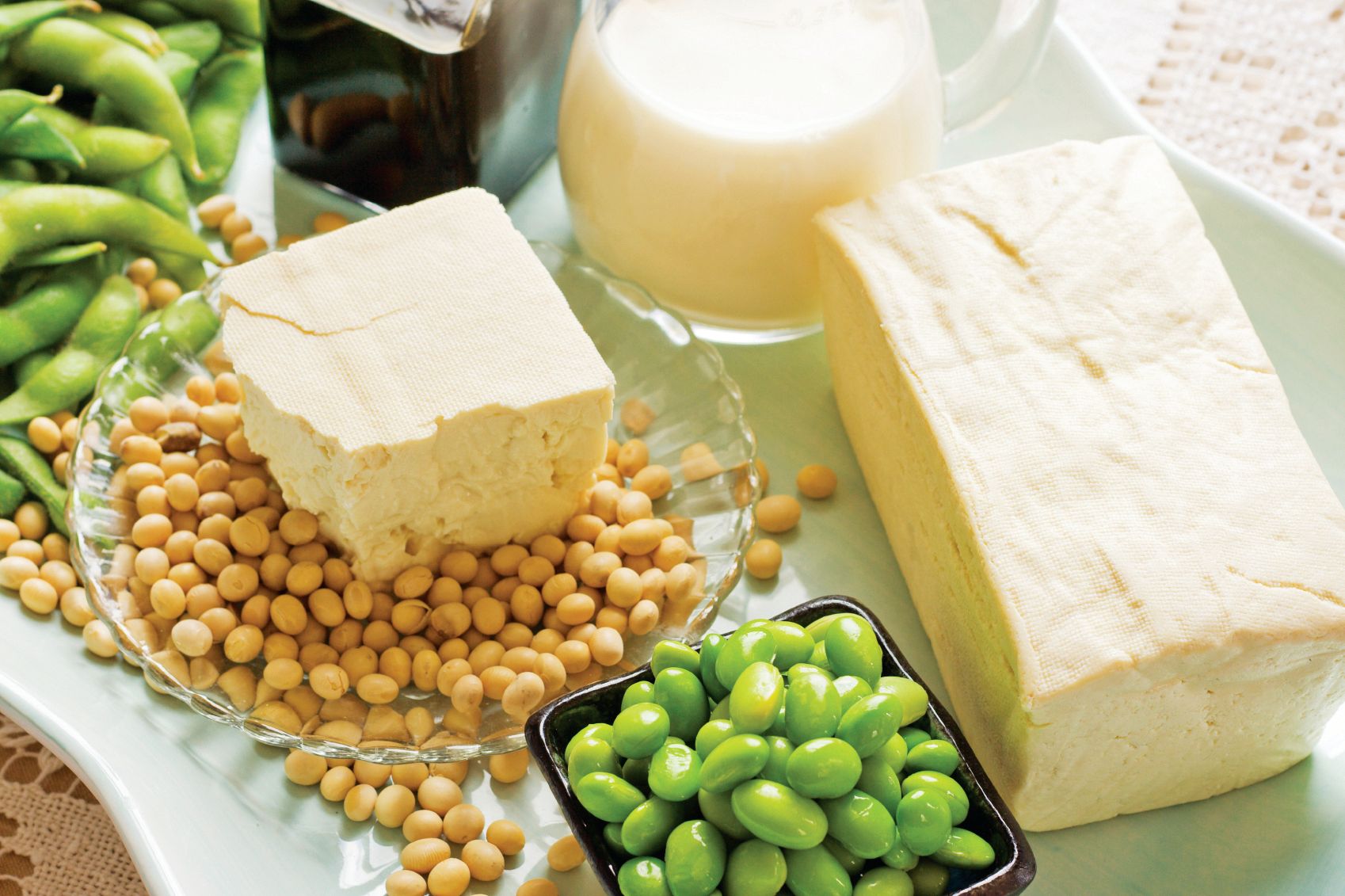
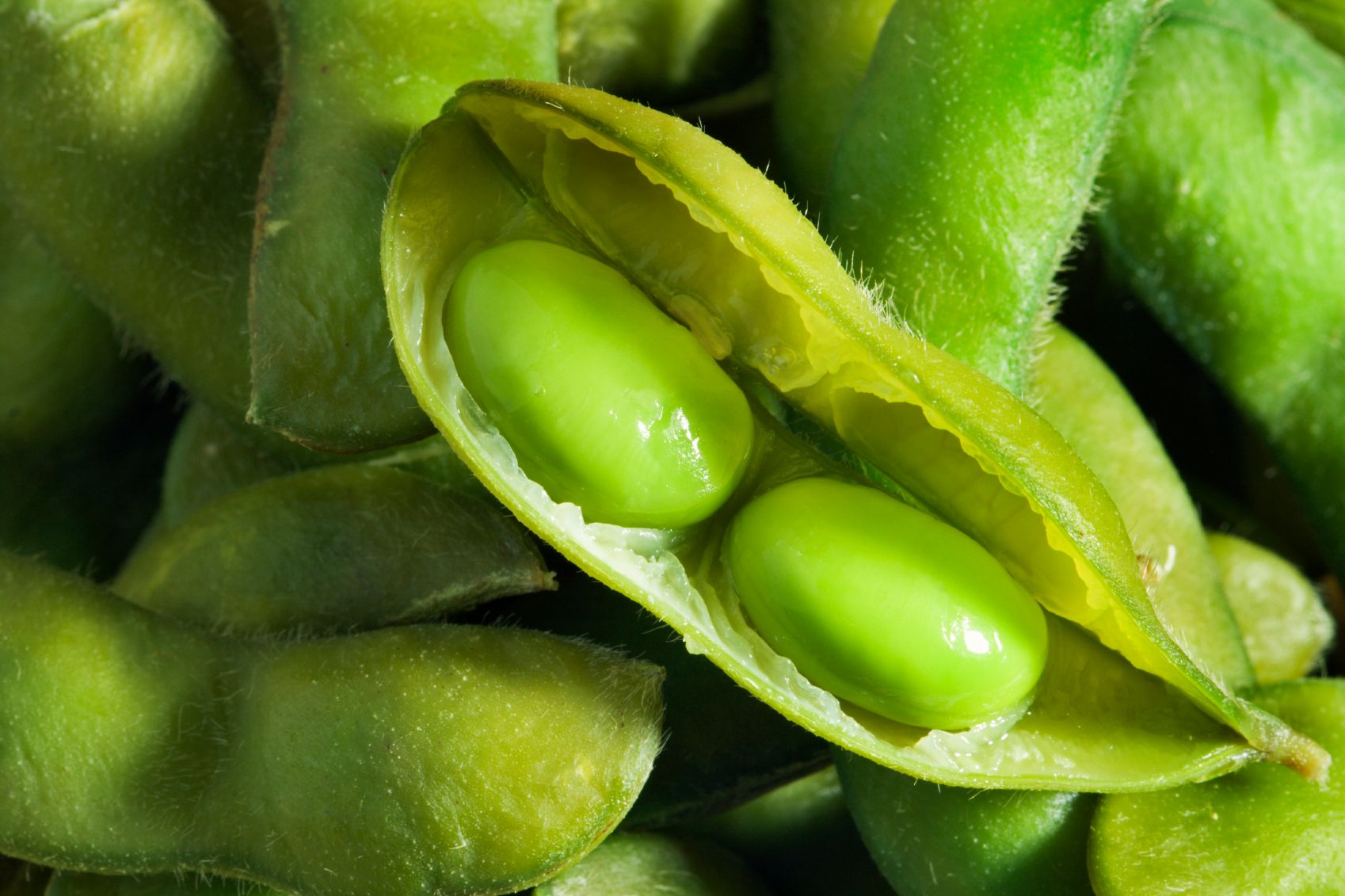
Soy protein can offer manufacturers a significant positive impact in three key areas: health benefits, economic value, and sustainability.

Algal proteins may be the next generation of algae-based ingredients.
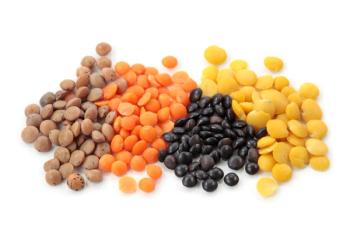
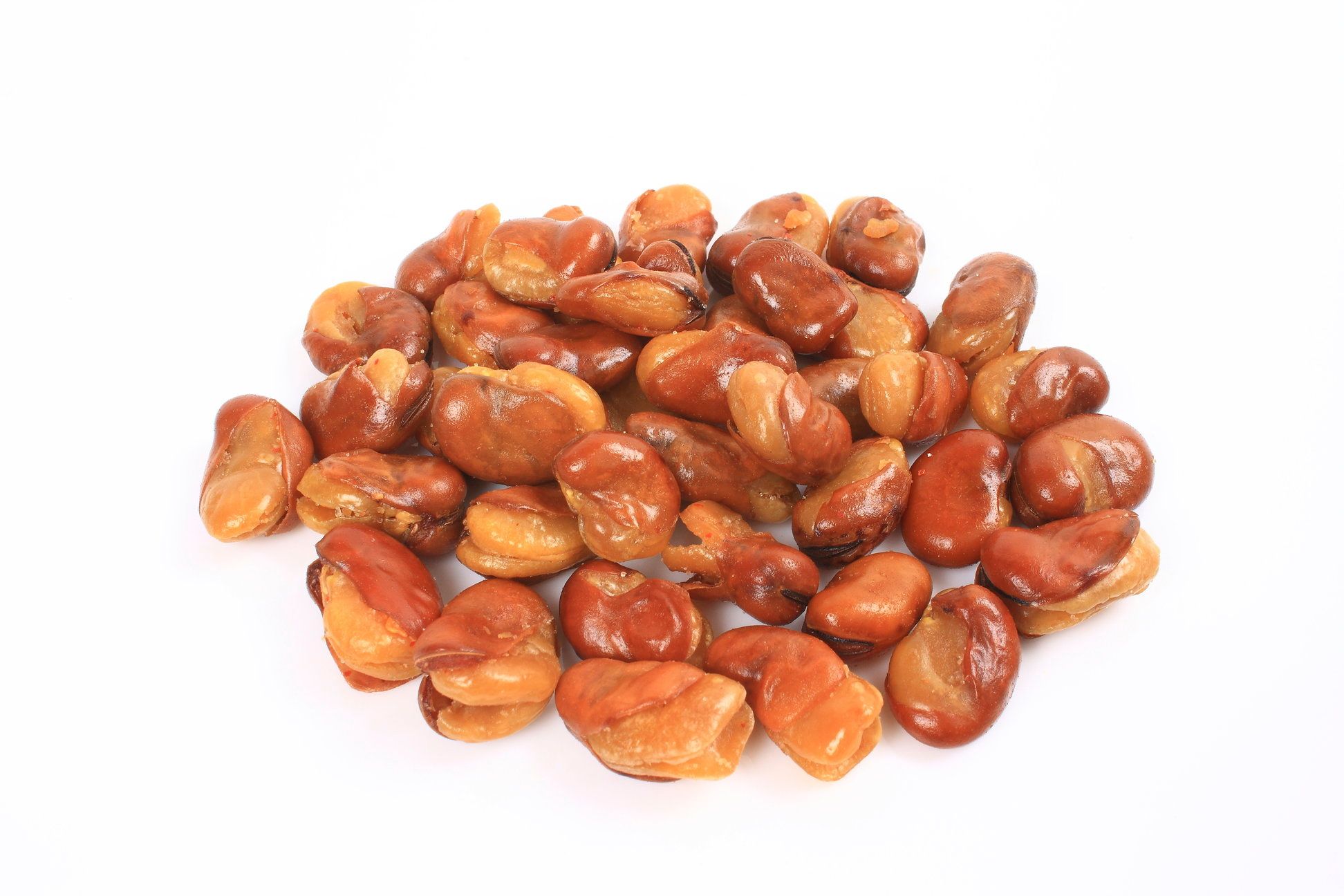
Faba bean, pumpkin seed, mankhai, and more may be among the next generation of plant proteins.

Hydrosol’s Stabisol JOC stabilizer lets companies entirely replace the milk in yogurt with sweet whey.

PDCAAS has set the standard of protein quality for more than 20 years, but some experts want to replace it with the new DIAAS method.

The study also looked at the effects of plant protein versus animal protein.
This patent-pending process eliminates contamination and enables continuous, year-round supply.

Whether from plants or animals, protein lends the weight-management sector some much-needed credibility.
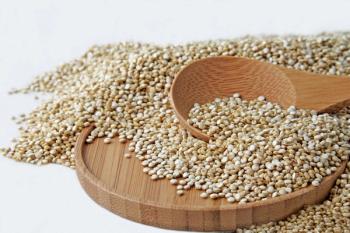
High-protein products are only as effective as the enzymes that optimize them.