




The ingredient supplier will spotlight Cognizin Citicoline’s push into functional foods and beverages, as well as Setria's 20th anniversary.
The ingredient supplier will spotlight Cognizin Citicoline’s push into functional foods and beverages, as well as Setria's 20th anniversary.

The precision-granule platform Tailored Script enters the U.S. and Australian markets, giving brands and practitioners a way to manufacture individualized formulations at scale.

The Indian branded-ingredient supplier has closed a growth investment from NDude Labs to expand clinical research and establish a dedicated US commercial operation, reflecting investor interest in ingredient companies that lead with published data.

The company introduces Gut & Protein Optimizer, a probiotic-enzyme formula for protein utilization, and NMN 300 mg, an NAD+ precursor.

Built on Calanus Oil and ORIVO-verified fish oil, the concept targets brands seeking faster, differentiated omega-3 product development.

A mixed cell-culture and mouse study found that Ahiflower oil, a plant-based omega-3 source, reduced markers of endothelial inflammation, blood lipids, and platelet clotting activity at levels comparable to fish oil.

Nova Mentis's HT1 ingredient bypasses olive extraction, aiming to give formulators a more consistent supply of the polyphenol.

The appointment comes as the CDMO continues to expand its gummy, softgel, and fizzy tablet format offerings for brand partners.

At the Future Nutra Innovation Summit, PLT Health's Steve Fink discusses joint, cognitive, and longevity nutrition explaining why "experiential longevity" is reshaping formulation strategy.
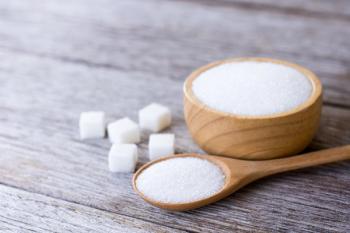
Pooled RCT evidence from three EU consortia shows non-nutritive sweeteners may support weight loss maintenance without adverse effects on biomarkers or taste preference.

CHAKHAN Co. has launched a black seed oil supplement in South Korea built on TriNutra's ThymoQuin ingredient, extending the branded ingredient's international footprint into a market where it has not previously been sold under a local retail brand.
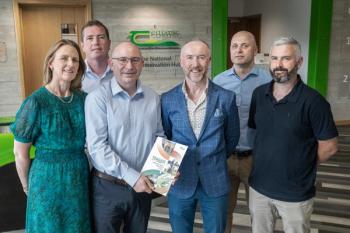
CoreFX Ingredients is opening a European headquarters and research operation in County Cork, Ireland, partnering with a public agricultural research campus to work on formulation problems that have long limited how bioactive compounds perform in finished nutraceutical products.

Live from the Future Nutra Innovation Summit, Kerry Hughes, founder and president of Ethnopharm, explains why botanicals' complex compound networks represent nutrition's next innovation frontier.

A year-to-date look at the various forces pushing digestive health formulation toward more precise, mechanism-driven claims.

Nammex is bringing its already-introduced ErinaPrime Lion's mane mycelium ingredient, standardized to a specific neuroactive compound, to SupplySide Global.

A laboratory study using human liver cells found that Optifolin+, a choline-enriched form of 5-methyltetrahydrofolate, increased methyl-donor metabolite levels, adding cell-based data to the folate ingredient's evidence base ahead of any human methylation research.

The >Your< Hydramin+ Sticks target the growing overlap between functional hydration, sports nutrition, and beauty-from-within supplements.

The Dietary Supplement Innovation Act, introduced by Rep. Harshbarger, would cap indefinite preclusion, require science-based review standards, and open FDA warnings to court challenge.

Paul Eftang used his FNIS session to walk through lab data on lion's mane and Tongkat Ali products that pass identity and DNA testing while containing few or none of the bioactive compounds their marketing claims are based on.

At the Future Nutra Innovation Summit, Sibyl Swift, PhD, founder and principal of Swift Strategy Group, discusses supplement oversight and unpacks why mandatory product listing divides the industry.
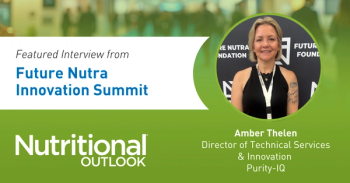
Live from the Future Nutra Innovation Summit, Amber Thelen, director of technical services and innovation at Purity-IQ discusses strain-level verification gaps, NMR testing, and viability PCR for probiotic testing.
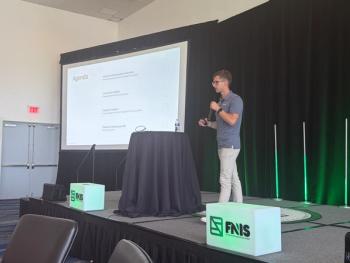
At the Future Nutra Innovation Summit, SPINS' Scott Dicker presented data showing protein and performance nutrition account for 45% of total supplement growth, while sleep, cognitive health, reproductive health, and weight loss formulas have flattened or declined.

Live from the Future Nutra Innovation Summit, Cassie Evans, PhD, RD, explains what sets Helaina's effera human-identical lactoferrin apart in multiple aspects.
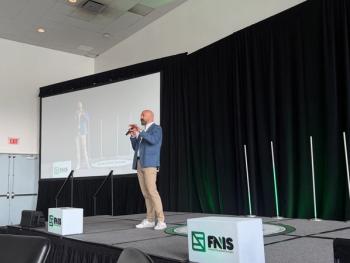
The inaugural Future Nutra Innovation Summit opened with organizers pitching a networking-first alternative to the traditional trade show, followed by an NSF presentation on certification failure rates and consumer trust that set a tone for the rest of the event.

Luigi Cappello joins CEO Tim Condron on Vitaquest's executive team; the company also recently expanded its probiotics manufacturing capacity.
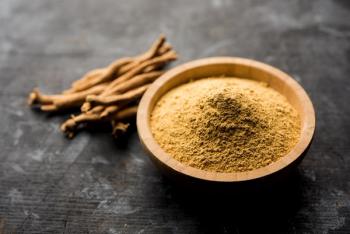
The randomized, double-blind placebo-controlled study found laboratory safety markers remained within normal ranges across treatment and placebo groups.

This overview outlines the clinical background, consumer landscape, and technical developments shaping the gluten-free category.

As joint structure degrades, pain and mobility become problems. Certain supplement ingredients may help maintain joint integrity and forestall pain and poor function as one ages.

New research finds 40% of consumers still struggle with digestive upset and points formulators toward function-first messaging over ingredient-first claims.

The partnership pairs Oobli's non-GMO sweet proteins, which offer sugar-like taste but digest as protein, with education initiatives and a consumer-facing platform.