


The Dietary Supplement Innovation Act, introduced by Rep. Harshbarger, would cap indefinite preclusion, require science-based review standards, and open FDA warnings to court challenge.
The Dietary Supplement Innovation Act, introduced by Rep. Harshbarger, would cap indefinite preclusion, require science-based review standards, and open FDA warnings to court challenge.

At the Future Nutra Innovation Summit, Sibyl Swift, PhD, founder and principal of Swift Strategy Group, discusses supplement oversight and unpacks why mandatory product listing divides the industry.
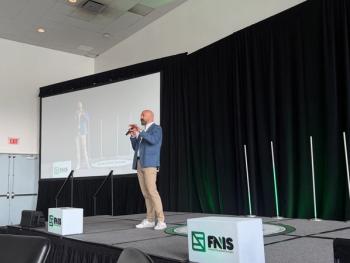
The inaugural Future Nutra Innovation Summit opened with organizers pitching a networking-first alternative to the traditional trade show, followed by an NSF presentation on certification failure rates and consumer trust that set a tone for the rest of the event.

This overview outlines the clinical background, consumer landscape, and technical developments shaping the gluten-free category.

A new request for information, expert roundtable findings, and a transatlantic workshop signal FDA's renewed focus on plant-based drug products.

Congress has pushed back the 0.4 mg THC cap by one month, giving supplement brands additional time before the new hemp definition takes effect.

BBB National Programs’ National Advertising Division upheld Kendal Nutricare's core ingredient claim, but recommended changes to nutrition, breast milk, and brand heritage messaging.

"Adaptogen" has no formal US regulatory definition, but it traces to a specific 1958 scientific origin and a defined set of pharmacological criteria that formulators can use to evaluate ingredient claims.

A newly launched, heat-killed postbiotic ingredient from Superbrewed Food aims to give formulators an alternative to live probiotics that don't require viability management through manufacturing and shelf life.

The ingredient supplier will present a dozen branded ingredients spanning joint, metabolic, and cognitive health categories as the Asia-Pacific supplement market continues to expand.

President Trump announced in a Truth Social post that he will be nominating Heidi Overton, MD, PhD, as FDA's new Commissioner to replace Commissioner Martin Makary who resigned in May.

New program offers product testing database and compliance tools to help retailers distinguish legal kratom products from synthetic compounds.

Ashish Talati discusses the proposed GRAS rule, and what industry needs to understand about complying with the rule should it be finalized.

As a federal THC cap looms, industry leaders weigh in on what the new hemp definition means for brands and formulators.
The proposed rule would end nearly 7 decades of voluntary GRAS notification, a change with direct implications for how supplement and functional food ingredients enter the market.
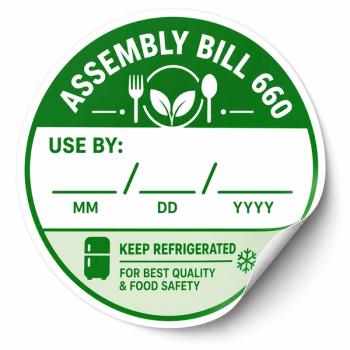
California is the first state to pass a bill requiring standardized consumer-facing food date labels, with New York in tow. The new labels prescribe terminology for quality or safety-based date labels on food products.

In the sixth episode, Nicholas Saraceno breaks down why collagen, skin microbiome science, and nutricosmetics are converging into one of the fastest-growing categories in the industry, and why claims substantiation remains the biggest gap between where the science is and where the marketing tends to go.
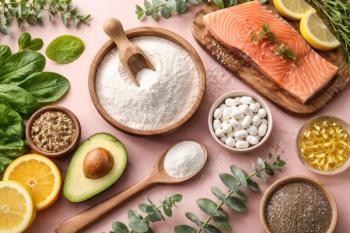
As demand grows for both animal-derived and fermentation-based collagen, this FAQ provides finished product manufacturers a clear understanding of how sourcing decisions affect sustainability claims, regulatory compliance, and formulation strategy.

A probiotic strain developed specifically for oral health, rather than digestive wellness, has cleared Health Canada's natural health product review, giving manufacturers a regulatory pathway into the Canadian market.
In the fifth episode, Nicholas Saraceno walks through why natural colors, upcycled ingredients, and sustainable sourcing have become inseparable from consumer trust, and what that shift means for manufacturers deciding where to invest first.

A breakdown of what reliable scientific evidence requires, and how a study's dose, population, and ingredient form affect whether it supports a given claim.
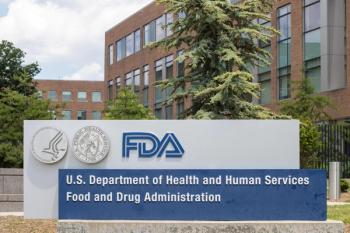
FDA finalizes its order to repeal Orange B's food-color authorization and proposes doing the same for Citrus Red No. 2, citing years of inactive certification records.

Hemp businesses and a trade association argue HB 2641's conflicting definitions of "hemp" and "marijuana" would criminalize lawful products and hand the market to a capped pool of marijuana licensees.
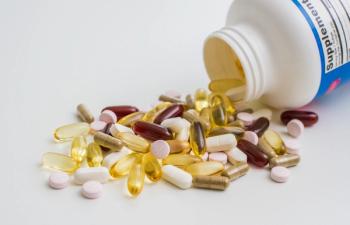
The ACP position paper includes a ten-point regulatory reform proposal that includes pharmaceutical-style oversight of supplements and FDA pre-market approval.
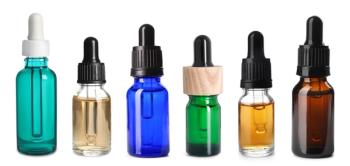
NH Governor Ayotte signs SB 524, protecting alcohol-based herbal tinctures from liquor regulation, starting in 2027.

As FDA continues reassessing synthetic preservatives like BHT, ingredient suppliers are positioning enzyme- and fermentate-based alternatives as replacements manufacturers can adopt ahead of anticipated regulatory shifts.

California Natural Color's showcase at this year's IFT event reflects a broader industry shift toward reformulating red-hued products, as synthetic dye alternatives face increasing regulatory pressure.

NPA's Daniel Fabricant, PhD, draws on his time as former director of FDA's Division of Dietary Supplement Programs to explain the agency's regulatory mindset, then lays out the association's near-term priorities.

The California Senate Judiciary Committee advanced AB 2030, which would restrict the sale of OTC diet pills and muscle-building supplements for individuals under 18 without a prescription.

SRI-81 Shatavari, produced by Ixoreal Biomed, and distributed in Canada by CK Nutraceuticals has earned a Natural Product Number from Health Canada, allowing brands that use the ingredient to utilize 5 approved health claims that include peri- and menopause support as well as sexual health claims.