

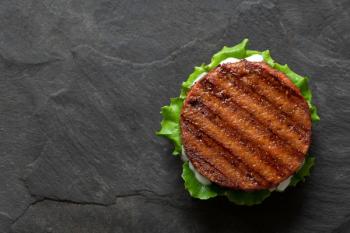
According to the company, this marks the first expanded use of shea stearin in new food categories since 1998.
According to the company, this marks the first expanded use of shea stearin in new food categories since 1998.

FDA has agreed that four ingredients in Arla Foods’ Peptigen and Lacprodan ranges meet the definition for peptones in the U.S. Code of Federal Regulations, therefore permitting it for use in early life nutrition.

TamaFlex has been registered as a Health Functional Food Ingredient (HFFI) by South Korea’s Ministry of Food and Drug Safety (MFDS).

A 2013 study published in BMC Medicine titled “DNA barcoding detects contamination and substitution in North American herbal products,” has been retracted by the publication’s editor.

Bioiberica (Barcelona, Spain) has announced self-determination of GRAS (generally recognized as safe) for its Collavant n2 native (undenatured) type II collagen at 40 mg/day.
FrieslandCampina Ingredients says it is one step closer to “final nutrition fortifier” from the Chinese Ministry of Agriculture and Rural Affairs (MARA) for its Lacto-N-Tetraose (LNT) ingredient.
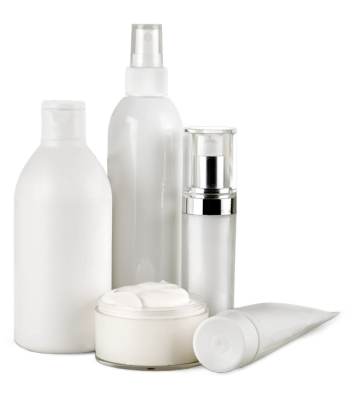
Safety substantiation requirements for finished cosmetic products to comply with The Modernization of Cosmetics Regulations Act (MoCRA).
ADM announced that its spore-forming probiotic DE111 (Bacillus subtilis) has received official approval from the Therapeutic Goods Administration (TGA), which is a part of the Australian Department of Health.

The authorization by the EU allows the use of ampli-D at a maximum daily dose of 10 µg in children over 11 years old and adults including pregnant and lactating women, and a maximum daily dose of 5 µg for children aged 3-10.

New York State's motion to dismiss CRN's lawsuit against the law banning the sale of weight management and muscle-building supplements to minors has been partially denied, allowing CRN to proceed with its First Amendment Claim.

According to Keraplast, independent tests show that its keratin products have trace nitrosamine levels of < 1 ppb, while the maximum allowed is 50 ppb.

The latest updates in the efforts of the Natural Products Association and the Council for Responsible Nutrition to sue New York state for its law banning the sale of weight management and muscle building supplements to minors.

ADM has announced that its spore-forming probiotic called DE111 has been approved by China’s National Health Commission.
The judge in CRN's lawsuit against NY state's law banning the sale of weight management and muscle building supplements to minors has denied its motion for a preliminary injunction, but determined that CRN has standing to sue on behalf of its members.

The first set of guidelines are for the formulation, labeling, and packaging of melatonin-containing supplements, and the second is relates to the labeling of gummy dietary supplements.

CRN's Steve Mister updates Nutritional Outlook about its ongoing litigation against NY State. The organization sued the state to prevent the enforcement of law that bans sale of weight management supplements to minors.

The U.S. Hemp Authority (USHA) has announced the launch of its Adult Use Hemp Product Certification Program in an effort to “reshape public policy around hemp, and to build confidence among retailers and consumers alike.”
Both NPA and CRN have filed lawsuits against the state to block to law, which is supposed to go into effect on April 22, 2024.

FDA has published a draft guidance on new dietary ingredient notification master files.

Nutritional Outlook caught up with Steve Mister, president and CEO of the Council for Responsible Nutrition at Natural Products Expo West to discuss FDA's FY25 Legislative Proposals related to dietary supplements.
Nutritional Outlook caught up with the president and CEO of the Council for Responsible Nutrition at Natural Products Expo West 2024, and he told us his takeaways from the final NDIN guidance.

Nutritional Outlook caught up with CRN's president and CEO Steve Mister at Expo West 2024 to learn more about the organization's lawsuit.

U.S. Senator Dick Durbin (D-IL) has sent a letter to four industry trade groups urging the association’s support in Congress’s efforts to modernize the Dietary Supplement Health and Education Act (DSHEA).
CRN is suing New York State for the passage of a law that prohibits the sale of dietary supplements marketed for weight management and muscle building to minors.
Without proper enforcement, the NDI notification process does not effectively safeguard consumers, nor does it incentivize manufacturers to invest the time and money to submit.
The U.S. Food and Drug Administration published a final guidance for industry titled “Dietary Supplements: New Dietary Ingredient Notification Procedures and Timeframes: Guidance for Industry.”

Foreign regulation and consumer sentiment may be pushing manufacturers away from titanium dioxide.
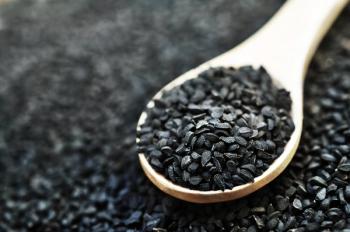
Ahead of Expo West 2024, TriNutra has announced a recent U.S. patent for the unique composition of its branded ingredients, ThymoQuin, B’utyQuin, and ThymoQuin-OCare.

According to Alkemist’s 2023 data, 47% of samples had levels of inorganic bromide above USP <561> limits.
This is an annual event in which industry stakeholders can meet with members of Congress and explain how public policies are impacting their businesses and consumers.