


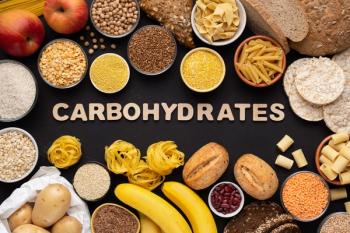
The research demonstrated an 85% misalignment between consumers and experts on carbohydrate healthfulness, highlighting key education gaps.
The research demonstrated an 85% misalignment between consumers and experts on carbohydrate healthfulness, highlighting key education gaps.

The independent, multidisciplinary Scientific Advisory Board aims to guide product development and labeling, research design, and innovation.

As spermidine research expands, an ingredient commercialized nearly 90 years ago is getting a second look from manufacturers seeking whole-food sources of the compound alongside protein and fiber.

Data on a fermentation-derived salidroside complex offers manufacturers a sustainably sourced alternative to Rhodiola rosea extract, a plant now facing supply pressure after its 2023 CITES listing.
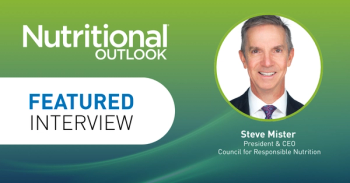
As a new lawsuit challenges FDA's food-only interpretation of authoritative health claims, Steve Mister, president and CEO of CRN, discusses its own First Amendment case over New York's age restrictions and how Sergeant Searchlight fits into serious policy advocacy.
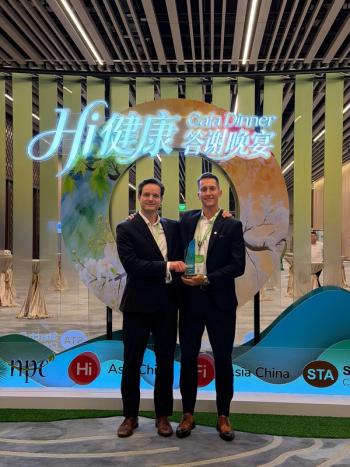
PharmaLinea highlights evolving opportunities as surging consumer demand and supply chain shifts open new export opportunities for manufacturers in China's market.

Nestlé USA completes its transition away from petroleum-based food dyes while expanding into targeted functional nutrition lines and emphasizing ingredient transparency.
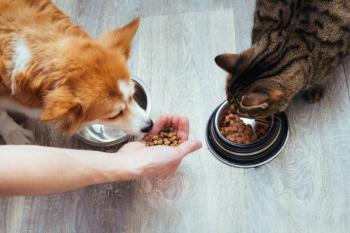
New ADM research spanning five countries shows pet owners are increasingly willing to pay for longevity-focused products, though what "longevity" means to them varies sharply by market.
The association’s president and CEO explains the strategy behind Sergeant Searchlight, and why voluntary product databases fall short of the mandatory registry the industry has pursued for 6 years.

HTBA launches the citrus-derived ingredient citrose, an upcycled high-intensity sweetener to address sugar reduction and GLP-1 sensory preferences.

Balchem will highlight how the MeatShure, INjoy, and VitalBlend systems addresses formulation challenges and showcase the new Milk Protein Z-Crisps.

The acquisition brings an established aromatherapy and essential oils brand into Country Life's portfolio, signaling continued consolidation among natural health and wellness companies.

From colonial-era herbal remedies to today's daily multivitamin, this reflection on America's 250th birthday traces how the impulse behind dietary supplements has been part of the nation's story from the very beginning.

Susan Kleiner, PhD, explains how evidence favors creatine monohydrate, while newer forms lack superior outcomes; major gaps remain in data for children, gummies, fertility, and pregnancy.
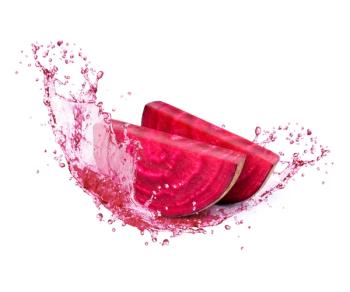
A new meta-analysis in Frontiers in Nutrition demonstrates beetroot juice improves maximal oxygen uptake, power output, and sprint performance.
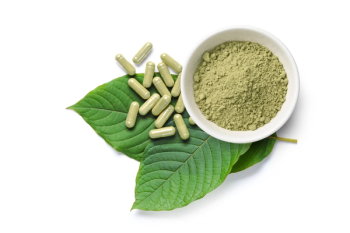
The scheduling does not apply to botanical kratom, but rather synthetically derived 7-hydroxymitragynine (7-OH), MP, MGM-15, and MGM-16, which the plant contains in small amounts.
Susan Kleiner, PhD, explains how creatine may support women through hormonal transitions, aiding mood, cognition, strength, and recovery.
Susan Kleiner, PhD, discusses gaps in creatine research for women, from menstrual cycle control to lower baseline stores and variable performance benefits.

A peer-reviewed pilot study on Exclzyme Pet reports improved mobility scores and lower inflammatory markers in arthritic dogs.

Virginia Dare will showcase functional prototypes with specialized taste improvement solutions for mushrooms, botanicals, and actives.

The SciComms Connect event addresses translating women’s research into compliant and substantiated dietary supplement claims.

A new analysis of 5 randomized controlled trials finds a split picture: some evidence of benefit when creatine is added to standard treatment, and 3 trials that found no effect.

Nutritional Outlook interviews Andrew Ross, DO, Rousselot's science liaison and writer, who makes the case that blending collagen peptides into existing formulas isn't just a cost play, it's a functional and nutritional upgrade.

UNPA, one of the architects of the Dietary Supplement Health and Education Act, will wind down operations at the end of 2026, prompting reflection across the industry on the regulatory framework it helped build.

Driven by retail sales and survey data, the report outlines five key market shifts—fiber expansion, proactive liver care, trademarked ingredients, formula transparency, and creative flavoring—offering development and positioning data.
The FDA’s 2026 Human Foods Program agenda highlights caffeine labeling, “healthy” claims, and facility registration topics for manufacturers.

A randomized controlled trial reports that a low-dose saffron extract improved mood, sleep-related impairment, and self-esteem scores in women aged 50 to 70, adding a multidimensional angle to a body of research that has focused largely on depressive symptoms alone.

Vitamin K2 has become a staple cofactor in bone and cardiovascular health formulations, but the differences between its 2 major commercial forms, MK-4 and MK-7, carry real implications for dosing, claims, and sourcing.
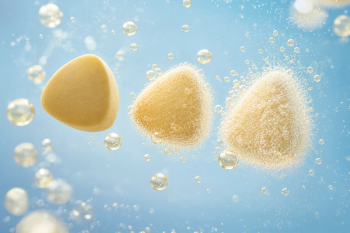
The newly launched portfolio features 10 dissolving tablet formulations for metabolic, cognitive, and micronutrient support.

At IFT First, Prinova will discuss insights on technical advancements in clear pea protein for ready-to-drink and ready-to-mix beverage manufacturers.