The randomized, double-blind placebo-controlled study found laboratory safety markers remained within normal ranges across treatment and placebo groups.
A new randomized, placebo-controlled trial examined the combined botanical's effects, finding support for hot flashes, sleep, mood, and hormone levels.
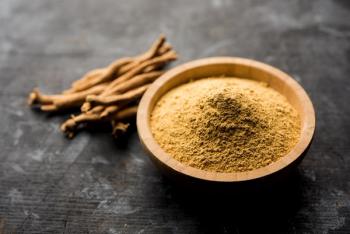
OmniActive Health Technologies announced it has entered the women's health category with the launch of Fenavari, a proprietary botanical ingredient intended to support women through perimenopause, menopause, and post-menopause.1 The ingredient combines standardized extracts of fenugreek (Trigonella foenum-graecum) and shatavari (Asparagus racemosus), produced through the company's proprietary Integrated Actives extraction technology and standardized to 6% shatavarin IV and 4% protodioscin by HPLC.
“This integration enhances their complementary phytoestrogenic and adaptogenic properties, allowing for a more comprehensive approach to wellness for women entering their midlife and beyond,” explains Abhijeet Morde, Vice President, Early Discovery & Translation Science, OmniActive. “We remain committed to advancing our clinical research program for Fenavari in order to further substantiate its scientific foundation.”
Fenavari is manufactured using green solvents and is formulated to be free of added estrogen, hormones, and soy. It is expected to be available to formulators later in 2026.
According to OmniActive, the launch responds to gaps the company identified in the existing menopause supplement category, including single-ingredient products that address only one symptom, limited clinical substantiation, delayed onset of benefits, and a lack of attention to perimenopause specifically.
In its own consumer research involving nearly 500 women aged 45 and older, OmniActive reported that 61% experienced hot flashes, 62% reported trouble sleeping, 57% experienced night sweats, and 51% experienced mood swings, with 63% turning to natural remedies or over-the-counter products for relief.
“Shatavari may be trending, but both shatavari and fenugreek have a long history of use in women’s health,” stated Keya Shah, Senior Director, Women’s Health Category, OmniActive. “Fenavari harnesses the power of both botanicals in one clinically studied, integrated extract, giving brands and doctors a natural solution for the full menopausal journey. In fact, we recently conducted a survey and found nine out of 10 healthcare professionals said they’d recommend Fenavari to their patients to help address symptoms associated with hormonal changes during menopause.”
OmniActive's claims for Fenavari are supported by a peer-reviewed study published in Women's Health Reports.2 The multicenter, randomized, double-blind, placebo-controlled, three-arm, parallel-group trial enrolled women aged 40 to 60 with menopausal symptoms (baseline Menopause Rating Scale [MRS] score of 12–32). Of 175 women screened, 150 were randomized 1:1:1 to Fenavari 300 mg, Fenavari 500 mg, or placebo once daily for 84 days; 138 completed the study (45, 46, and 47 in the placebo, 300 mg, and 500 mg groups, respectively). Outcomes were assessed using the MRS, Pittsburgh Sleep Quality Index (PSQI), Profile of Mood States (POMS), and Beck Anxiety Inventory (BAI), along with serum estradiol, progesterone, and follicle-stimulating hormone (FSH), at baseline and multiple follow-up visits through Day 84.
Both doses produced statistically significant reductions in total MRS score compared with placebo at every assessment from Day 14 through Day 84, with a consistent dose-response favoring 500 mg (300 mg: −8.26 points; 500 mg: −10.40 points; placebo: −4.09 points by Day 84; all P < .0001 versus placebo). Both doses also significantly reduced hot flash and night sweat scores, PSQI scores, POMS total mood disturbance, and BAI scores by Day 84, generally with earlier onset and larger effect sizes at 500 mg. Serum estradiol increased significantly with both doses relative to placebo by Day 84 (300 mg: +17.38 pg/mL; 500 mg: +21.56 pg/mL), accompanied by significant reductions in FSH (300 mg: −17.05 mIU/mL; 500 mg: −27.55 mIU/mL); progesterone changes were not statistically significant.
Nineteen adverse events were reported across 16 of 150 randomized participants (11%), most commonly viral fever; all were mild, judged unrelated to treatment, and resolved by study completion, with no serious adverse events or study withdrawals due to adverse events. The authors concluded that Fenavari improved menopausal symptoms across somatic, psychological, and vasomotor domains with a favorable hormonal and safety profile, while noting the 84-day duration and outpatient setting as study limitations.
For supplement manufacturers evaluating menopause-support ingredients, Fenavari combines two botanicals with long individual histories of traditional use, now paired with a dedicated randomized controlled trial rather than reliance on data for either botanical alone.
References