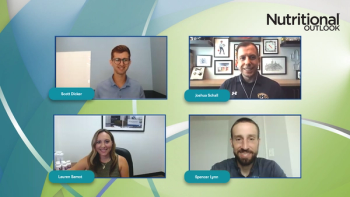
A transcript of their conversation can be found below.
Nicholas Saraceno: You're working with a ton of brands, brands trying to get new products out and develop these products to the masses. Going to market obviously is a tedious and very difficult process, so what have you been noticing as a typical or maybe like a common oversight or misstep that companies are making when they're trying? Of course, they're trying to translate this formulation that's proven by science, but what have they been making mistake wise when it comes to translating that into a story that's going to resonate with consumers?
Spencer Lynn: I think one place that companies can kind of get into trouble is just trying to move too fast, trying to do too much, too quick. Everybody wants that Walmart PO or that Costco PO for sure. I mean, who wouldn't want to be on the shelves at some of the biggest retailers in the world? You’ve y got to be ready for that first for a lot of different reasons. There are so many logistical hurdles, even just R&D hurdles that go into having the ability to fulfill POs that big.
I think brands, companies, anybody out there, you need to crawl before you walk, walk before you run, run before you sprint. I think just trying to move too fast and do too much, too quick, has gotten a lot of companies in trouble. I mean, even at places that aren't quite as big as Walmart or Costco, people trying to get in GNC and the Vitamin Shoppe too quickly—that can be a detriment to the overall business.
I think building your loyal consumer following maybe first, just digitally, if you have to start digitally native building a very loyal following before you try to cram your way into every possible retailer out there, that's definitely something that a lot of companies make a mistake on.
Saraceno: Now this is where it gets interesting. We've been talking about the functional beverage space and the competition behind it. You’ve got energy drinks, hydration. No doubt, it's crowded. There's a lot of competition here. Given your vantage point when it comes to advising brands on the formulation aspects and the marketing aspects, what kind of qualities do you think are separating the products that are building that consumer loyalty that we've been talking about today, versus like the ones that, you know, see that spike and then fade? What kind of qualities do you think are needed to help these brands kind of last and kind of push through those challenges that that we've been talking about today?
Lynn: I like that question a lot. The first thing I come to, and no credit to me, but it goes to say authenticity. That’s how brands do that is authenticity. You see it in a brand like GHOST versus, we were talking about him before we started recording, Lionel Messi. Messi just had that beverage launch and it, I don't think it really stuck.
I don't really think it worked out too well for him with Más, because it seems like a lot of times when these huge celebrities get behind brand launches and try to launch their own product, we know, most of the time, the celebrity isn't really involved a whole lot with it. It's not authentic. They're kind of just slapping their name on it. And I'm not saying they're not Messi. There's been plenty of other celebrities out there that have tried to launch a product like this, too, but there's just no authenticity behind it.
They're literally just slapping their name and their celebrity on the product and kind of pushing it aside as they go film their next movie or play in their next World Cup, or do whatever they're actually doing. A lot of times, I think more often than not, those celebrity-launched products end up failing because there's no real authenticity behind them. It feels kind of hollow for the consumer. It'll launch with a bunch of hype and it'll be in every retailer right off the rip, but there's no actual following there. Nobody really knows. Yes, they know the celebrity, but they don't really know that beverages associated with the celebrity, or they don't really think that the celebrity even has any involvement in it, which most of the time they don't.
That’s where I would draw the line there is that there's no real authenticity behind those big celebrity launches. And then the brands that do really well and stick around for a long time, they have a very authentic following. GHOST is a great example of that. Those guys built that from scratch. You think of way, way back in the early days of Red Bull. Their authenticity was through like action sports, like snowboarding and motocross and stock car racing.
Kind of the same with Monster. Just, action sports. They were authentic to that brand before they blew up. They didn't start with the biggest name in motocross at the time. They started just a bunch of scrappy guys, that were authentic to that brand and lived that lifestyle themselves and built it over a long time. Authenticity is definitely what allows brands to make an impact that lasts in the market.
Saraceno: That's interesting. I feel like there are brands trying to go from 0 to 100 and do it backwards without having some sort of like grassroots it sounds like.They need some sort of origin story to really like power it.
Lynn: Don't get me wrong, there definitely can be celebrity-launched products out there that can stick. But in my opinion, the celebrity has to be involved. They have to make it a part of their identity, not just, oh, I put my name on this and now I'm, you know, training for the next NFL season. I don't even care how the energy drink does.
I know Conor McGregor just launched another one with MAC Energy. Maybe it'll work, maybe it won't. I mean, we've seen him bounce around from some other energy drinks in the past that didn't really seem to stick for whatever reason, but I'm trying to think of an example off the top of my head.
The Kardashians do a good job of it. My wife watches the Kardashians, and every once in a while, I'll sit down and watch an episode with her. They have their products on the show with them. They're drinking it, they're talking about it. They do a good job of at least making it seem like they're actually really involved in it. A lot of other celebrities, you never see them post about it on their social media. You never see them in it with, pictures in a press conference. You never see them holding the can, but the Kardashians do a pretty good job of it, and I think that's why they're one of the more successful celebrity packaged goods people out there.