
A new gummy portfolio from ingredient and delivery-format supplier SIRIO Europe illustrates how quickly creatine is being repositioned for general wellness consumers.
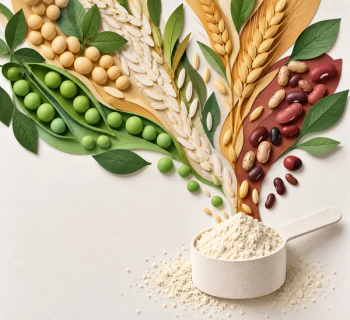
Faba bean, lentil, pumpkin seed, duckweed, garbanzo bean, and more are now hoping to nab a spot on the list of next-generation plant proteins.
Hemp, pea, and rice burst onto the plant protein scene as hot new alternatives to soy, but that hasn’t stopped formulators from asking, “What’s next?” Faba bean, lentil, pumpkin seed, duckweed, garbanzo bean, and more are now hoping to nab a spot on the list of next-generation plant proteins.
“Pea, rice, and soy proteins have been the dominating plant-based proteins in the market, but as those ingredients reach saturation, we will see the rise of lesser known plant-based proteins as finished-product manufacturers look to differentiate their products,” says Rikka Cornelia, product manager, BI Nutraceuticals (Long Beach, CA).
Beyond their novelty, these up-and-coming proteins may be a better fit for specific formulation needs. For instance, BI’s pumpkin seed protein has a “favorable roasted aroma,” says Cornelia, which may work especially well in chocolate applications.
Keep an eye out for
Many of these up-and-coming plant proteins also have an appealing story to tell in terms of sustainability. Take Lentein lentil protein, manufactured by Abu Dhabi-based supplier Parabel. The ingredient earned an Innovation Award last year for its low environmental impact at the Institute of Food Technologists’ Annual Meeting & Food Expo (IFT). Thanks to Lentein’s aquafarming process, 98% of water used for its production can be recycled, says Parabel.
Mankai, a high-protein strain of duckweed (Lemnaceae) from Hinoman (Tel Aviv, Israel), is also tapping into eco-friendliness with a
Blending different plant proteins is another growing trend, likely driven by consumer interest in multi-source formulations, suggests Chris Schmidt, senior consumer health analyst, Euromonitor. Demand for well-rounded nutrition could lead away from a focus on products marketed strictly for protein content and toward a more inclusive and holistic approach, he adds.
“We expect to see the shift in marketing from ‘protein product’ to ‘total nutrition products,’ with added vitamins and minerals and other nutrients like fiber or omega fatty acids,” Schmidt says. “Especially as more average consumers, or non-athletes, flock to the category, the products will need to become more multifunctional.”
READ NEXT
Read more:
Michael Crane
Associate Editor
Nutritional Outlook Magazine
over 10 years ago
Probiotic Firms Venture Further Into the Allergy Marketover 10 years ago
Healthy Snack Trends: Bean Chips, Bars, Protein, Seaweed, and Moreover 10 years ago
The Price of Dietary Supplement Contract Manufacturingover 10 years ago
What Does Contract Manufacturing Dietary Supplements Cost?over 10 years ago
Energy Shot Sales Are Slumping. Do Energy Shots Still Have a Chance?over 10 years ago
Which Flavors Are Trending in Energy Drinks?over 10 years ago
Energy Drink Makers Turn to Natural Botanical Ingredients