

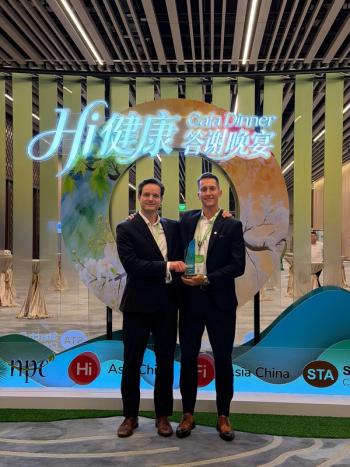
PharmaLinea highlights evolving opportunities as surging consumer demand and supply chain shifts open new export opportunities for manufacturers in China's market.
Associate Editor for Nutritional Outlook.
PharmaLinea highlights evolving opportunities as surging consumer demand and supply chain shifts open new export opportunities for manufacturers in China's market.

Nestlé USA completes its transition away from petroleum-based food dyes while expanding into targeted functional nutrition lines and emphasizing ingredient transparency.

HTBA launches the citrus-derived ingredient citrose, an upcycled high-intensity sweetener to address sugar reduction and GLP-1 sensory preferences.

Balchem will highlight how the MeatShure, INjoy, and VitalBlend systems addresses formulation challenges and showcase the new Milk Protein Z-Crisps.
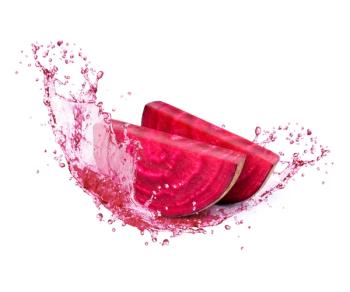
A new meta-analysis in Frontiers in Nutrition demonstrates beetroot juice improves maximal oxygen uptake, power output, and sprint performance.

Virginia Dare will showcase functional prototypes with specialized taste improvement solutions for mushrooms, botanicals, and actives.

The SciComms Connect event addresses translating women’s research into compliant and substantiated dietary supplement claims.

Driven by retail sales and survey data, the report outlines five key market shifts—fiber expansion, proactive liver care, trademarked ingredients, formula transparency, and creative flavoring—offering development and positioning data.

The FDA’s 2026 Human Foods Program agenda highlights caffeine labeling, “healthy” claims, and facility registration topics for manufacturers.
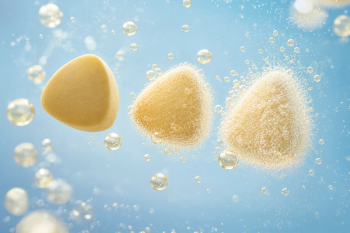
The newly launched portfolio features 10 dissolving tablet formulations for metabolic, cognitive, and micronutrient support.

At IFT First, Prinova will discuss insights on technical advancements in clear pea protein for ready-to-drink and ready-to-mix beverage manufacturers.

RFI Ingredients utilizes proprietary DL/SE extraction technology to overcome formulation and sensory challenges in functional beverages.

Prosur will demonstrate how manufacturers can transition away from synthetic additives using natural solutions.
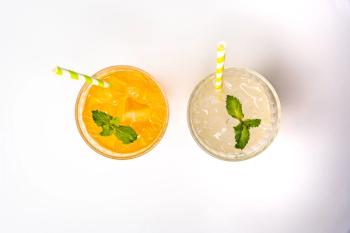
Barrington Nutritionals leverages stevia options, functional fibers, and bioavailable minerals to solve formulation and clean-label challenges.

A double-blind, controlled trial showed HMB paired with whey protein prolongs muscle protein breakdown suppression in older adults.

Alkemist Labs names Mo Lababidi to lead botanical identity testing amid continued focus on supplement quality compliance.

PLT Health Solutions addresses sensory and processing challenges in functional beverages with its clinical ingredient portfolio, highlighting four health categories.

At IFT FIRST 2026, Nextin Research will provide exclusive consumer insights and ingredient trends to attendees.

AuraBC is a beta-carotene food color delivering stable, yellow-to-orange shades for gummies and liquids.

The company expands its commercial development team, aiming to strengthen partnerships in the US.

Former Nestlé Health Science U.S. CEO Abigail Buckwalter aims to bridge consumer shifts for taste and nutrition as new CEO of Ocean Spray.

A clinical study demonstrates that combining caffeine and L-theanine can fail to boost athletic performance and may hinder physical power.
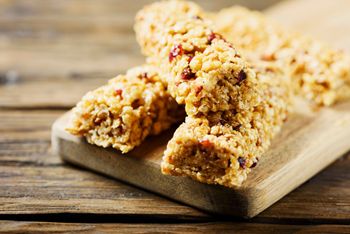
New study data demonstrates how wild seeds and non-thermal cold plasma can optimize nutrient density and shelf life in gluten-free product development.

Presented at Bridge2Food Europe, Amano Enzyme’s ProBoost Neutra triples pea protein solubility and reduces off-notes.

At IFT First, Nuritas will showcase its plant-derived functional peptide ingredients in frozen yogurt, beverages, and functional snacks.

At The Outlook on Women’s Wellness, Jennifer Greer, ND, Med, explained how functional botanicals address sleep, mood, and metabolism for menopausal transition phases.

In the 12-week trial, L. plantarum KABP051 decreased waist circumference and modulated gut microbiota in overweight adults.

At The Outlook on Women’s Wellness, Stacey Smith, DC, discussed formulating women's supplements using the gut-vaginal axis, community state types, and resilient yeast-based probiotics.
In the keynote presentation for The Outlook on Women’s Wellness, Amanda Frick, ND, LAc shared strategies for supplement brands to address clinical gaps in menopause support.
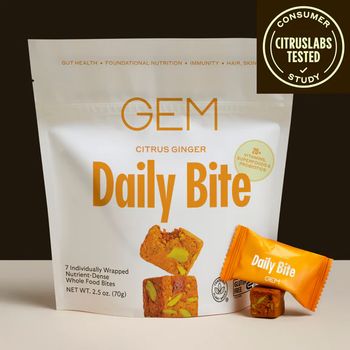
GEM Health introduces GEM Daily Bite at Sprouts Farmers Markets, leveraging PLT’s Earthlight Whole Food Vitamin D.