



Susan Kleiner, PhD, explains how creatine may support women through hormonal transitions, aiding mood, cognition, strength, and recovery.
Susan Kleiner, PhD, discusses gaps in creatine research for women, from menstrual cycle control to lower baseline stores and variable performance benefits.

A peer-reviewed pilot study on Exclzyme Pet reports improved mobility scores and lower inflammatory markers in arthritic dogs.

Virginia Dare will showcase functional prototypes with specialized taste improvement solutions for mushrooms, botanicals, and actives.

The SciComms Connect event addresses translating women’s research into compliant and substantiated dietary supplement claims.

A new analysis of 5 randomized controlled trials finds a split picture: some evidence of benefit when creatine is added to standard treatment, and 3 trials that found no effect.

Nutritional Outlook interviews Andrew Ross, DO, Rousselot's science liaison and writer, who makes the case that blending collagen peptides into existing formulas isn't just a cost play, it's a functional and nutritional upgrade.

UNPA, one of the architects of the Dietary Supplement Health and Education Act, will wind down operations at the end of 2026, prompting reflection across the industry on the regulatory framework it helped build.

Driven by retail sales and survey data, the report outlines five key market shifts—fiber expansion, proactive liver care, trademarked ingredients, formula transparency, and creative flavoring—offering development and positioning data.

The FDA’s 2026 Human Foods Program agenda highlights caffeine labeling, “healthy” claims, and facility registration topics for manufacturers.

A randomized controlled trial reports that a low-dose saffron extract improved mood, sleep-related impairment, and self-esteem scores in women aged 50 to 70, adding a multidimensional angle to a body of research that has focused largely on depressive symptoms alone.

Vitamin K2 has become a staple cofactor in bone and cardiovascular health formulations, but the differences between its 2 major commercial forms, MK-4 and MK-7, carry real implications for dosing, claims, and sourcing.
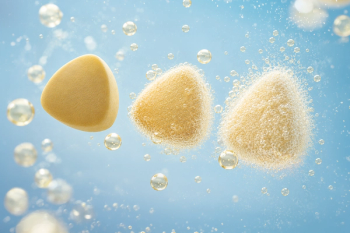
The newly launched portfolio features 10 dissolving tablet formulations for metabolic, cognitive, and micronutrient support.

At IFT First, Prinova will discuss insights on technical advancements in clear pea protein for ready-to-drink and ready-to-mix beverage manufacturers.

A new crossover trial finds that a whole-food Chardonnay grape matrix outperformed a concentrated seed extract on one marker of cardiometabolic health.

With GLP-1 medications creating an entirely new supplement category almost overnight, a look at the science, the claims, and where the evidence actually stands.

RFI Ingredients utilizes proprietary DL/SE extraction technology to overcome formulation and sensory challenges in functional beverages.

Prosur will demonstrate how manufacturers can transition away from synthetic additives using natural solutions.

At The Outlook on Women's Wellness, Ayla Barmmer explained how ovarian health was about so much more than fertility and menopause, and is actually connected to women's overall health, and longevity.

In the third episode, Nicholas Saraceno discusses why male hair thinning is increasingly being understood as a multifactorial, systemic health issue rather than a purely cosmetic one, and what that shift means for how the supplement industry formulates and substantiates products for men.

Maypro's new distribution partnership with Asahi Group Foods brings a clinically studied milk peptide to North American formulators targeting the cognitive health category.

Harry Rice breaks down GOED's comments to FDA on safety-based ingredient standards, and explains what recent headline-grabbing studies on omega-3s and cognitive health actually do and don't tell us.

Barrington Nutritionals leverages stevia options, functional fibers, and bioavailable minerals to solve formulation and clean-label challenges.

A double-blind, controlled trial showed HMB paired with whey protein prolongs muscle protein breakdown suppression in older adults.

A 2024 UK regulatory determination on the novel food status of monk fruit decoctions has added momentum to a less-refined ingredient format that formulators are positioning as a clean-label alternative to high-purity mogroside extracts.
From El Niño disruptions to the Peruvian anchovy fishery to a forthcoming expert panel recommendation on EPA and DHA, GOED's Harry Rice breaks down what's shaping the omega-3 category in 2026.

Alkemist Labs names Mo Lababidi to lead botanical identity testing amid continued focus on supplement quality compliance.

PLT Health Solutions addresses sensory and processing challenges in functional beverages with its clinical ingredient portfolio, highlighting four health categories.

The dual regulatory clearance gives formulators authorized claims language in two jurisdictions for an ingredient already supported by published randomized controlled trial data on sleep quality and cortisol reduction.
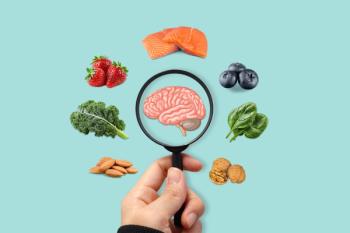
Nutrition directly impacts cognitive health, which means that dietary recommendations have the potential to support cognitive health outcomes. This Op-Ed explores the existing research that connects diets and specific nutrients with cognitive health, and what we still need to learn to develop comprehensive recommendations that support long-term cognitive health outcomes.