

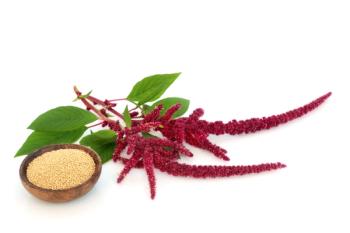
Fun Fact! The leaves and seeds of certain species of the amaranth plant are good sources of fiber, calcium, and iron. Click to learn more.
Fun Fact! The leaves and seeds of certain species of the amaranth plant are good sources of fiber, calcium, and iron. Click to learn more.
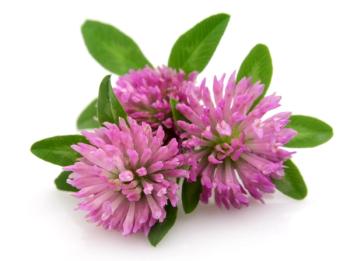
Fun Fact! Red clover contains isoflavones, which are structurally similar to estrogen. Click to learn more.
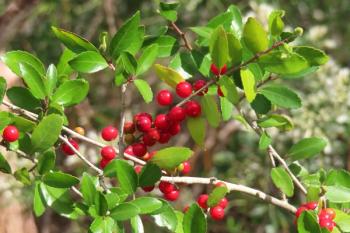
Fun fact! The evergreen shrub yaupon is the only plant native to North America that contains caffeine. Click to learn more.
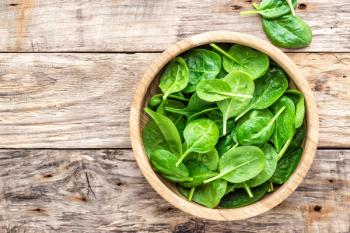
Fun fact! One cup of raw spinach contains 0.7 g of protein. Click to learn more.
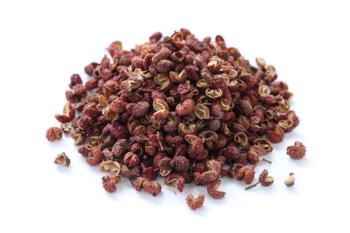
Fun Fact! Sichuan peppers aren’t related to black pepper or chili peppers. Click to learn more.
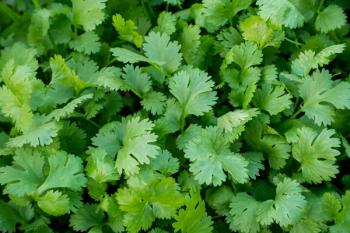
Fun fact! Because of a genetic variation, some people perceive cilantro as tasting soapy. Click to learn more.
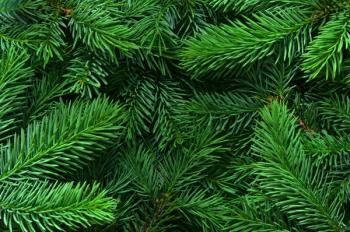
Pine needle tea has been proven to cure scurvy due to its vitamin C content. Click to learn more!
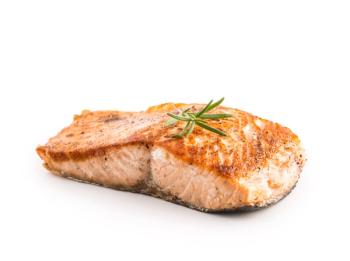
Fun fact! Three ounces of cooked wild coho salmon contains 23 grams of protein. Click to learn more.
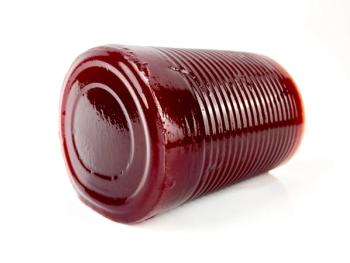
Fun fact! Americans consume five million gallons of cranberry sauce during the Thanksgiving holiday each year.

Fun fact! A single yam can deliver 369% of the daily value of vitamin A.
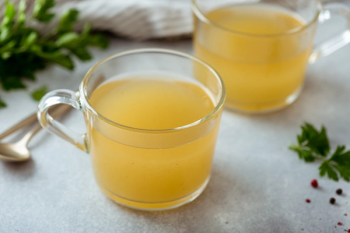
Fun fact! Bone broth is also high in collagen to potentially support your skin, bones, and joints, while the amino acids in bone broth may help reduce inflammation. Click to learn more.

Fun fact! Cabbage is a great source of vitamins C and K. Click to read more!

Fun fact! You can use rice water to water plants. Click to learn more!

Fun fact! Butternut squash contains an unknown irritant that for some people may cause dryness and itchiness on their palms when processing the vegetable.
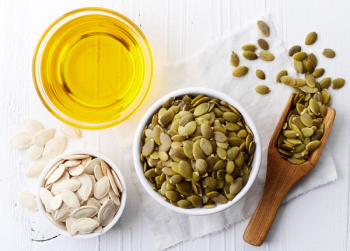
Fun fact! Pumpkin seed oil is a good source of essential fatty acids such as the polyunsaturated fatty acids omega-3, 6, and 9, carotenes, lutein, vitamins such as carotenoids, and trace elements such as zinc and selenium.
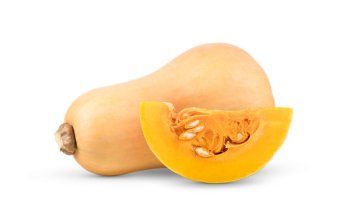
Fun fact! Butternut squash is rich in carotenoids, such as beta-carotene, which give the squash its vibrant color. Click to read more!
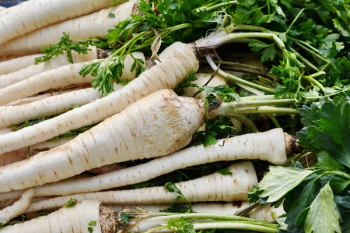
Fun fact! Parsnips become sweeter after the first winter frost. Click to read more.

Fun fact! Spelt is a popular crop for organic farmers because it does not require as much fertilizer as other types of wheat.
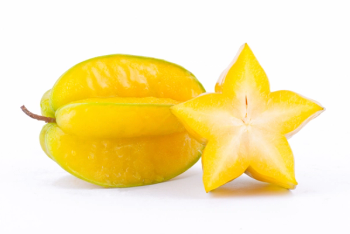
Fun fact! Star fruit is a good source of vitamin C, vitamin A, phosphorous, and potassium.

Fun Fact! Wild rice is not true rice, but is in fact a seed of an aquatic grass that grows in North American wetlands. Click to read more.

Fun fact! Because sourdough bread is the product of natural fermentation, it slows down starch digestion, which leads to a lower glycemic response. Click to read more.
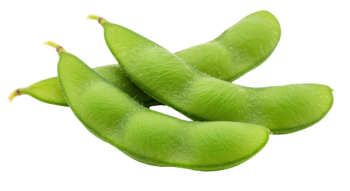
Fun fact! The word edamame is an Americanization of the Japanese term for green soybeans that translates to “beans on branches.”
Fun fact! The U.S. produces 20 billion pounds of rice annually.

Fun Fact! Arriving in North America in the 18th century, the drink called switchel contains polyphenols and can potentially support cardiovascular and digestive health.
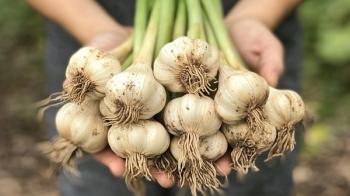
Fun Fact! Garlic scapes are a long, green, curled shoot that grows from the base of the hardneck garlic plant. Click to learn more.

Fun fact! Despite its name, elephant garlic is not a variation garlic, it’s actually a member of the leek family. Click to read more!

Fun fact! Citral, the main constituent of lemongrass, is what gives the plant its lemony smell, but citral is also a powerful cleansing antiseptic distilled from the stems of lemongrass to use in soaps, perfume, and cleaning agents.

Fun fact! The white inner part of the lemon peel, called the mesocarp or albedo, is a chief source of commercial grades of pectin.

Fun fact! Pears are a good source of fiber, providing about 5.5-6 grams of fiber per serving (one medium-sized pear).

Fun fact! Matcha is a type of green tea that is grown in the shade, which has the effect of boosting phytochemicals and antioxidants.