


Fun fact! Because there are no registered herbicides for buckwheat in the United States, growers must rely on sensible field selection, pre-plant weed control, and a uniform, dense crop canopy to shade out weeds from the late season rain.
Fun fact! Because there are no registered herbicides for buckwheat in the United States, growers must rely on sensible field selection, pre-plant weed control, and a uniform, dense crop canopy to shade out weeds from the late season rain.
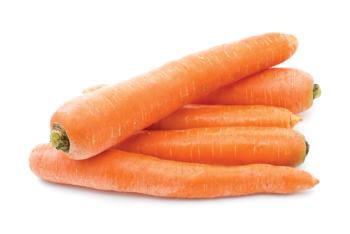
Fun fact! Carrots are a member of the Apiaceae family of plants, which includes celery, anise, dill, and cilantro.
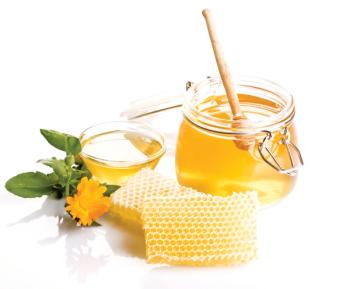
Fun fact! Honey collected from bees feeding off buckwheat has been found to contain levels of antioxidants such as vitamin C and E that is 20 times higher than that of other honey tested.
Fun fact! Buckwheat is highly nutritious, with 74% of its protein being available to the human body, making it one of the best sources of plant-based protein. It also contains eight essential amino acids, vitamin E, and nearly the entire vitamin B complex spectrum.

Fun fact! Sunflowers have deep root systems. Therefore, during crop rotation, a fallow period is typically recommended following sunflowers as to replenish depleted soil water reserves.

Fun fact! In a 2-ounce serving, pistachios contain 12 g of protein which is more than a similar-sized serving of halibut, 6 g of fiber which is three times more than a similar-size serving of broccoli, and 570 mg of potassium which is greater than one large banana.
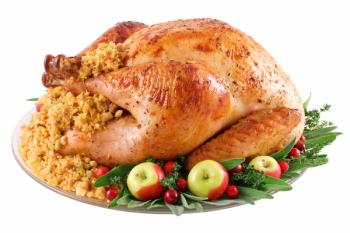
Fun fact! The United States is the second largest consumer of turkey, behind Israel.
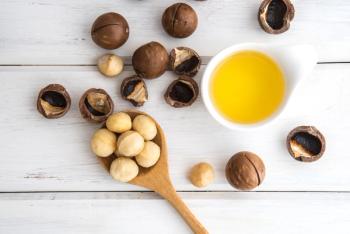
Fun fact! While the kernel and oil of macadamia nuts are the main products, macadamia shells have a number of uses as well, such as mulch, fuel (think charcoal), as a planting medium for anthurium cultures, for plastic manufacture, as well as a substitute for sand in sandblasting.

Fun Fact! The pawpaw tree produces the largest edible fruit native to North America.
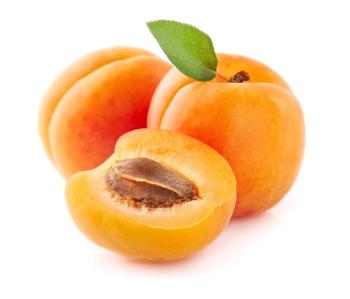
Fun fact! Because plums and apricots are so genetically similar, they can be hybridized to make pluots (75% plum, 25% apricot), plumcots (50% plum, 50% apricot), and apriums (75% apricot, 25% plum).

Fun fact! Pumpkins are considered to be “giant” when they exceed 25 pounds. However, giant pumpkins can get as big as 1000 pounds.
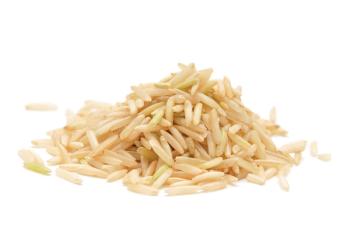
Fun fact! There are three types of rice: short-grain, medium-grain, and long-grain. Long-grain rice is predominantly used in processed foods such as packaged mixes. Medium-grain rice can be found in breakfast cereals and other processed foods such as casseroles and stir-fry recipes. Short-grain rice is ideal for pudding and other desserts. Short- and medium-grain japonica rice is well known for its use in Japanese and Korean cuisine, including sushi.
Fun fact! Spanish missionaries are credited with introducing the apricot to California, which is now the leading producer of apricots domestically.

Fun fact! The United States grows about 200 unique varieties of apples. The top ten varieties are Red Delicious, Gala, Granny Smith, Fuji, Golden Delicious, Honey Crisp, McIntosh, Rome, Cripps, Pink/Pink Lady and Empire.
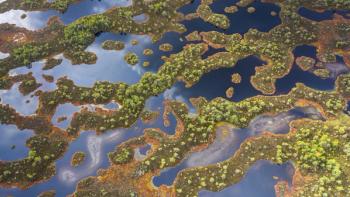
Fun fact! Peatlands, which are home to orangutans, tigers, and other endangered species contain about 1/3 of the world’s soil carbon, and regulate water flow, reducing flooding, droughts, and seawater intrusion.

Fun fact! Pulses are highly water efficient compared to other protein sources. For example, 1 kg of lentils requires 1,250 liters of water, while 1 kg of chicken require 4,325 liters, 1 kg of mutton requires 5,520 liters, and 1 kg of beef requires 13,000 liters of water.
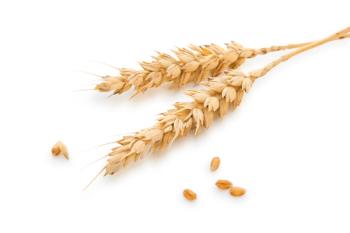
Fun fact! Wheat is the largest primary commodity with an approximate global production of 700 million tons. In fact, wheat provides 19% of our total available calories.
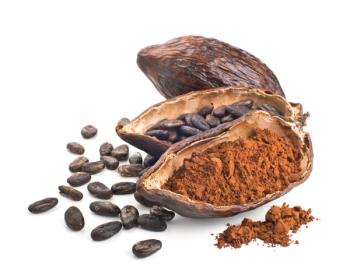
Fun fact! Worldwide, 4.6 million tons of cocoa beans are produced. The largest producer of cocoa is Côte d'Ivoire, with 32% of world’s production at 1.3 million tons.
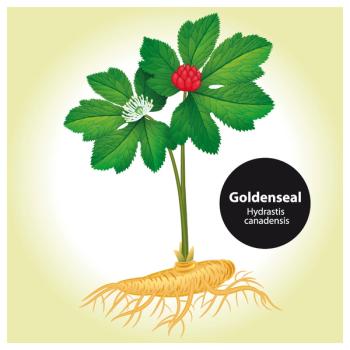
Fun fact! Goldenseal has an approximate “biodiversity-friendly” score of 17. It greatly contributes to biodiversity because it requires little fertilizer or pesticides, contributes to the protection of wild species, has high value per hectare with relatively low hectarage requirements, can be grown in rotation reducing need for agrichemicals, and its flowers produce food for pollinators.

Fun fact! The well-known variety of watermelon, called Charleston gray, was first bred, and released to the public in 1954 by Charles Fredric Andrus, a horticulturist at the USDA/ Agricultural Research Service Vegetable Breeding Laboratory. The variety was important because it is resistant to several major diseases of watermelon, produces high yields in multiple geographic regions, and handles long-distance shipping well.

Fun fact! During the first World War, the USDA found that sweet potato flour can be used to replace 1/4th of the wheat flour in a loaf of bread to conserve wheat flour.
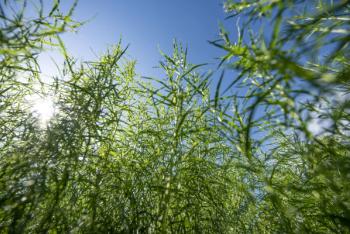
Fun fact! Found in dry open place, tarragon is a fire-adapted species that is top-killed by low-intensity fire but can reestablish quickly from surviving rhizomes.

Fun fact! Flax is one of the oldest cultivated crops. Primarily grown for use in linens, there are burial chambers dating back to about 3000 BC that depict flax cultivation and contained clothing made from flax fibers

Fun fact! Celery is a member of the parsley family.

Fun fact! Aside from the fruit, other edible parts of blackberry brambles include the leaves which can be made into a tea and the canes, which when peeled, can be eaten raw or cooked.

Fun fact! Some varieties of avocado, such as Hass, tend to only bear well in alternate years. Following a season of low yield, due to factors such as cold, the trees produce more abundantly the next season. Avocado is also a heavy crop that depletes stored carbohydrates, resulting in a reduced yield the following year, establishing an alternate bearing pattern.
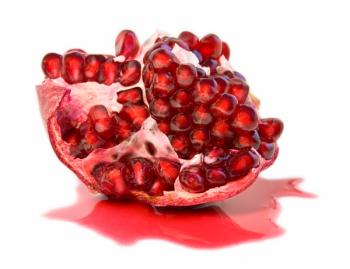
Fun fact! During harvest, pomegranate fruit are clipped off as close to the base as possible, leaving no stem on the fruit. This is because the stem could damage other pomegranates during shipping, ruining their aesthetic value for use in arrangements during the fall and winter seasons.

Fun fact! Production of olives in California was originally intended for oil, but when the market for olive oil became too abundant and prices dropped, other sources of revenue were needed. By the early 1900’s, advances in canning technology created an opportunity for higher returns and many producers began producing olives for canning.

Fun fact! The flowers of almond trees can be eaten and used as garnish.

Fun fact! Pine nut oil is used in a number of applications outside of food, such as cosmetics, beauty products, and high end massage oils. It is even used as a wood finish, paint base for paintings, and treatment of fine skins in leather industry.