


Fun Fact! A mulberry species’ name does not necessarily indicate its color. White mulberries (Morus alba), for instance, can be white, lavender, or black. Red mulberry (Morus rubra) colors can range from red to black.
Fun Fact! A mulberry species’ name does not necessarily indicate its color. White mulberries (Morus alba), for instance, can be white, lavender, or black. Red mulberry (Morus rubra) colors can range from red to black.
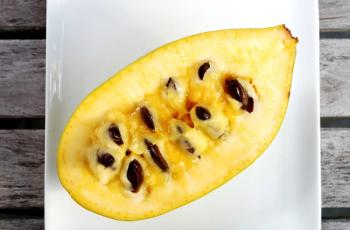
Fun Fact! Pawpaw (Asimina triloba) is a fruit said to have the flavor of banana, mango, and pineapple.

Fun Fact! Cooked spinach provides a higher amount of vitamin A and iron than raw spinach.

Fun Fact! During World War II, when Great Britain was unable to import citrus, citizens were encouraged to gather rose hips from the Dog Rose plant (Rosa canina L.) as a source of vitamin C.

Fun Fact! During colonial times, George Washington grew sweet potatoes on his Virginia Farm. He even developed more than 100 different products made from sweet potatoes, including an alternative to corn syrup.

Fun Fact! Rye is a hardy crop that can survive harsh winters, sandy soils with low fertility, and drought conditions. Rye also requires an estimated 30% less water than wheat.
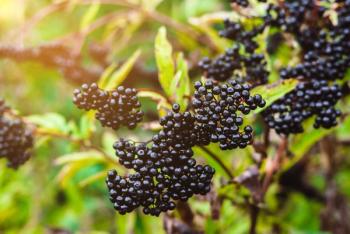
Fun Fact! If you’re foraging for elderberries, don’t ignore the flowers. The flower clusters can be dipped in batter and fried, though the petals are perfectly safe to eat raw. One can even use the petals to make a tea.

Fun Fact! Ice cream was introduced to the U.S. in 1744, when it was served by Maryland Governor Thomas Bladen to his dinner guests.
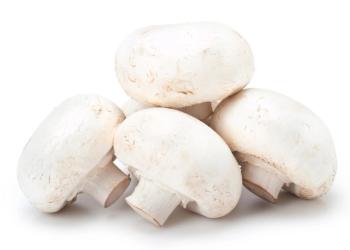
Fun Fact! The mild-flavored and versatile white button mushroom represents about 90% of mushrooms consumed in the United States.http://www.nutritionaloutlook.com/fun-facts/ice-creams-debut

Fun Fact! July 21 is National Ice Cream Day! Did you know that Neapolitan ice cream colors were traditionally brown (chocolate), vanilla (white), and green (pistachio) to honor the Italian flag? Today, the common flavors are chocolate, vanilla, and strawberry.

Fun Fact! Maitake mushrooms, also known as hen of the woods, are a rich source of vitamin D. For example, a 3-oz serving can provide up to 955 IU of vitamin D. The recommended daily amount for vitamin D is 600 IU for people between the ages of 1 and 70 years and 800 IU for those over 70 years of age.
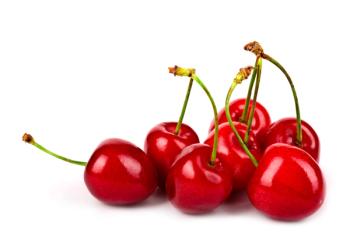
Fun fact! Cherries are a natural source of melatonin, making them a natural sleep aid. One pilot study saw that participants over 50 years of age suffering from insomnia experienced an average of 84 minutes of increased sleep time after drinking 240 ml of tart cherry juice twice daily for two weeks.

Fun Fact! To reduce waste when cooking with shiitake mushrooms, use the stems to add flavor to soups or stocks.

Fun Fact! The milk protein casein is used to create casein paint, a fast-drying, water-soluble medium that artists use.
Fun Fact! Sweet potatoes are not related to potatoes but in fact belong to the morning glory family (Convolvulaceae). By contrast, potatoes are members of the Solanaceae family alongside tomatoes, red peppers, and eggplant. Sweet potatoes are tuberous roots, while potatoes are actually swollen stems.

Fun Fact! There are fewer than 1000 onion farmers in the U.S.

Fun Fact! Chickpeas, or garbanzo beans, are most commonly tan or beige, but also come in yellow, red, dark green, and brown.

Fun Fact: Lettuce was considered a weed before ancient Egyptians turned it into a food plant.

Fun Fact: In the late 1700s, many Europeans feared tomatoes, believing that they were poisonous (which obviously is not true). The fact is that many European aristocrats died from eating tomatoes off of pewter plates. These plates were high in lead content and responsible for deaths from lead poisoning.

Fun Fact: The darker a carrot’s color is, the more beta-carotene it contains.
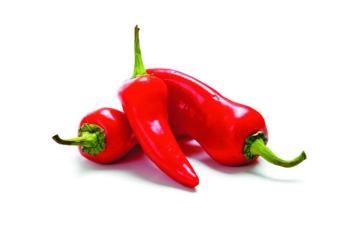
Fun Fact: Peppers come in two general varieties: sweet (mild) and chili (hot). The most common sweet pepper is the bell pepper.

Fun Fact: Strawberries and raspberries are technically not berries. Unlike true berries that stem from one flower with one ovary, strawberries and raspberries come from a single flower with more than one ovary.
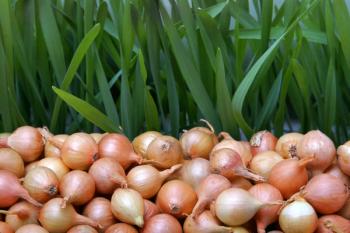
People once believed that the thickness of an onion’s skin could predict the severity of the winter to come. A thick skin predicted a rough winter, while thin skin meant milder weather.
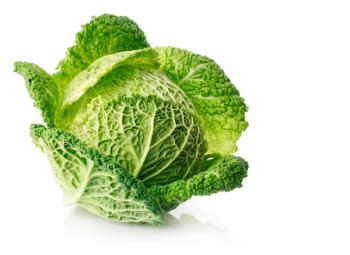
There are more than 100 types of cabbage grown worldwide. In the United States, the most common types of cabbage are green, red, and Savoy cabbage, while the most common types of Chinese cabbage are Bok Choy and Napa cabbage.

There are more than 50 varieties of grapes.
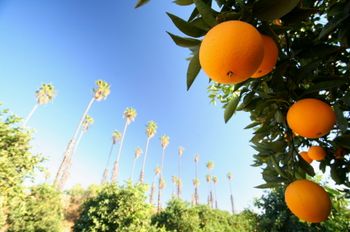
The average American eats approximately 3 pounds of oranges per year.

Cantaloupes are also called “muskmelons” in the United States.

Americans’ combined consumption of orange juice and fresh oranges makes oranges the most consumed fruit in the United States.
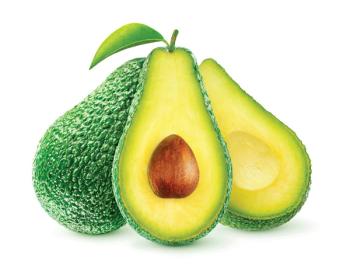
Tomatoes and avocados, both of which contain seeds, are technically fruits, not vegetables.

Ancient Greeks and Romans used asparagus as medicine for healing toothaches and preventing bee stings.