


Americans are consuming five times as much food dye today as they did in 1955. Artificial colors Red 40, Yellow 5, and Yellow 6 are the most widely used food dyes.
Americans are consuming five times as much food dye today as they did in 1955. Artificial colors Red 40, Yellow 5, and Yellow 6 are the most widely used food dyes.

Cranberries bounce when they’re ripe. Many cranberry farmers today use a machine that simulates bouncing to sort out the freshest cranberries.

Worried about cavities this Halloween? Onions contain antimicrobial compounds that researchers have found may destroy the bacteria responsible for tooth decay.

The pumpkin, a close relative of the zucchini and the watermelon, is an excellent source of vitamin A. Pumpkin seeds are also rich in potassium.

Beets offer the highest sugar content of any vegetable. They are also an excellent source of folate.

Often used as Christmas trees, spruce trees are a rich source of lignans.

Artichokes are one of the highest vegetable sources of antioxidants. They are also a good source of fiber and vitamin C.
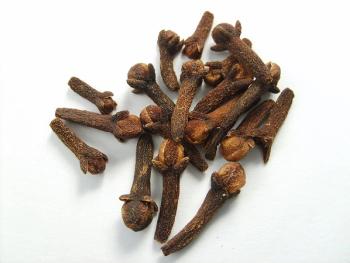
Cloves are one of the richest dietary sources of polyphenols, with more than 15,000 mg of polyphenols per 100 g.

Red grapes produce resveratrol to defend against fungal infections and other environmental stressors. Organic grapes, which are grown without fungicides, have especially high resveratrol content.

Helicopters are used to dry cherries during the wet season. Without their use, the tender skins of cherries might very well break.

In emergency situations, coconut water has been used as a short-term intravenous hydration fluid when medical saline was unavailable. Most physicians today do not recommend this practice.

Dried apricots are one of the best fruit sources of protein. They are also high in vitamin A.

Fresh broccoli consumption is about 12 times higher in the United States today than it was in 1970. Americans now consume about 6 lbs of broccoli per person per year.

The majority of bananas found in supermarkets today are genetically identical Cavendish bananas. That makes it possible for a single plant disease to devastate the world’s banana supply.

Americans spend an average of 80 minutes eating per day, the USDA reports. But 16 of those minutes are spent eating as a “secondary activity” to watching TV, working, socializing, or engaging in other activities.

Raspberries are one of the best fruit sources of fiber, providing around 8 grams of fiber per cup. They are also high in vitamin C.

The Flavr Savr tomato, the first genetically engineered food approved for U.S. commercial sale, was only sold from 1994–1997. High production costs prevented it from turning a profit.

On average, Americans who drink alcohol obtain 16% of their total daily calories from alcoholic beverages. American children obtain about 16% of their total calories from added sugar.

Parmesan cheese offers about 11 grams of protein per ounce, which is more than any other type of cheese.

Unlike humans, most mammals produce their own vitamin C. Our primate ancestors lost the ability to synthesize vitamin C more than 45 million years ago.

Raw spinach offers more vitamin C than cooked spinach does, but the amount of bioavailable calcium is higher in cooked spinach.

Before gelatin and sugar coatings were invented in the 1800s, pills were sometimes gilded in gold or silver to conceal unpleasant tastes or aromas.
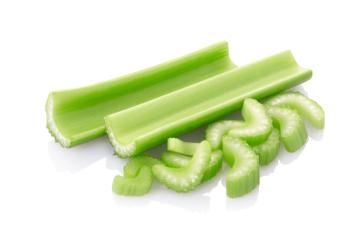
While celery allergies are relatively rare in the United States, celery is one of the top allergens in Central Europe. Mustard allergies are also more prevalent in Europe than in the United States.

Erythritol is less likely to cause digestive issues than other sugar alcohols, such as xylitol or maltitol, because most of it gets absorbed into the bloodstream before reaching the colon.

Unlike many common cooking oils, avocado oil is not derived from a seed. Instead, it is pressed from the fleshy pulp that surrounds the avocado pit.

Jackfruit’s chewy, stringy texture can make it a convincing meat substitute. It’s also the largest of all the tree-borne fruits, sometimes weighing as much as 80 pounds.
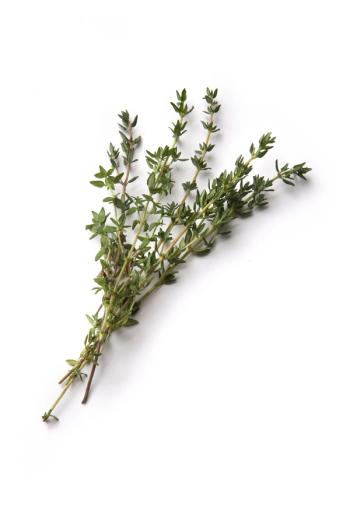
During the Middle Ages in Europe, thyme was thought to ward off nightmares if placed beneath a pillow before going to sleep. It’s also a good source of vitamin C.

Although women take multivitamins at higher rates than men in the United States, research suggests boys aged 1–8 consume multivitamins at higher rates than girls of the same age.

The cloudberry, one of the few fruits that grow in the Arctic Circle, contains more than twice the vitamin C concentration of an orange.
Citrus fruit peels are a great source of many flavonoids, including naringenin and rutin.