

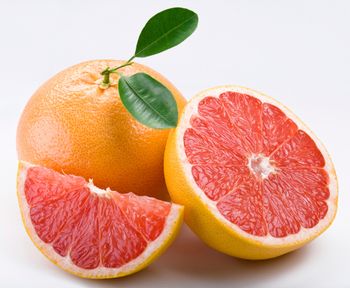
Grapefruit extract is often used to make nontoxic home cleaners.
Grapefruit extract is often used to make nontoxic home cleaners.

Once planted, a cherry orchard can take up to seven years to begin producing a major crop.
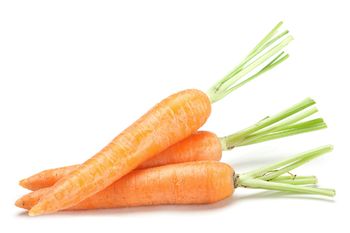
Before the 17th century, carrots were usually yellow, white, or purple in color. It was not until the 17th century that Dutch growers began cultivating orange carrots.

Olive trees can live anywhere between 300 and 600 years on average, and some can live for more than 1,000 years.

Lavender oil is often used to create natural insect repellants for both animals and people.

During World War I, soldiers used honey as a means of accelerating wound healing and preventing infection.
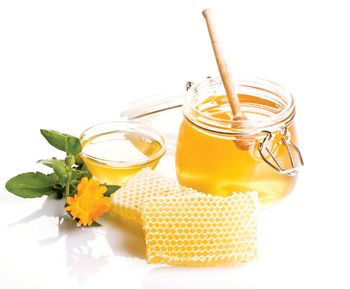
During World War I, soldiers used honey as a means of accelerating wound healing and preventing infection.
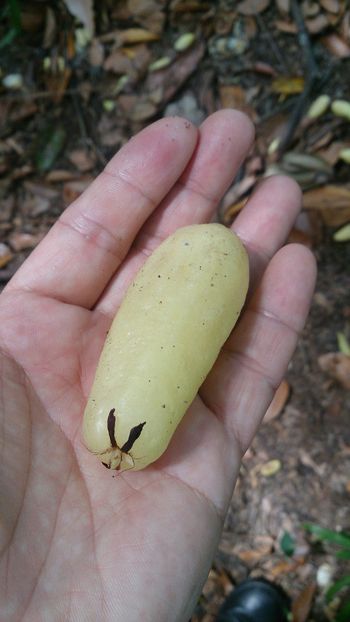
Although green cucumbers are most common, cucumbers can actually come in many different colors, including white, yellow, and even orange.

The largest, widely available citrus fruit is the grapefruit.

Some say that ancient Egyptian queens Cleopatra and Nefertiti used aloe in their skincare regimens.

Nearly all of the artichokes in the U.S. are grown in Castroville, a town in California’s Monterey County, which calls itself the “Artichoke Capital of the World.”
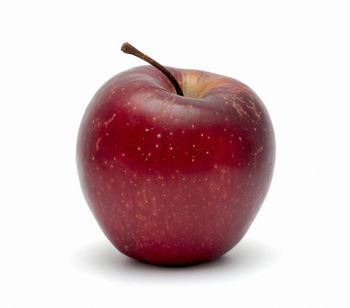
Bobbing for apples started as an ancient Celtic marriage game. The first person to bite into the apple was predicted to be the next to get married.

Mangoes were first grown in India more than 5000 years ago.Today, India is the largest producer of mangoes; however, the country only accounts for 1% of international mango trade because its citizens consume most of the mango grown in the country.
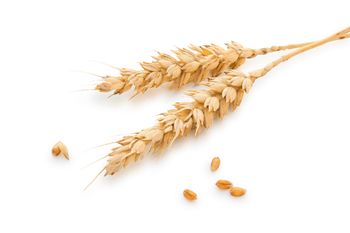
Kansas is America’s leading wheat-producing state. The state generates enough wheat annually to bake 36 billion loaves of bread, which is the equivalent of six loaves for every person on the planet.

According to USDA, grocery store food prices were lower in the first quarter of 2017 than they were in the first quarter of 2016, with price decreases “in just about all at-home food categories,” including eggs, fresh vegetables, and beef.

Cucumbers (Cucumis sativus) are considered a gourd and part of the same plant family as watermelons and cantaloupes.
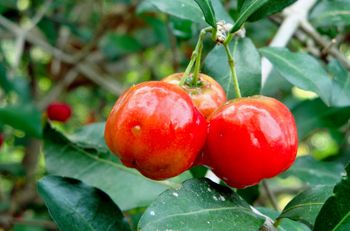
Acerola contains more vitamin C than any other fruit, including oranges.

An April 2017 poll of 1000 American adults found that 7% of respondents believe that chocolate milk comes from brown cows. The poll was conducted by the Innovation Center for U.S. Dairy.

Even Ancient Greeks and Romans used sage (Salvia officinalis) as a meat preservative. Scientists now know that sage’s terpene antioxidants help reduce spoilage.
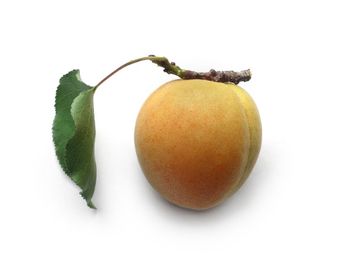
Apricots are a good source of vitamin A and C, as well as fiber.

California is the leading wine-producing state in the U.S. and is the fourth leading wine producer after France, Italy, and Spain.

Sweet-banana skins are most commonly known to be yellow, but ripe banana skins can also be red, pink, purple, and black.
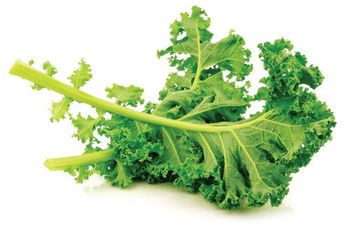
Kale and spinach are the top food sources of eye-health nutrients lutein and zeaxanthin, per USDA’s Food Composition Database.

Hawaii residents consume more Spam per capita than any other state in the United States.

According to a recent Harris Poll, approximately 3.3% of total U.S. adults report being full-time vegetarians, with the highest percentages of vegetarians found in Northeastern states.

In the early 1800s, ketchup was sold as medicine.
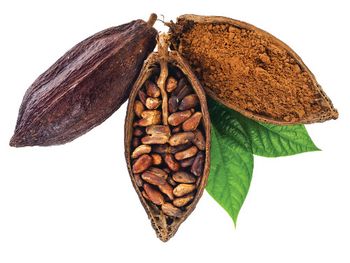
The ancient Aztecs used cacao beans as currency. In fact, the beans were so valuable, some even made counterfeit cacao beans.

July, also known as National Blueberry Month, is the peak harvest for North American blueberries.

It’s possible to dissolve pearls in vinegar.

If placed in water, lemons float and limes sink.