

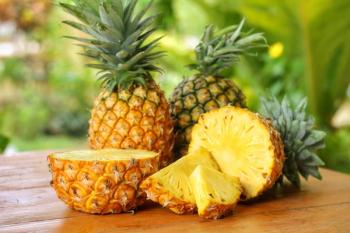
Fun Fact! Bromelain is a group of protein-digesting enzymes that has been promoted as a supplement for sinusitis, osteoarthritis, and other purposes—in 2022 the FDA approved a drug containing bromelain to treat serious burns.
Fun Fact! Bromelain is a group of protein-digesting enzymes that has been promoted as a supplement for sinusitis, osteoarthritis, and other purposes—in 2022 the FDA approved a drug containing bromelain to treat serious burns.

Fun Fact! Belonging to the mulberry family and native to an area ranging from Asiatic Turkey to northern India, figs offer calcium, potassium, phosphorus, and iron.
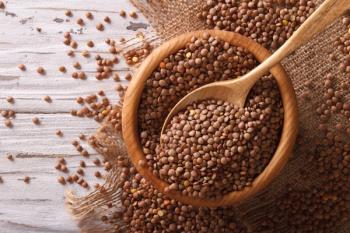
Fun Fact! Lentils (Lens culinaris) are among the oldest cultivated foods—dating to the Bronze Age—and are rich in protein, fiber, iron, and B vitamins.
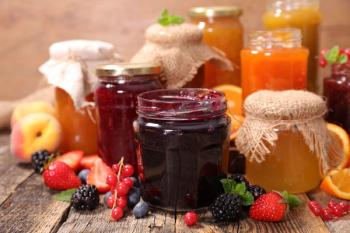
Fun Fact! Jelly, jam, and preserves differ by fruit content: jelly uses only strained juice, jam keeps most fruit solids, and preserves use the most whole fruit, chopped and combined with sugar and syrup.
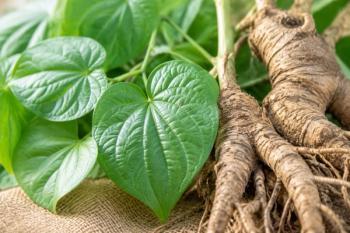
Fun Fact! Kava (Piper methysticum), native to the South Pacific and member of the pepper family, has been used ceremonially and medicinally for thousands of years and is now sold in the U.S. as a beverage and dietary supplement.
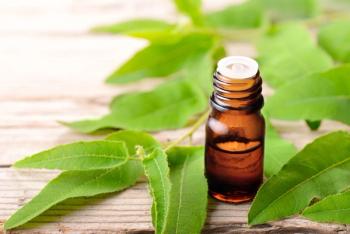
Fun Fact! The CDC lists oil of lemon eucalyptus (OLE) and 2-undecanone as plant-derived ingredients that can be found in EPA-registered insect repellents.

Fun Fact! A 1962 bark sample from the Pacific yew, collected by a USDA botanist in Washington State, led researchers to isolate paclitaxel. That compound became Taxol, now used to treat breast, ovarian, and several other cancers.

Fun Fact! Quinine, tonic water's key bitter ingredient, comes from the Cinchona tree and served as the only Western malaria treatment for 300 years before synthetic alternatives emerged.
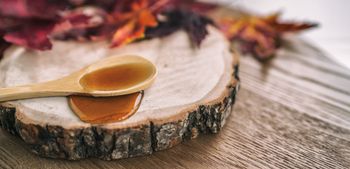
Fun Fact! Producing one gallon of maple syrup requires about 40 gallons of sap—and late-season syrup has potential as a sweetening agent.
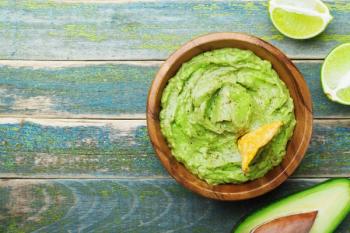
Fun Fact! The Mexican city of Tancítaro set a Guinness World Record with nearly 15,000 pounds of guacamole made by 800 cooks.
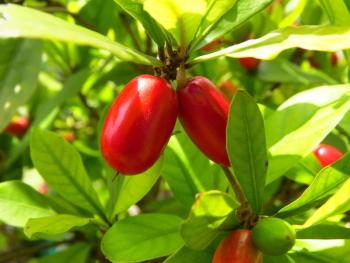
Fun Fact! Miraculin, a glycoprotein in miracle fruit (Synsepalum dulcificum), temporarily makes acidic foods taste sweet.
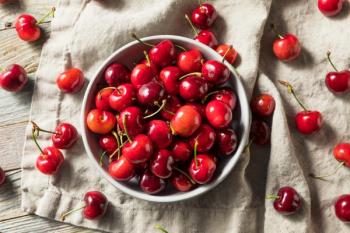
Fun Fact! The cherry family includes over 1,000 distinct varieties that vary in appearance and tartness.
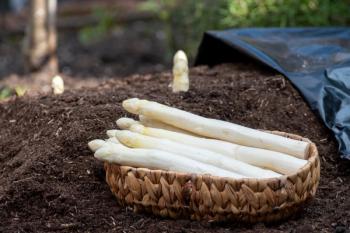
Fun Fact! Asparagus grown underground produces a white color and delicate flavor.
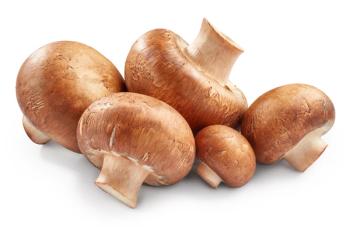
Fun Fact! When exposed to sunlight or UV-light, mushrooms can produce vitamin D.
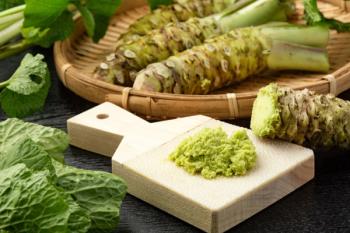
Fun Fact! Because of true wasabi’s high price and limited availability, Western wasabi is usually made of horseradish with colorants added.

Fun Fact! The berries of juniper shrubs are actually seed cones, which are used in the production of gin.
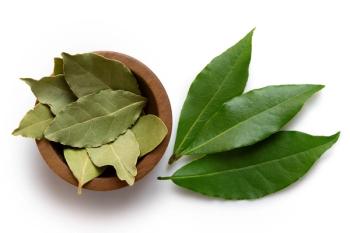
Fun Fact! Bay laurel leaves (Laurus nobilis) flavor food, offer traditional medicinal benefits, and historically crowned victorious ancient Greek athletes.

Fun Fact! The world’s longest chocolate sculpture is a 181.3-foot-long train, composed of 1 locomotive and 22 carriages, all made out of Belgian chocolate.
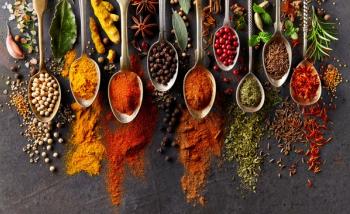
Fun Fact! Herbs come from the leaves of herbaceous plants, while spices come from roots, flowers, fruits, seeds, or bark.

Fun Fact! The most recent major food allergen to be recognized by the US is sesame.
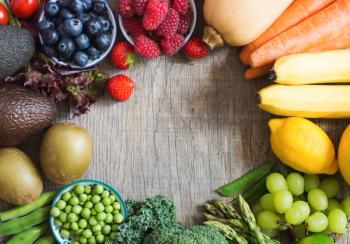
Fun Fact! When classified botanically, pumpkins, avocados, and cucumbers are examples of fruits that are commonly mistaken for vegetables.
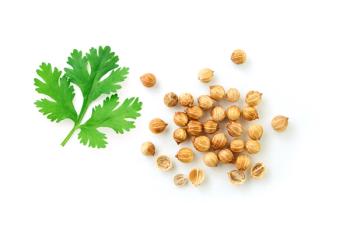
Fun Fact! Coriander is an example of a plant that can produce both a spice and an herb.
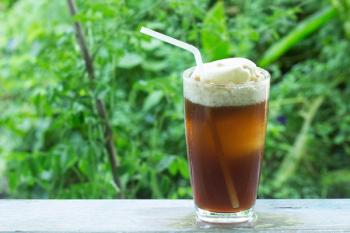
Fun Fact! Root beer was traditionally made with sassafras root, wintergreen, or sarsaparilla, as well as juniper and birch flavorings. Click to learn more!
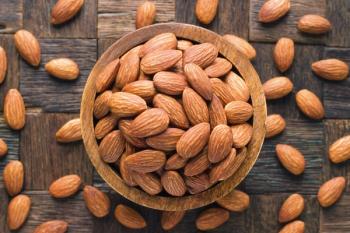
Fun Fact! One ounce of almonds contains 6 g of protein, 3.5 g of fiber, and 48% of the daily value of vitamin E. Click to learn more!

Fun Fact! The recipe for German chocolate cake first appeared in the 1950s in a Texas newspaper. Click to learn more!
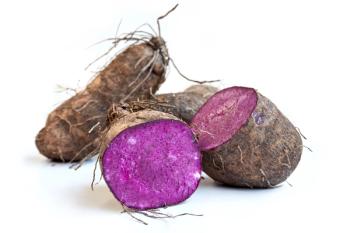
Fun Fact! One cup of the root vegetable ube contains significant amounts of vitamin C, potassium, and anthocyanins. Click to learn more!
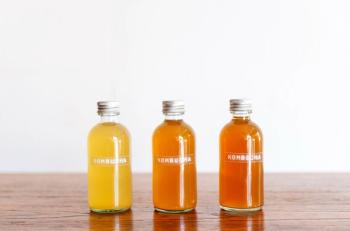
Fun Fact! The fermentation process involved in the creation of kombucha can result in a beverage with an alcohol content. Click to learn more!
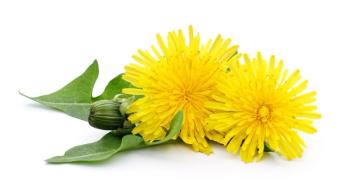
Fun Fact! Dandelion contains vitamins A, C, E, K, and B vitamins, and it also contains the antioxidant beta-carotene. Click to learn more!
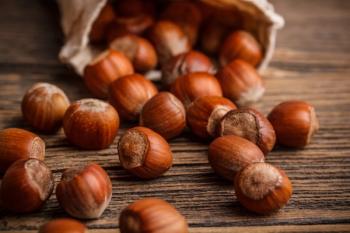
Fun Fact! A 28 g serving of hazelnuts contains 2.7 grams of fiber and 4.2 grams of protein. Click to learn more.
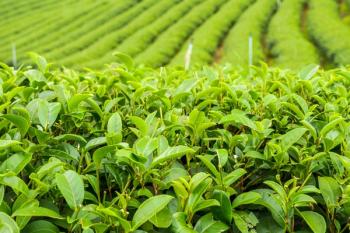
Fun Fact! While green, black, and oolong teas all come from the same plant, Camellia sinensis, they differ in level of fermentation. Click to learn more.