


Fun fact! Tarragon has been used in traditional medicine as a remedy for toothaches. Click to read more.
Fun fact! Tarragon has been used in traditional medicine as a remedy for toothaches. Click to read more.

Fun fact! Fenugreek seeds are used to make imitation maple syrup and flavoring.
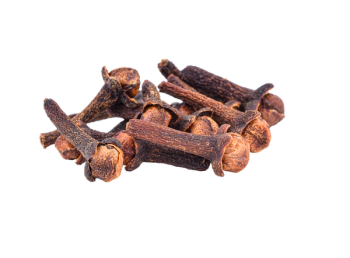
Fun fact! During the Han-dynasty in 200 BCE, envoys from Java held cloves in their mouths to perfume their breath during audiences with the emperor.

Fun fact! About 46% of the world’s total fish supply comes from aquaculture, however, aquaculture accounts for more than 52% of total fishery products that are for human consumption.
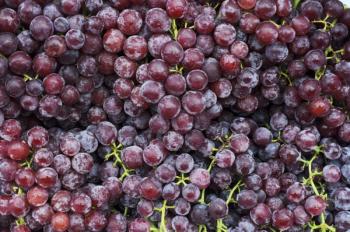
Fun fact! 3.8 million tons of grapes go toward wine production while 115 thousand tons go toward juice production.

Fun fact! Sorghum originates from Northeastern Africa where it was first domesticated, but made its way to the Americas during the mid-18th century. Click to read more.

Fun fact! Nectarines will sometimes grow on a peach tree. Click to read more.
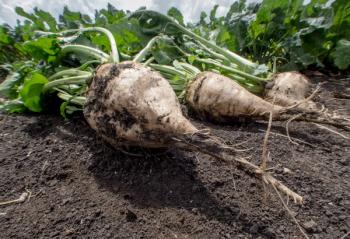
Fun fact! The value of sugarbeet crops are not measured by the ton, but the sucrose percentage in the sugarbeets.

Fun fact! Guava leaves have been used in Thai folk medicine as a hair loss remedy, but recent research suggests that there may be some truth to this old practice.

Fun fact! Processed tomato consumption is higher than fresh consumption at 73 pounds per capita vs. 20 pounds per capita.
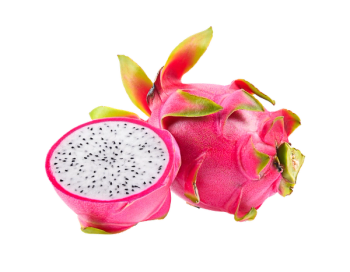
Fun fact! A drought tolerant fruit, dragon fruit is being grown in certain drought-prone areas in place of more traditional crops such as citrus and avocado.

Fun fact! Chocolate has long been associated with love. Click to read more.

Fun fact! Dates are typically left on the palm until completely ripe. That means they are already slightly dry prior to harvest. This is done to prolong shelf life, and the fruits are still considered fresh.
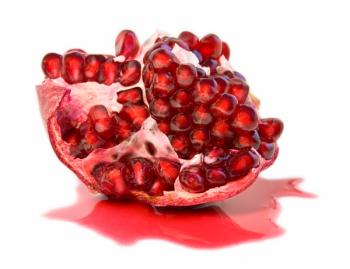
Fun fact! Pomegranate fruit are non-climacteric. This means that they are unable to ripen off the tree and therefore must be picked at full maturity.
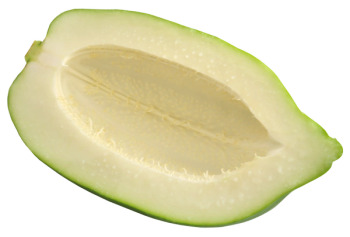
Fun fact! The white juices of unripe papaya contains papain, a proteolytic enzyme that breaks down proteins.

Fun fact! Raw arugula is a good source of calcium, iron, as well as vitamins A, C, and K.

Fun fact! In countries such as Brazil, Vietnam, and Taiwan, avocados are used frequently in milkshakes and even added to ice cream sometimes. Click to learn more.

Fun fact! Cruciferous vegetables such as brussel sprouts are made up of sulfur-containing compounds called glucosinolates that give them their distinct smell and bitter flavor when cooked. Click to read more!
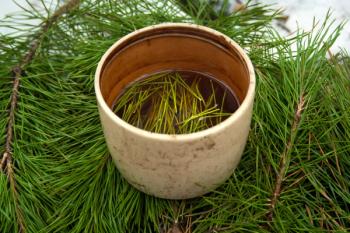
Fun fact! Pine needles can be brewed into a tea that is rich in vitamin C. Click to read more!

Fun fact! There are 12 times more antioxidants in potato skin than the flesh. Also, the more colorful varieties of potato are richer in antioxidants.

Fun fact! Drying grapes to make raisins reduces the water content and increases the proportion of sugar by weight. Click to read more.

Fun fact! Lima beans contain linamarin, a cyanogenic glycoside. This means that when consumed raw, the plant releases cyanide as a defense mechanism. Click to learn more!

Fun fact! Ninety percent of global production of yams takes place in the sub-Saharan African countries of Cameroon, Nigeria, Benin, Togo, Ghana, and Côte d’Ivoire.

Fun fact! The crown and root system of asparagus can grow to be up to 5-6 feet in diameter and 10-15 feet deep.

Fun fact! While sugarcane has historically been a major crop in Hawaii, the last sugar mill in the state closed in 2016. The island’s first settlers brought a variety of sugarcane to Hawaii around 600 AD.

Fun fact! Zucchini is rich in antioxidants, and research indicates that the highest levels of antioxidants is contained in the fruit’s skin.

Fun fact! Prior to pumpkins, large turnips were used to carve Jack-O-Lanterns.

Fun fact! The “spicy” flavor radishes are known for comes predominantly from their skin. Click here to read more!

Fun fact! White button mushrooms, cremini mushrooms (also known as baby bella mushrooms), and portabellas are all the same type of mushroom (Agaricus bisporus), just harvested at different times. Click to read more fun fact!

Fun fact! Whole sunflower seeds are a good source of protein, fiber, vitamin E, zinc, iron, and alpha-tocopherols.