


Fun fact! Sesame was not formally introduced into the U.S. until the 1930’s, but historical documents indicate that Thomas Jefferson grew sesame seed in test plots, referring to it as beni or benne, the name used in Africa.
Fun fact! Sesame was not formally introduced into the U.S. until the 1930’s, but historical documents indicate that Thomas Jefferson grew sesame seed in test plots, referring to it as beni or benne, the name used in Africa.

Fun Fact! Pecan trees are the largest of all the hickory trees, and can grow up to 150 feet.

Fun Fact! Industrial Hemp could be an excellent rotation crop for traditional crops. This is because it can suppress weeds and decrease the outbreaks of insects or disease problems. Additionally, hemp may rebuild soil and condition it by replacing organic matter and providing aeration via its extensive root system.
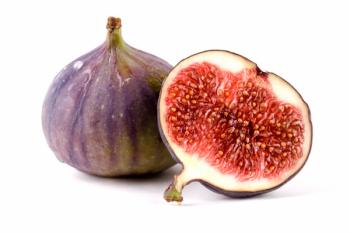
Fun fact! Because of the natural humectants found in figs, they may be beneficial for use in health and beauty products such as soaps, moisturizers, and fragrances.
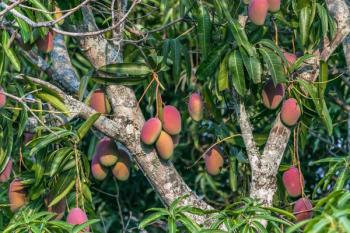
Fun fact! The twigs and leaves of mango trees can be used to clean teeth and said to be beneficial for gums, while the bark is believed to help with toothaches.
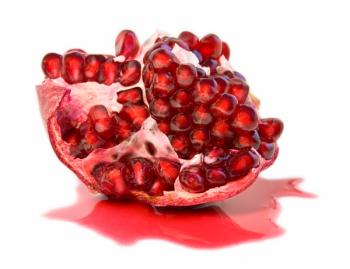
Fun fact! Pomegranate is native to Iran and the Himalayas in Northern India, cultivated since ancient times throughout the entire Mediterranean region of Asia, Africa, and Europe. The fruit was brought California by Spanish settlers in 1769, which is now the largest grower of pomegranates in the US.

Fun fact! Sweet corn is the result of a naturally-occurring genetic mutation of field corn that caused the kernels to store more sugar than field corn.

Fun Fact! Quinoa grains have a bitter saponin coating that deters birds and insects from eating them. Prior to consumption this coating must be removed through either polishing or washing. Polished quinoa grains are refined more similarly to white rice, and therefore contain half the fiber, lower protein, vitamin, and mineral levels compared to washed quinoa.

Fun fact! Cucumbers and melons belong to the cucurbit family of plants (AKA the gourd family), the same family of plants squash, pumpkin, and zucchini belong to.

Fun Fact! The oil extracted from the seeds of meadowfoam is known for high oxidative stability (20 times more stable than soybean oil) and 98% long-chain fatty acid content. Due to its stability, lubricity, and ability to stay on the skin, meadowfoam oil is used widely in cosmetics and haircare applications.

Fun fact! Celery is a natural fibrous tooth cleaner that contains compounds that act as surface cleansers, contributing to dental hygiene.

Fun Fact! As a member of the nightshade family, the leaves of eggplants are narcotic and toxic to consume, but have been used traditionally to make a soothing poultice for the treatment of burns, abscesses, cold sore, and similar conditions.
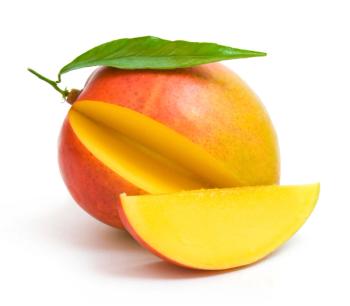
Fun fact! When mango trees are in bloom, it not uncommon for people to experience itching around the eyes, facial swelling, and respiratory difficulty despite the trees not releasing any airborne pollen. The likely culprit for the irritation is vaporized essential oil of the flowers which contain the sesquiterpene alcohol, mangiferol, and the ketone, mangiferone.

Fun fact! In the early 1900's, growing gooseberry and related currants was banned federally because of a fungal disease called white pine blister rust, which was deadly to all species of white pine. It was not until 1966 that the federal ban was lifted, instead shifting to individual jurisdictions.

Fun fact! Generally, mulberry orchards were grown not for their fruit but for their foliage, specifically to rear silkworms, which favor the mulberry tree. Currently, the top countries growing mulberry trees to rear silkworms are China, India, and Japan.

Fun fact! Raisin production was once one of the most labor-intensive crop activities in North America, requiring between 40,000 and 50,000 workers in a typical six-week harvest to cut bunches of green grapes and lay them to dry in the sun. However, labor shortages led to the use of a new method called dried-on-the-vine, which allows for machine harvesting of the dried raisins.

Fun fact! For 3.2 billion people, at least 20% of their intake of animal protein is obtained from consuming fish.

Fun fact! The number of people over the age of 60 will rise to 2 billion by 2050, making up 22% of the total global population.

Fun fact! Reducing salt intake to less than 5 grams per day is one of the most cost-effective measures to improve one’s health outcomes, with the potential to generate an extra year of healthy life. Cutting processed food from one’s diet is a good place start as 80% of salt in the diet comes from processed food.

Fun fact! Pulses which are dry edible seeds in the legume family such as chickpeas or lentils can improve soil fertility. This is because nitrogen-fixing bacteria in pulses transform nitrogen from the atmosphere into fixed nitrogen compounds such as ammonia which can be used by plants and imparted to the soil, reducing the need for fertilizer. When utilized in crop rotation, pulses help increase the soil microbial biomass and the fixed nitrogen will benefit subsequent crops.

Fun fact! Field mustard, scientifically named Brassica rapa L., is a valuable winter annual or rotational cover crop in vegetable and specialty crops, such as wine grapes, because of its potential to prevent erosion, suppress weeds and soil-born pests, alleviate soil compaction, scavenge nutrients. Cultivars of the Brassica rapa species include broccoli raab, turnip, and napa cabbage. It is also used as a cultivar for canola oil.
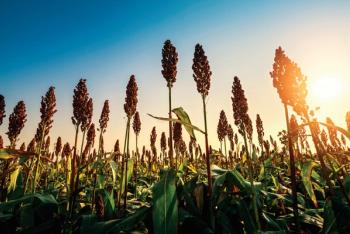
Fun fact! Sorghum cultivars are being intensively studied for their potential as a biofuel source because of their high biomass yield and sugar production. The sugars produced by sorghum give it an economical advantage over starch-based crops for biofuel use. Sorghum is also drought resistant and salt tolerant, making it possible to grown on marginal land, another advantage.

Fun fact! Pecan shellers and farmers who shell their own pecans can sell pecan shells for use in products such as particle board and landscape mulches to add value to their crop.

Fun fact!Cattle account for 83% of global milk production, followed by buffaloes (14%), goats (2%), sheep (1%), and camels (0.3%).

Fun fact! Around the globe, 1.3 million metric tons of food are lost or wasted each year. This amounts to 1/3 of all food produced for human consumption.

Fun fact! Forests contain over 80% of terrestrial biodiversity. Of the 60,000 tree species that exist, only 2,400 of them are actively managed for products and services. Globally, over 700 species are included in tree improvement programs.
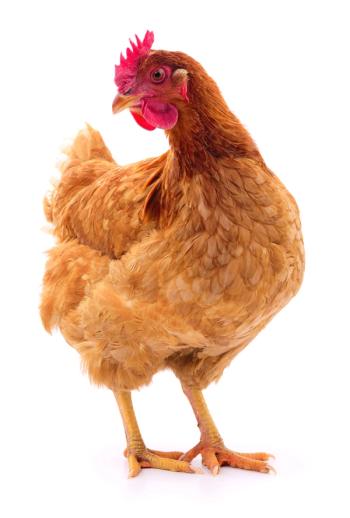
Fun fact! Of the 40 domesticated mammalian and bird species, only eight provide more than 95% of the human food supply from livestock.

Fun fact! There are an estimated 160,000 species of fish and aquatic mollusks, crustaceans and plants, of which only 1.1% are currently fished or harvested, and only 0.3% of which are currently farmed.

Fun fact! Shiitake mushrooms can be produced by placing cultured fungus called spawn into holes drilled in fresh cut hardwood. These logs are then incubated under forest shade for about a year before fruiting begins. The most recommended wood for production is the oak genus of the beech family.
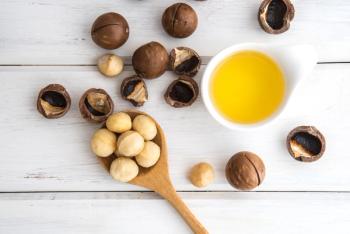
Fun fact! High quality macadamia nuts contain at least 72% oil. Because of the oil’s rich, cushiony feel, and high oxidative stability, oil extracted from macadamia nuts is suitable for use in skincare formulations such as heavy creams, soaps, sunscreens, and shampoos.