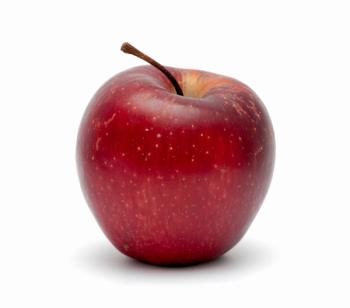
The average American eats 11.6 pounds of apples per year.

Corn (maize), beans, and squash have been called the “three sisters” because Native Americans historically planted them in a group, believing they thrive best when together.

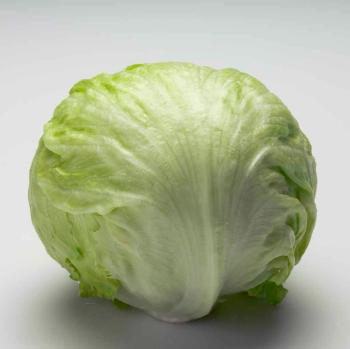
Darker lettuce greens are considered more nutritious than lighter greens because they are richer in nutrients like vitamin A and carotenoids.

18th-century European sailors called avocados “midshipman’s butter” and spread it on their hardtack.

The average American eats 11.3 pounds of bananas each year.

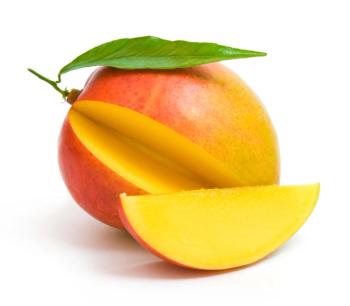
Mangoes, cashews, and pistachios are all part of the cashew family (Anacardiaceae).

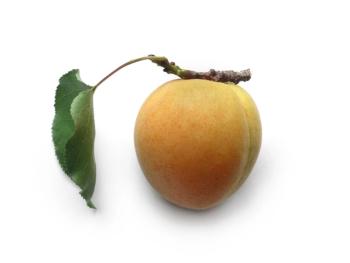
Ninety-five percent of U.S.-grown apricots are grown in the San Joaquin Valley and other parts of northern California.

Chewing fresh parsley helps get rid of onion breath.

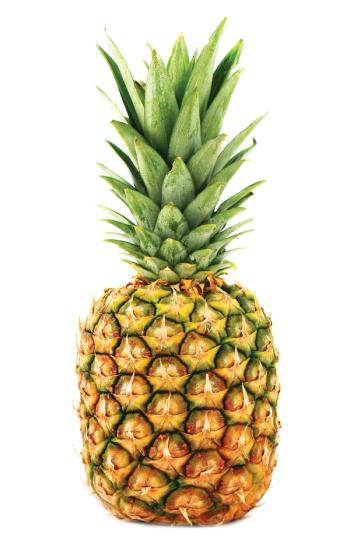
The word pineapple was coined in the mid-17th century due to the fruit's resemblance to a pine cone.

Cantaloupes are the most popular type of melon consumed in the United States.

The yellow Cavendish bananas most of us eat today have been bred to be seedless. The little black dots in the middle of the banana are immature seeds that won’t develop. However, some wild banana fruits do contain hard seeds.

Carrots experienced a resurgence in popularity in the U.S. when “baby carrots” were introduced in 1986. Since then, baby carrots have become the fastest-growing segment of the carrot industry and are among the most popular produce items sold in supermarkets.

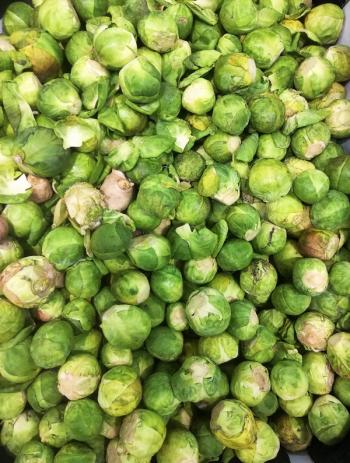
Brussels sprouts were likely named after the capital of Belgium, where they are believed to have originated.

Red and green bell peppers are the same; the pepper’s color just depends on the stage of ripeness. Red bell peppers are simply ripened green peppers.

What is it about onions that brings tears to your eyes? It’s their sulfuric compounds.

One avocado tree can produce up to 400 avocados per year.

Fifty percent of wheat grown in the United States is exported.

Green asparagus is more popular in the United States, while white asparagus is more common in Europe.

Apricot growing season is late May through June.

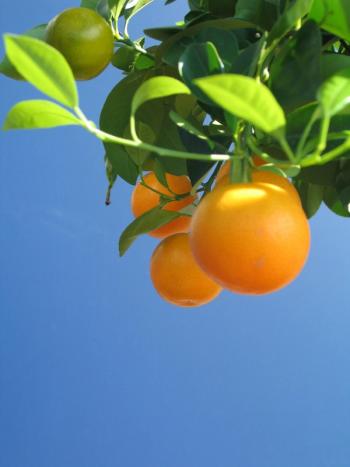
The average American drinks 3.6 gallons of orange juice per year.

It takes approximately 50 licks for a person to finish a single scoop of ice cream.

A basket of mangoes is considered an esteemed gift in India and commonly given as a gesture of friendship both in business and in personal life.

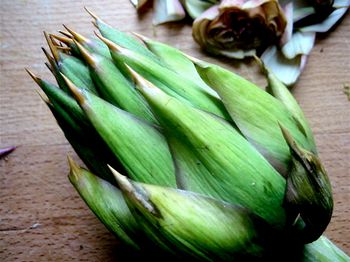
Artichokes are actually flowers. If allowed to flower, their violet-blue blossoms can measure up to seven inches in diameter.

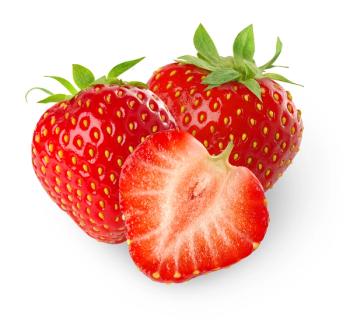
Smaller strawberries are most often sweeter and more flavorful than very large strawberries.

Wheat is grown commercially in 42 U.S. states.

More than 98% of all U.S. blueberries are produced by a combined 10 states: California, Florida, Georgia, Indiana, Michigan, Mississippi, New Jersey, North Carolina, Oregon, and Washington.

The main difference between white milks and flavored milks like chocolate milk is a higher carbohydrate and calorie content stemming from the addition of sweeteners. Both flavored and white milks provide the same nine essential nutrients (calcium, protein, vitamin D, phosphorus, vitamin A, riboflavin, vitamin B12, pantothenic acid, and niacin).

Food purchases account for 12.5% of the average American’s household expenditures, behind housing and transportation.

The average American consumes 7.5 pounds of onions per year, as of 2014, according to USDA.