


What is it about onions that brings tears to your eyes? It’s their sulfuric compounds.
What is it about onions that brings tears to your eyes? It’s their sulfuric compounds.

One avocado tree can produce up to 400 avocados per year.

Fifty percent of wheat grown in the United States is exported.

Green asparagus is more popular in the United States, while white asparagus is more common in Europe.
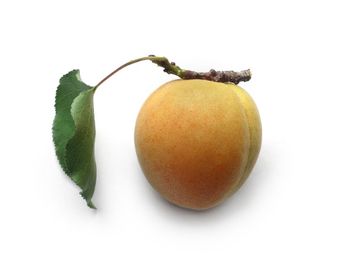
Apricot growing season is late May through June.

The average American drinks 3.6 gallons of orange juice per year.

It takes approximately 50 licks for a person to finish a single scoop of ice cream.

A basket of mangoes is considered an esteemed gift in India and commonly given as a gesture of friendship both in business and in personal life.

Artichokes are actually flowers. If allowed to flower, their violet-blue blossoms can measure up to seven inches in diameter.
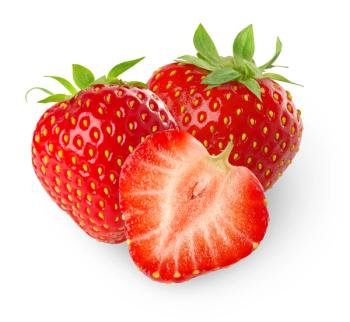
Smaller strawberries are most often sweeter and more flavorful than very large strawberries.
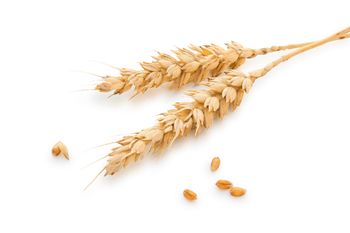
Wheat is grown commercially in 42 U.S. states.

More than 98% of all U.S. blueberries are produced by a combined 10 states: California, Florida, Georgia, Indiana, Michigan, Mississippi, New Jersey, North Carolina, Oregon, and Washington.

The main difference between white milks and flavored milks like chocolate milk is a higher carbohydrate and calorie content stemming from the addition of sweeteners. Both flavored and white milks provide the same nine essential nutrients (calcium, protein, vitamin D, phosphorus, vitamin A, riboflavin, vitamin B12, pantothenic acid, and niacin).

Food purchases account for 12.5% of the average American’s household expenditures, behind housing and transportation.

The average American consumes 7.5 pounds of onions per year, as of 2014, according to USDA.

Americans’ consumption of pizza and French fries is partly what makes potatoes and tomatoes the two most popular vegetables in America.
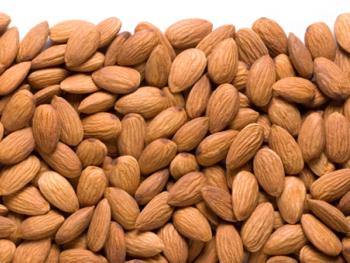
During almond-harvesting season (mid-August through October), mechanical tree “shakers” harvest almonds by vigorously shaking trees and causing almonds to fall to the ground, where they are left to dry for 8-10 days.
Americans love ice cream. In fact, 9% of all of the cow’s milk in America is used to make ice cream.

Onions are the third most popular vegetable in the U.S.

Americans spend nearly a third of their food purchasing eating out at restaurants and foodservice establishments. In 2014, Americans spent approximately 5.5% of their disposable personal income on food eaten at home and 4.3% of their disposable personal income on food away from home.

Most of the blueberries sold in U.S. grocery stores, and the most common type of blueberry cultivated around the world, are Northern highbush blueberries. Highbush blueberries are said to be more resistant to diseases compared to other kinds of blueberries.
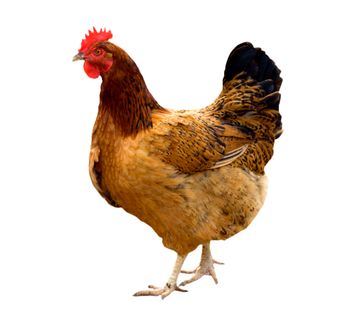
Since 1970, the number of chickens available for each person in the U.S. to eat has more than doubled.
Apricots originated in China more than 4,000 years ago.

According to some, before it became popularly known as “The Big Apple,” New York City was called “The Big Onion.”

Apples and bananas are the most popular fresh (whole) fruits in America.

Almond trees are “dormant” and do not produce almonds during the cold-weather months of November through February.
A single serving of onion contains 45 calories.
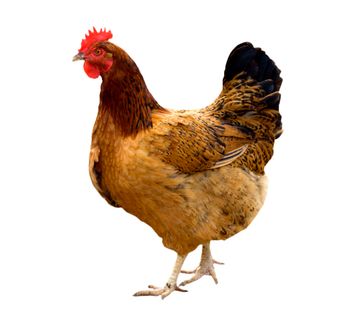
In the past decade, chicken has overtaken beef as the most-consumed meat in America.

Potatoes and tomatoes are the most commonly consumed vegetables in the United States.
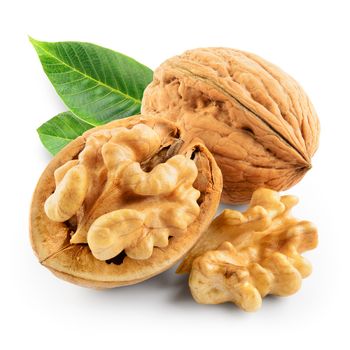
More than 99% of the walnuts grown in the United States come from California’s Central Valley.