


Fun fact! Research is being done into the economic feasibility of using oil from the camelina plant to create biofuels, potentially as an alternative to conventional jet fuel, for example.
Fun fact! Research is being done into the economic feasibility of using oil from the camelina plant to create biofuels, potentially as an alternative to conventional jet fuel, for example.
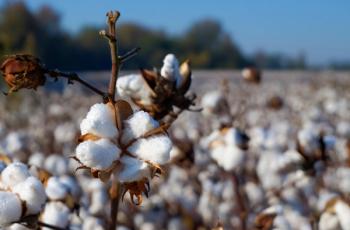
Fun fact! Cottonseed oil places third behind soybean and corn oil in production volume, used commonly as a salad and cooking oil, as well as in shortening or margarine.

Fun fact! The income from direct honey-bee pollination of U.S. agriculture can far exceed the value of wax and honey. In 2017, income from direct honey-bee pollination was estimated to be $453 million.

Fun fact! To extend the growing season for berries, farmers use high tunnel production, which are large hoop houses covered in plastic that cost a fraction of greenhouses.
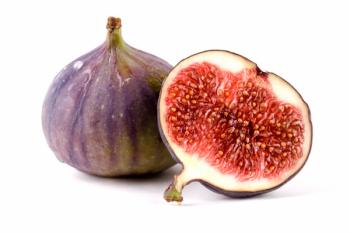
Fun fact! Fig leaves are used as perfume material in Southern France for a woody-mossy scent.

Fun fact! The “everbearing” type of strawberry plant has a misleading name because it only produces fruit two-three times per year during spring and/or summer and fall.

Fun fact! Spanish missionaries introduced grape-growing and winemaking knowledge to Mexico, California, and other parts of the United States in the 18th century.

Fun fact! Mulberry leaves are palatable and easy to digest for herbivorous animals, so many countries use mulberry leaves as the main forage for goats, sheep, and rabbits.

Fun fact! Gooseberries are believed to be the most shelf-stable berry handled commercially.

Fun fact! Canada is the largest export market for U.S. sweet cherries, followed by South Korea. The United Kingdom is the largest export market for U.S. dried cherries.

Fun fact! Potatoes were first cultivated by the Incas in Peru around 200 BC. The Spanish introduced the potato to Europe in the 16th century where people were initially reluctant to adopt it. However, over time, due to its practicality, Europeans widely accepted and consumed the crop.

Fun fact! The United States produces 24% of the world’s pistachios, making it the second leading producer and exporter behind Iran.

Fun fact! Between 2016 and 2019, corn farms using organic techniques increased to 16,585 from 14,217, and the number of certified acreage grew to 5.5 million from 5 million.
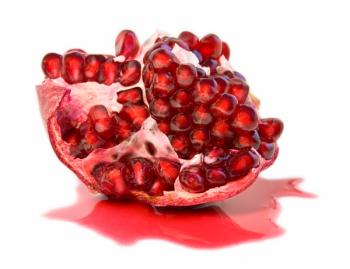
Fun fact! The pomegranate belongs to the Punicaceae family, which has only two genus and two species.

Fun fact! Sugarcane has been cultivated for over 4,000 years. Methods for manufacturing sugar from sugarcane had been developed in India by 400 BC. Europeans were introduced to sugar during the crusades, and by the 11th century AD, sugar was being imported all over Europe. Christopher Columbus likely brought sugarcane to the West Indies.

Fun fact! Pear trees are very susceptible to Fire Blight, a bacterial disease cause by the bacterium Erwinia amylovora.

Fun fact! Since 2008, the number of farmers’ markets in the U.S. has increased 76 percent. The most recent data from 2014 shows that there are 8,268 farmers’ markets currently operating in the United States.

Fun fact! In Jewish culture, lentils are an important food to serve during mourning ceremonies because their round shape symbolizes the cycle of life. In Italy and Hungary, lentils are consumed on New Year’s Eve to bring about wealth and prosperity because lentils are shaped like coins.
Fun fact! The United States is the world’s second largest producer of cherries after Turkey.

Fun fact! In the U.S. only 5% of the cranberries produced are sold fresh, while the remaining 95% are processed, mostly for juice and juice blends.

Fun fact! Avocados contain 60% more potassium than bananas, and are also rich in B vitamins, vitamin E, vitamin K, and folate.
Fun fact! About 63% of potatoes are sold to processors who make French fries, chips, dehydrated potatoes, or other potato products. The rest goes to fresh market, are fed to animals, or reused as seed tubers for the next growing season.

Fun fact! On average, eating a cup of cooked dry beans provides 264 micrograms of folate, accounting for 66% of the recommended daily requirement.

Fun fact! Quinoa sees optimal growth at temperatures below 90 degrees Fahrenheit. Above that temperature, the pollen goes sterile.
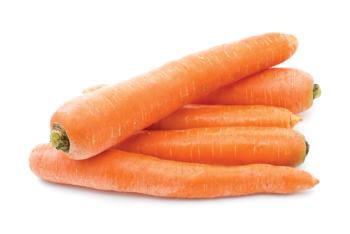
Fun Fact! Carrots are rich in beta carotene, and contain vitamin C, vitamin K, and potassium.
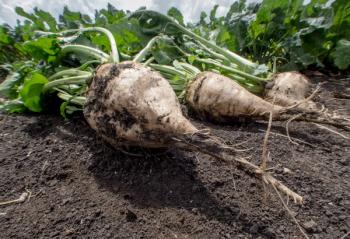
Sugar from sugarbeets accounts for 55-60% of the 9 million tons of sugar produced by the U.S. each year.

Fun fact! One cup of asparagus contains three grams of protein.

Fun Fact! Celery was first cultivated in the Mediterranean region 3,000 years ago. Early plants were primitive and used predominantly for medicinal purposes, such as sedatives. The first culinary usage of celery was as a flavoring, and the earliest record of the use of celery as food comes from France, dating back to 1623.
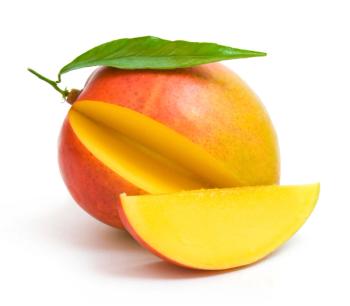
Fun fact! The Anacardiaceae family of flowering plants, also known as the cashew or sumac family, includes genera such as cashew and mango, but also poison ivy and poison oak.

Fun fact! The Comanche would use pecan to treat ringworm by pulverizing the leaves and rubbing them into the infected part of the ringworm.