


Watermelons contain up to 1.5 times more lycopene than tomatoes. They are also good sources of vitamin C, beta-carotene, and L-citrulline.
Watermelons contain up to 1.5 times more lycopene than tomatoes. They are also good sources of vitamin C, beta-carotene, and L-citrulline.

Polish biochemist Casimir Funk is credited with coining the word "vitamine" in 1912. The "e" was later dropped in 1920, when it became clear not all vitamins are nitrogen-containing amines.

Due to possible effects on mood and body temperature, American ginseng is known as “cooling” ginseng in traditional Chinese medicine. Asian ginseng is considered to be “warming."

Most of an apple’s fiber can be found in its skin. Apple peels are also rich in vitamin A, vitamin C, and quercetin.

Before the orange became a popular fruit in England, linguists believe there was no specific English word to describe the color orange.

Collagen, the main component of connective tissue, accounts for approximately 30% of all protein content in the human body.
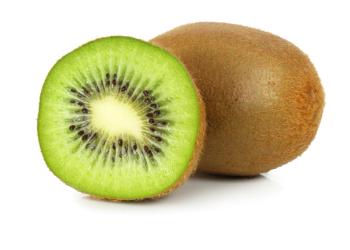
One serving of kiwifruit contains twice the vitamin C of an orange and as much potassium as a banana.

Aside from the taste and texture differences, green olives may contain up to twice as much sodium as black olives.

Yacon is a close relative of the sunflower and the Jerusalem artichoke. Its sweet taste comes from the high content of fructooligosaccharides.

The trend of eating peas “green,” before they reach maturity and turn yellow, began in Europe in the 1600s. French noblewoman Madame de Maintenon famously described the new habit as “both a fashion and a madness.”

Most millet grains grow best in dry, warm climates. One species, proso millet, likely has the lowest water requirement of any grain crop.

In the right conditions, asparagus can grow as much as one inch per hour-up to 12 inches in a single day.

On average, taste bud cells live for 10-14 days. Most sit on the tongue, but some taste buds are located on the roof, sides, and back of the mouth.

Mango fruit is available in more than 1000 varieties around the world. It's also a relative of cashews and pistachios.

Soybean was first known to many Americans as the “coffee berry,” thanks to the popularity of coffee made from roasted soybeans in the 1800s.

Juice made from red cabbage can be used as an indicator of pH.
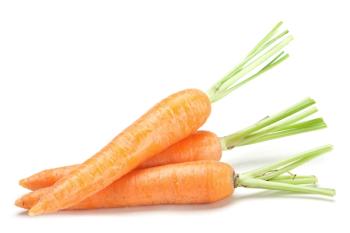
Carrot cookies were a popular Christmas gift among friends and relatives living in New England states during the 1700s.

In addition to potential benefits for heart health, skin health, and eye health, goji berries may contain up to 4 grams of protein per ounce.

Dried prickly pear flowers are commonly sold in Tunisian markets, where they are used as a traditional remedy for kidney stones.

A good source of iodine and potassium, giant kelp is also one of the fastest-growing organisms on the planet. It can grow by nearly two feet per day under ideal conditions.

Forget vampires: garlic can be an effective pesticide to ward off aphids, caterpillars, and other pesky insects.

Fenugreek contains the aromatic compound sotolon, which can cause perspiration and urine to smell like maple syrup after prolonged use.

During World War II, valerian was used in England to relieve stress caused by air raids.

Ginger root can stimulate the production of saliva.

Saffron is the world's most expensive spice because each saffron flower is hand-picked to collect just three stigmas per flower.

Tart cherries contain high levels of melatonin, a compound that helps regulate sleep and wake cycles.

Due to their rich flavor and nutrition, onions served as currency in the Middle Ages. Today, onions are a leading source of quercetin in the diet.
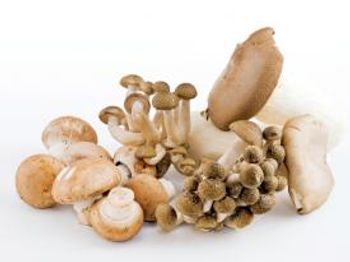
Mushrooms can be a good source of dietary vitamin D, as long as they are exposed to sunlight or UV radiation.
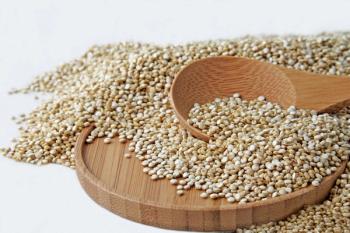
Quinoa species are not all the same size. One species, called kaniwa, has earned the nickname "baby quinoa" because it's about as small as a chia seed.

Per ounce, broccoli has as much calcium as milk.