




Sports & Energy
Latest News
Advertisement
Advertisement

The record breaker is a 2200-lb tub of the company’s Cookies ’n Cream vegan protein powder measuring 10 ft tall and 5 ft wide.

A small study on young adults suggests that ginseng can affect exercise and perhaps aging.

Pea ingredients supplier Cosucra discussed pea’s promising future as a specialty plant protein, as well as challenges in scaling up supply, at IFT 2018.

Conventional energy drinks, snacks, and supplements remain popular, but “cleaner,” “more natural” versions are occupying a greater portion of new product launches.

SureProtein Fast MPC 4868 is NZMP’s latest milk protein concentrate innovation.

In a review of 29 published human studies, researchers found that sweet cherries may offer health benefits to subjects suffering from chronic inflammatory conditions.

In the review, authors describe how L-carnitine was found to help attenuate post-exercise muscle soreness and oxidative stress, as well as to increase blood flow. They also point to growing applications in elderly adults in whom L-carnitine may help mitigate age-related muscle loss, or sarcopenia.

Energy drinks continue to outperform the overall soft drinks market in terms of value, with their share of the category rising to 8% in 2017 and their global value reaching about €44 billion, says Innova Market Insights.
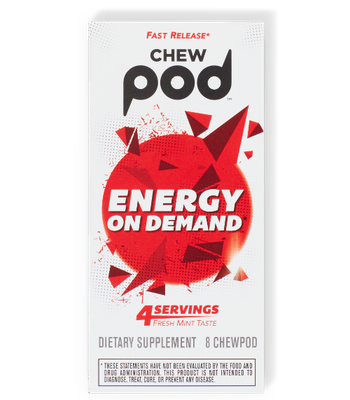
Chewpod is a chewable gum supplement that comes in two varieties: Energy on Demand, which the company says provides an energy boost during the day, and Sleep on Demand, which is said to enhance sleep time and quality.

In the study, cyclists who pre-supplemented with Palatinose prior to exercising exhibited a more stable blood glucose profile, higher fat oxidation, and improved athletic performance, compared with a maltodextrin control group.

The company says that all of its personal care products are now UL (Underwriters Laboratories) ISO 22716:2007 certified for production and quality control. In addition, its entire line of natural foods is now UL Safe Quality Food (SQF) Level II certified, and its Now Sports products are now certified by Informed Sport/Informed Choice.

Following its review of D-ribose, EFSA concluded that D-ribose is safe for the general population, including children, at a daily dose of 2.5 g-a dosage the company calls “a strong dose for efficacy.”

Purdue University researchers say this is the first meta-analysis to examine what impact whey protein supplementation has on female body composition when factoring in the effects of calorie restriction and resistance training.
In the study, both a sugar-free amino acid beverage, known commercially as enterade ORS, and a glucose-based beverage (Pedialyte), provided better hydration than Gatorade when compared using a new analysis tool called the beverage hydration index (BHI).
Kaneka showcased new sports prototypes featuring its ubiquinol CoQ10 ingredient combined with other vitamins and minerals, including in vegicap, powder stick, gel, and gelatin capsule formats, at May’s Vitafoods Europe trade show.

As plant-protein demand grows, plant-protein ingredients are overcoming growing pains, including challenges of scaling up, as well as formulating hurdles.

NSF International will test Austrian Ski Federation athletes' supplements to reduce the risk of inadvertent doping in Olympic skiers.
HB 1195 has been sent to a study by the Massachusetts Joint Committee on Public Health, meaning that it will not be up for passage during this legislative session.

The claims, “Promotes gastrointestinal health in physically active adults” and “Helps reduce the incidence of cold-like symptoms in adults with exercise-induced stress,” have been approved for Lallemand Health Solutions’ Lactobacillus helveticus Lafti L10 strain for active adults.

OmniActive is sponsoring a session about curcumin’s health benefits for sports nutrition and its market potential in the sports nutrition category at this year’s Vitafoods Europe trade show.

Research has identified a newly emerging adulterant in sports supplements. NSF's John Travis writes about how he and fellow researchers discovered 2-aminoisoheptane in supplements.
Nutritional Outlook interviewed Duffy MacKay, ND, senior vice president, scientific and regulatory affairs, Council for Responsible Nutrition, about some of the biggest regulatory hurdles and ingredients to watch in the sports nutrition category.

Cereal grasses are more popular with consumers than ever. Here are five market trends to keep your eye on, including new product formats, flavors, and more.
The SARMs Control Act of 2018 introduced yesterday by Senators Orrin Hatch (R-UT) and Sheldon Whitehouse (D-RI) would add SARMs to the DEA’s list of Schedule III drugs and ensure that SARMs are regulated similarly to anabolic steroids.
Advertisement
Advertisement
Trending on Nutritional Outlook - Supplement, Food & Beverage Manufacturing Trends
1
New Omega-3 Softgel Concept ZOΩ3GO Debuts from LEHVOSS, Zooca, and Golden Omega
2
Jarrow Formulas Debuts Two New Supplements Targeting Protein Absorption and Cellular Energy
3
TSI Group Expands Precision Nutrition Platform Into U.S. and Australian Markets
4
Digestive Health in 2026: How the Nutraceutical Industry Is Moving From "Gut Health" Hype to Precision Claims
5