




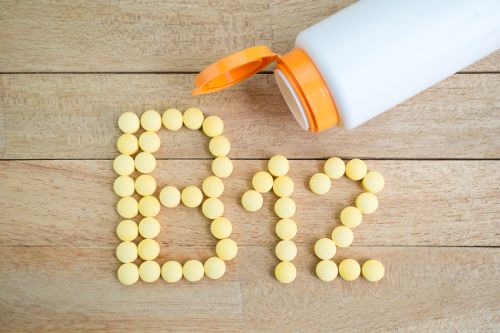

Sabinsa’s multi-enzyme complex shows potential for a new sports-related application in a recent study.
Sabinsa’s multi-enzyme complex shows potential for a new sports-related application in a recent study.

Tensions between dairy proteins and plant proteins are heating up, but which category stands to gain the most in 2017?

The authors of a new study published in Pediatrics state that teenagers may not get the advice they need in order to use these supplements properly.

From the stellar growth of boswellia and branched-chain amino acids, to declining sales of whey protein and valerian, here are the supplement ingredients that surprised market experts from SPINS this year.
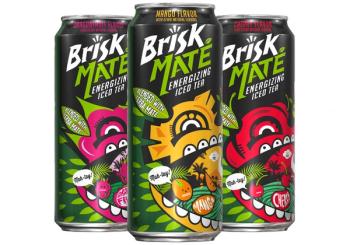
Energy drink makers must keep up with today’s consumer trends, including clean-label and healthy.

Researchers found that astaxanthin supplementation improved cognitive acuity, physical sensations of fatigue, concentration, motivation, mood, and stress compared to placebo in a human fatigue model.

DuPont Nutrition & Health shares new research results finding both whey protein alone or a blend of whey and soy proteins may help curb muscle loss in older men.
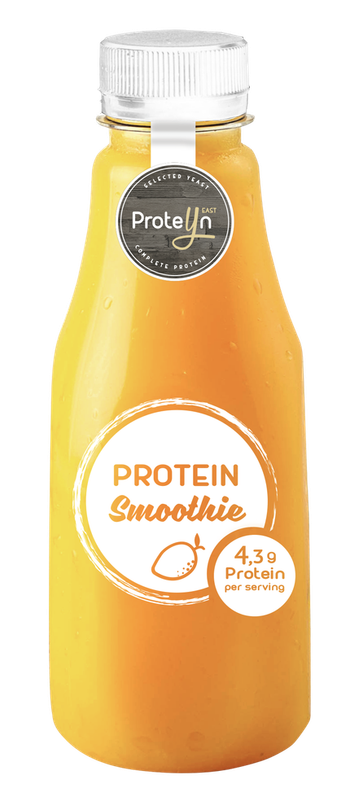
Lesaffre Human Care says its new Lynside ProteYn line of yeast proteins offers a competitive nutritional profile to proteins from dairy and plant sources.

The New Dietary Ingredient notification for Algae Health Sciences’ AstaZine natural astaxanthin is the first in the industry to exceed a dosage of 12 mg per day, the firm says.

Presenters at Nutritional Outlook’s recent webcast, “Protein and Sports Nutrition,” shared their take on what shifting consumer preferences mean for the booming sports nutrition category.

E-commerce brand The Refreshinq Co recently debuted transdermal patches for energy support, weight support, and vitamin-D support.

Almond Pro says each serving of its new powder offers 19 g of almond protein, 6 g of fiber, and a lower fat-to-protein ratio than competing products.

Botanical extracts, proteins, and lipid-based products are all on deck as brain-wellness ingredients take on sports nutrition.

LGC Science has tested and cleared PerfectAmino for the wide range of substances banned by the World Anti-Doping Agency.

CRN’s annual supplement usage survey found that 71% of U.S. adults reported taking dietary supplements in 2016, an increase from past years that suggests more than 170 million Americans use supplements.

Research is pushing lesser-known ingredients to the forefront of sports nutrition.

Natural Alternatives International’s new SR CarnoSyn allows for a high dose of beta-alanine to be released over several hours, thereby reducing the chance of off-putting paresthesia sensations.

Pharmachem Laboratories shared results of a new study suggesting a blend of two probiotic strains may provide ergogenic benefits to male athletes after strenuous exercise.

Google Trends confirms that consumer understanding of branched-chain amino acids is more advanced than ever before.
The French maritime pine-bark extract was found to improve overall muscle function in participants aged 70–78 who reported suffering from muscle loss, sarcopenia, and/or fatigue.

Enzyme marketers are making a concerted effort to extend the reach of enzymes with innovative, condition-specific blends targeting everything from sports nutrition to pet health.

Fytexia’s new line of sport-nutrition ingredients include extracts from grape, pomegranate, guarana seeds, elderberry, mangosteen, and more.

Valensa International’s new Immunum chewables contain beta glucan from German baker’s yeast, astaxanthin, Manuka honey, and an algae-derived lipopolysaccharide.

Study results shared by Horphag Research suggest its Robuvit oak-wood extract improves triathlon performance, endurance, and recovery in amateur athletes aged 30–40.

Sports performance products are gaining fans everywhere, but some product types are proving more popular than others.