


The ingredient supplier will present a dozen branded ingredients spanning joint, metabolic, and cognitive health categories as the Asia-Pacific supplement market continues to expand.
Nicholas Saraceno is the Senior Editor of Nutritional Outlook.
The ingredient supplier will present a dozen branded ingredients spanning joint, metabolic, and cognitive health categories as the Asia-Pacific supplement market continues to expand.

Scott Melville will leave his post as president and CEO early next year, prompting a board-led search during an active period of federal regulatory activity.

Everwell Health's latest market report ties rising consumer interest in "aging well" to cellular-level ingredients, part of a broader shift in how supplement brands are positioning healthy aging products.

Researchers in Malaysia tested light and water combinations on young Tongkat Ali plants, providing data that could inform how the increasingly sought-after botanical is replanted and managed for long-term supply.

In the seventh episode, Nicholas Saraceno traces how ingredients like ashwagandha, fenugreek, and shatavari moved from traditional medicine systems into mainstream supplement formulations, and why the same adaptogen category now driving double-digit market growth is also facing new scrutiny over sourcing and raw material standards.
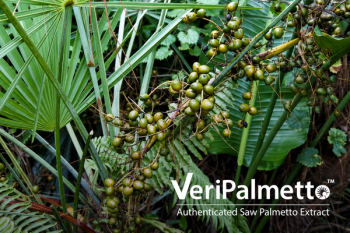
The supplier has introduced a domestically grown, authenticated saw palmetto extract line, positioning supply chain traceability as a response to longstanding concerns about alteration in the botanical's raw material market.

New testing of popular prenatal multivitamins from Consumer Reports found nutrient levels outside of the voluntary potency standards.

The third-party certification, covering TriNutra's full standardized black seed oil line, adds to a growing body of documentation behind an ingredient increasingly positioned around gut and stress-related outcomes.

The certification and training program aims to help more than 1,500 community health centers integrate food-based interventions into chronic disease prevention and management.
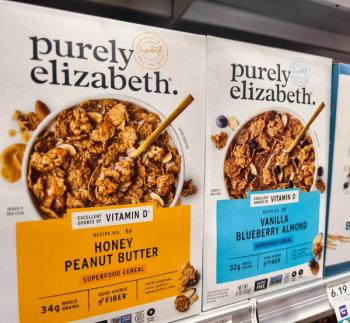
The proposed acquisition adds a growing protein-focused product line to Ferrero's expanding US breakfast portfolio, following its 2025 purchase of WK Kellogg Co.

The appointment adds a three-decade supply chain and commercial strategy veteran to the leadership team.

A randomized crossover trial found that a single dose of the yeast-derived postbiotic EpiCor was associated with measurable changes in inflammatory biomarkers within three hours,

As the science around male pattern hair loss expands past a single hormonal pathway, ingredient suppliers and finished brands can utilize a variety of tactics to meet the demands of this growing health benefit category.

Rutgers' director of sports nutrition, Katie Salomone, breaks down how collagen protocols differ between injury recovery and injury prevention, where the ingredient science still falls short, and what manufacturers get wrong when formulating for elite athletes, ahead of her session at the upcoming Outlook on Active Nutrition conference.

The women's wellness brand's newest launch pairs NMN with a patented antioxidant blend.

The campaign centers on Thorne's NSF Certified for Sport product line, placing renewed emphasis on third-party testing as athlete-endorsed supplement marketing continues to expand across professional sports.

The proposed rule would end nearly 7 decades of voluntary GRAS notification, a change with direct implications for how supplement and functional food ingredients enter the market.
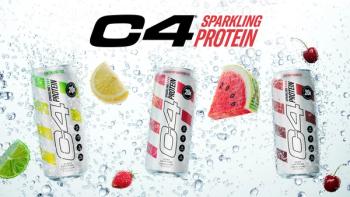
The caffeine-free, carbonated protein drink extends Nutrabolt's C4 brand beyond energy and pre-workout into a beverage segment where clear and sparkling protein formats have posted some of the category's strongest recent growth.
In the sixth episode, Nicholas Saraceno breaks down why collagen, skin microbiome science, and nutricosmetics are converging into one of the fastest-growing categories in the industry, and why claims substantiation remains the biggest gap between where the science is and where the marketing tends to go.

The Irvine, California expansion adds 260,000 square feet of production space.

The acquisition combines 2 family-owned fermentation and enzyme technology companies, adding manufacturing capacity as demand for enzyme and probiotic ingredients in dietary supplements continues to grow.

A peer-reviewed crossover study on Trpti, a bioavailable oleoylethanolamide ingredient, found measurable increases in GLP-1 and GIP within 15 minutes of dosing, adding mechanistic detail to a growing body of research on the ingredient's role in appetite and metabolic health.

The deal pulls a practitioner-channel supplement brand into one of the world's largest consumer goods companies, adding to a wave of strategic acquisitions reshaping the vitamins, minerals, and supplements category.
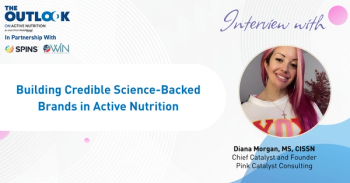
Ahead of her session at the upcoming Outlook on Active Nutrition conference, Pink Catalyst Consulting founder Diana Morgan breaks down how fast-moving, influencer-driven brands often treat regulatory as an afterthought, what a realistic first step toward clinical validation looks like for smaller brands, and why retailers are quietly tightening compliance standards.

The vertically integrated supplier's facility expansion and new commercial hires reflect a broader industry push toward domestic mushroom ingredient production as the functional mushroom category continues double-digit growth.

A double-blind, placebo-controlled study published in The American Journal of Clinical Nutrition found that 3 months of fish hydrolysate supplementation improved memory performance in older adults already showing greater-than-average cognitive decline.

Bayer's updated women's multivitamin gummy now delivers 1,000 mcg of biotin per serving.

The expansion adds manufacturing space and jobs to ADM's Northern Kentucky colors campus, reflecting a broader industry shift as manufacturers respond to regulatory pressure on synthetic dyes and an estimated $1 billion North American color conversion opportunity.

Precision fermentation, mycelium-based biomass fermentation, and mushroom cultivation are often lumped together under 1 buzzword, but a deeper dive uncovers different processes, bottlenecks, and supply chain realities.
As demand grows for both animal-derived and fermentation-based collagen, this FAQ provides finished product manufacturers a clear understanding of how sourcing decisions affect sustainability claims, regulatory compliance, and formulation strategy.