

A new crossover trial finds that a whole-food Chardonnay grape matrix outperformed a concentrated seed extract on one marker of cardiometabolic health.
Nicholas Saraceno is the Senior Editor of Nutritional Outlook.
A new crossover trial finds that a whole-food Chardonnay grape matrix outperformed a concentrated seed extract on one marker of cardiometabolic health.

With GLP-1 medications creating an entirely new supplement category almost overnight, a look at the science, the claims, and where the evidence actually stands.
In the third episode, Nicholas Saraceno discusses why male hair thinning is increasingly being understood as a multifactorial, systemic health issue rather than a purely cosmetic one, and what that shift means for how the supplement industry formulates and substantiates products for men.

Maypro's new distribution partnership with Asahi Group Foods brings a clinically studied milk peptide to North American formulators targeting the cognitive health category.

Harry Rice breaks down GOED's comments to FDA on safety-based ingredient standards, and explains what recent headline-grabbing studies on omega-3s and cognitive health actually do and don't tell us.

A 2024 UK regulatory determination on the novel food status of monk fruit decoctions has added momentum to a less-refined ingredient format that formulators are positioning as a clean-label alternative to high-purity mogroside extracts.
From El Niño disruptions to the Peruvian anchovy fishery to a forthcoming expert panel recommendation on EPA and DHA, GOED's Harry Rice breaks down what's shaping the omega-3 category in 2026.

The dual regulatory clearance gives formulators authorized claims language in two jurisdictions for an ingredient already supported by published randomized controlled trial data on sleep quality and cortisol reduction.

The regulatory distinction extends an already-established human health probiotic strain into the companion animal category, adding to a growing list of pet supplement ingredients seeking formal recognition in Canada's veterinary health product framework.
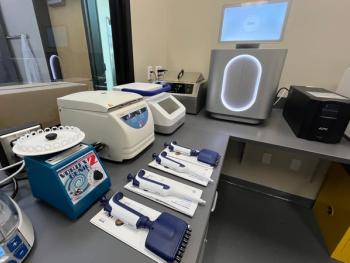
A new collaboration with genomics company LeafWorks gives the supplement manufacturer in-house sequencing capability paired with a commercial analysis platform.

Brevel-Coffeesai collaboration highlights how light-enabled bioprocessing could help ingredient developers address scale, consistency, and supply challenges in coffee-derived products.
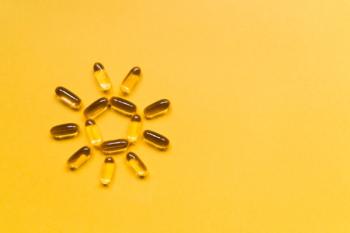
The market intelligence certification highlights continued growth in lichen-derived vitamin D3, as formulators seek alternatives to the lanolin-based sourcing that has long dominated the category.

The product license expands the regulatory standing of an unhydrolyzed eggshell membrane ingredient already supported by a published randomized controlled trial, giving formulators a new market for beauty-from-within positioning.

At The Outlook on Women's Wellness conference, Dr. Julie Russak laid out the clinical evidence tiers behind nutricosmetic ingredients, the biological case for an inside-out approach, and why she believes the next decade of skin longevity science will be built around a concept she calls "skinspan."

Nutrafol's chief medical advisor Heather Woolery-Lloyd, MD, explains how DHT, stress, nutrition, and inflammation all shape follicle function in men.

The newly issued patent protects compositions combining a standardized black seed oil ingredient with astaxanthin, building on published research into the pair's synergistic effects on inflammation and antioxidant activity.

Mike DeMarco on why building general activity comes before any intense training program, and how a simple phone app often delivers the wake-up call.

A nonprofit advocacy group and several supplement companies argue that statements published on government health agency websites should qualify as the basis for new disease-risk reduction claims, a position the FDA has long rejected for supplements specifically.

Sonoran University of Health Sciences will honor the United Natural Products Alliance founder for more than four decades of work that helped establish the regulatory framework still governing dietary supplements today.
Mike DeMarco, wellness coach with MJH Life Sciences, has built his foundation around protein, creatine, and a multivitamin for years, but it's the mindset reinforcement that keeps him coming back to them.
From cutting volume to building a race-specific running base, Mike DeMarco breaks down how he restructured his training for HYROX, and why the lessons apply well beyond the race format.
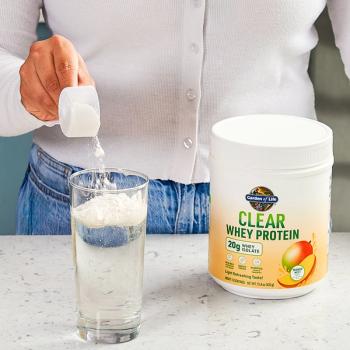
The launch signals supplement brands moving into a growing segment of the protein market defined by water-mixability and low-calorie profiles.

L Catterton's lead investment in a dermatologist-built skincare brand signals continued institutional appetite for science-backed personal care, with implications for how finished product manufacturers are positioning clinical credibility in the consumer market.

With 7 US states having enacted packaging extended producer responsibility laws and more on the horizon, a new cross-industry guidance document offers a standardized approach to the packaging data management requirements that are proving to be a significant operational challenge for finished product companies.

Emerging science presented at a major NAD+ metabolism conference is shifting attention from simply raising NAD+ levels toward preserving them, and botanical approaches targeting the CD38 enzyme are at the center of that discussion.

The appointment of a finance executive with deep investment banking and growth equity experience signals a shift toward a more capital-intensive phase for the Austin-based wellness ingredient supplier.

A randomized controlled trial in patients with established coronary artery disease found that daily MK-7 supplementation was associated with nearly one-third less progression of coronary artery calcification compared with placebo over 24 months.
In the latest episode, Nicholas Saraceno discusses emerging evidence linking premature menopause to cardiovascular risk, while exploring why experts are calling for more targeted clinical research in menopause-focused nutrition products.
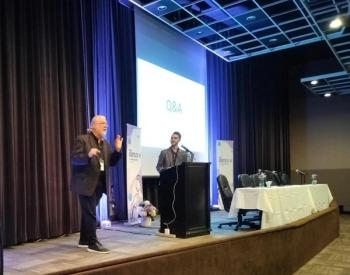
From S-equol to bioactive collagen peptides, a session at The Outlook on Women's Wellness conference mapped the clinical evidence and practical formulation considerations for a growing class of bone-supportive ingredients.

A UK Biobank analysis of more than 272,000 participants challenges the narrative that omega-6 fatty acids promote obesity.