

A state-level enforcement probe citing third-party testing data, and the industry's methodological objections to that data, raise compliance and quality control questions for finished product manufacturers.
Nicholas Saraceno is the Senior Editor of Nutritional Outlook.
A state-level enforcement probe citing third-party testing data, and the industry's methodological objections to that data, raise compliance and quality control questions for finished product manufacturers.

As creatine innovation evolves beyond traditional gym performance, manufacturers are developing clinically supported formats aimed at brain energy metabolism, cellular resilience, healthy aging, and GLP-1-associated muscle preservation.

The FSA and FSS authorization of a standardized tetrahydrocurcuminoids ingredient for use in food supplements expands the market access case for a curcumin derivative with a distinct stability and bioavailability profile.

Voluntary pledges from accreditors and medical schools to increase nutrition education may gradually shift how physicians engage with diet-based and supplement interventions.

The development underscores continued innovation in plant-based sweetener development and regulatory review.

A new PLT Health Solutions-Alethios collaboration focused on decentralized clinical research reflects growing demand among nutraceutical manufacturers for product-specific evidence.

The veteran consumer packaged goods executive is now at the helm of one of Canada's largest natural health product distributors as the sector continues to evolve.

The new lion’s mane mycelium ingredient from Nammex enters the cognitive health category with a focus on analytical verification and standardized erinacine A content.

New research examining the taste chemistry of Chardonnay grape marc suggests that whole-food ingredient systems may influence bitterness, astringency, and formulation complexity.

New clinical findings involving Lactiplantibacillus plantarum 299v reflect growing interest in population-specific probiotic validation and microbiome research across Asian markets.

From mitochondrial health and omega-3s to PMOS, botanicals, and preconception nutrition, emerging research is reshaping how the natural products industry approaches fertility and women’s health.

In an interview with Nutritional Outlook, Sameena Rahman, MD, a board-certified OB/GYN, discusses why the shift from Polycystic Ovary Syndrome to Polyendocrine Metabolic Ovarian Syndrome reflects growing recognition of the condition’s links to insulin resistance, inflammation, cardiovascular risk, and lifelong metabolic health.

From hormonal wellness and sports recovery to delivery technologies and Ayurvedic positioning, fenugreek is gaining attention across multiple women’s health categories as manufacturers explore multifunctional botanical formulations.

The company’s 2025 sustainability report outlines progress in sustainable crop sourcing, ingredient circularity, and agricultural waste reduction as food and nutraceutical manufacturers continue emphasizing supply chain resilience and environmental accountability.

A new collaboration between Lallemand Health Solutions and Université Laval will explore how microbiome-targeted interventions may support healthy aging, immune function, and metabolic health as demand for evidence-backed longevity solutions continues growing across the nutraceutical industry.

New funding and recent FDA approval activity are highlighting a growing industry interest in fermentation-derived natural colors.

In the debut episode, Nicholas Saraceno discusses emerging research on histamine intolerance, including the microbiome’s potential role, limitations surrounding DAO testing, and why diagnosis remains controversial.

The Dietary Supplements Access Act proposes expanding tax-advantaged healthcare accounts to include eligible supplements, reflecting growing attention on preventive wellness and consumer-directed health spending.

Recent molecular research finds an inter-organ communication pathway facilitated by aged garlic extract, revealing a potential mechanism for addressing age-related muscle decline.

In this preview of the upcoming The Outlook on Women's Wellness, Gene Bruno, DBM, MS, RH(AHG), Chief Scientific Officer with Nutraland USA, discusses why effective bone health formulations must evolve beyond traditional ingredients, prioritizing life-stage-specific support and the critical need for more clinical research on women.

A 12-week pilot study in older adults found krill oil supplementation improved omega-3 status and showed preliminary signals related to pain reduction and mobility support.

In the final part of her interview with Nutritional Outlook, Amy Summers, founder and president of Pitch Publicity, discusses how ingredient and supplement brands can use AI to simplify scientific communication without sacrificing authenticity, strategic thinking, and consumer trust.

The recognition for Ashwa.30 at the Barcelona show highlights a broader industry interest in clinically studied, low-dose botanical ingredients targeting sports nutrition, stress support, and active lifestyle formulations.
In the second part of her interview with Nutritional Outlook, Amy Summers, founder and president of Pitch Publicity, discusses how supplement brands are balancing science with relatable storytelling, while adapting their messaging strategies to meet rising consumer expectations around transparency, trust, and digital accessibility.
In the first part of her interview with Nutritional Outlook, Amy Summers, founder and president of Pitch Publicity, explains why offering professional guidance should be integrated into every manager’s workflow, especially in the natural products industry.

The company’s new agentic AI tool is designed to help the nutraceutical industry streamline ingredient evaluation, product development, and commercialization decisions.
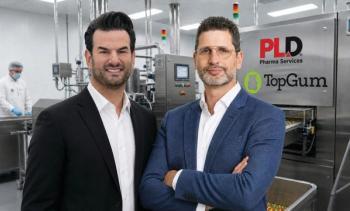
The acquisition strengthens the gummy supplement manufacturer North American production capabilities and positions the company for continued growth in functional delivery formats.

Once a lesser-known category, postbiotics are quickly emerging as targeted, science-backed ingredients with applications spanning immunity, beauty-from-within, and stress support, reshaping the future of biotics innovation.

The ingredient supplier is advancing a broader longevity platform centered on pairing mechanistic aging science with clinically measurable benefits in mobility, cognition, and performance.

The trade association urges FDA to formalize flexible labeling practices, arguing that current ambiguity around DSHEA disclaimer placement is driving litigation risk and regulatory uncertainty.