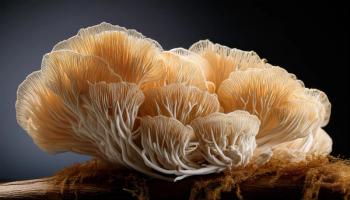
Live from the Future Nutra Innovation Summit, Kerry Hughes, founder and president of Ethnopharm, explains why botanicals' complex compound networks represent nutrition's next innovation frontier.
The recognition for Ashwa.30 at the Barcelona show highlights a broader industry interest in clinically studied, low-dose botanical ingredients targeting sports nutrition, stress support, and active lifestyle formulations.
At Vitafoods Europe, Natural Remedies’ Ashwa.30 received the Innovation Award in the “sports nutrition & active lifestyle ingredient” category, reflecting increasing commercial and scientific attention on adaptogenic ingredients positioned for performance, recovery, and stress-related applications.1
The award comes as supplement manufacturers face growing pressure to differentiate formulations with clinically characterized ingredients that can fit into multiple delivery formats, including gummies, powders, beverages, and combination products. There is also rising interest in lower-dose botanical ingredients that may offer formulation flexibility while aligning with consumer demand for convenience and simplified dosing.
“This recognition reflects the growing global relevance of clinically validated botanical solutions," noted a spokesperson for Natural Remedies. "Our achievement at Vitafoods Europe reinforces Ashwa.30’s scientific credibility, its differentiated positioning in a crowded market, and its profound impact across global regions.”
Ashwa.30 is a root-derived ashwagandha extract standardized to 30% Ashwa Bio-Active Complex, including withanolides and what the company describes as
Ashwagandha has become one of the most commercially visible botanical ingredients in the stress management and active nutrition categories. Traditionally associated with Ayurvedic medicine, the ingredient has increasingly been studied for exercise performance, fatigue management, perceived stress, and recovery support.
Several published trials on ashwagandha extracts have reported potential effects on cardiorespiratory fitness, muscle recovery, sleep quality, and stress biomarkers, although outcomes vary depending on extract composition, dose, and study population.2
Recent research involving Ashwa.30 evaluated 66 healthy adults in a randomized, double-blind, placebo-controlled trial over eight weeks. Investigators reported improvements in maximal oxygen uptake, exercise tolerance, and reductions in fatigue-associated markers compared with placebo.3 The study also reported favorable tolerability findings, with no serious adverse events identified.
For finished product manufacturers, lower-dose ingredients may provide advantages in product design, particularly in multi-ingredient formulations where capsule space, flavor profile, or serving size can become limiting factors. Low-dose actives may also support innovation in gummies and ready-to-drink applications, where ingredient loading can affect texture and stability.
The sports nutrition and active lifestyle categories have increasingly shifted toward clinically substantiated ingredients as retailers and consumers seek stronger scientific support for performance-related claims. In botanical categories, manufacturers also face scrutiny regarding standardization, consistency, and bioactive composition.
Ashwa.30 was developed using what the company calls Bio-Optimized Technology, a proprietary extraction approach intended to concentrate bioactive fractions within the ingredient.
While proprietary technologies are common in the nutraceutical sector, experts generally note that clinical outcomes remain more important than extraction terminology alone when evaluating ingredient quality and reproducibility.
The ingredient’s recognition at Vitafoods Europe 2026 also reflects broader market trends surrounding stress and performance convergence. There has been growing overlap between cognitive wellness, active nutrition, and stress-support categories, particularly as consumers increasingly associate physical performance with sleep quality, mood, and recovery.
Although ashwagandha continues to generate commercial and scientific interest, several limitations remain within the existing body of evidence. Many published studies involve relatively small sample sizes, short intervention periods, or industry funding. Differences between extracts, standardization methods, and outcome measures also make comparisons across trials difficult.
Regulatory considerations remain another important factor for manufacturers. In the United States, botanical ingredients marketed in dietary supplements cannot be promoted as treatments for diseases, and structure-function claims must remain supported by appropriate evidence and regulatory compliance requirements. The European Union has also maintained ongoing scrutiny regarding health claims associated with botanicals.
Further research may help clarify optimal dosing ranges, long-term safety, and mechanisms related to exercise physiology,
References
1. Natural Remedies’ Ashwa.30 clinches prestigious Innovation Award at Vitafoods Europe 2026. Natural Remedies. May 18, 2026. Accessed May 18, 2026. Press release provided via email.
2. Lopresti AL, Smith SJ, Malvi H, Kodgule R. An investigation into the stress-relieving and pharmacological actions of an ashwagandha (Withania somnifera) extract: a randomized, double-blind, placebo-controlled study. Medicine (Baltimore). 2019;98(37):e17186. doi:10.1097/MD.0000000000017186.
3. Prajapati H, Satia M, Shah D, Basera I, Shah T. Efficacy and safety of low-dose ashwagandha supplementation on exercise endurance: a randomized, placebo-controlled, double-blind, clinical trial. Phytother Res. Published online March 17, 2026. doi:10.1002/ptr.70178.