A new gummy portfolio from ingredient and delivery-format supplier SIRIO Europe illustrates how quickly creatine is being repositioned for general wellness consumers.
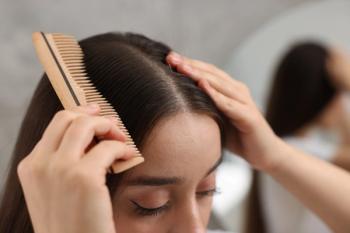
As the science around male pattern hair loss expands past a single hormonal pathway, ingredient suppliers and finished brands can utilize a variety of tactics to meet the demands of this growing health benefit category.
For decades, clinicians and scientists have linked hair loss in men to elevated activity of dihydrotestosterone (DHT), a male sex hormone produced from testosterone, along with 5α-reductase, which can behave as a catalyst by converting testosterone into DHT.1 High levels of DHT are known to shrink hair follicles and shorten the hair growth cycle, leading to hair loss. A commonly prescribed treatment for hair loss is finasteride, a 5α-reductase inhibitor. That said, DHT is only one factor to consider when approaching hair health in men.
“Obviously in men, DHT is important, but we know that many factors influence our hair health,” noted Heather Woolery-Lloyd, MD, a board-certified dermatologist and chief medical adviser for Nutrafol. She explains that additional factors shaping hair follicle function in men include inflammation, oxidative stress, metabolism, and sleep. Removing DHT’s traditional focus allows more opportunity to get to the root of the problem, pun intended.
Products designed to support men’s hair health can therefore address either the hormone side of the story, or the various other factors involved, or perhaps even both. The most important thing at the end of the day is whether you have the data to back them up.
One example of an ingredient that addresses the hormone side of the male hair loss story is an extract of Ageratum conyzoides, also known as billygoat weed, called HairAge (Saanroo).
Clinical data on the ingredient has shown “a statistically significant reduction in type 2 5α‑reductase expression in males, directly confirming modulation of the key androgen-DHT pathway in vivo,” along with boosted hair density and less hairline recession spanning both topical and oral formats.2-4
An example of an ingredient addressing mechanisms other than hormones is Kyoh (Pharmactive), a botanical extract of Eruca sativa standardized to at least 1.5% Erucosides, a key bioactive found in the plant.
“Preclinical evidence suggests that Kyoh may help support follicular function without interfering with androgen metabolism, as it has not been shown to affect the genetic expression of 5α-reductase enzymes,” explains Carlos Rodriguez, Pharmactive’s communications manager. “Instead, the nonhormonal mechanism is associated with increased NRF2 gene expression, a pathway commonly associated with the regulation of the body's endogenous antioxidant defense systems.”
Rodriguez describes this as a shift from category convention. “We believe the industry has an opportunity to move from a ‘blocking’ narrative to a ‘support’ narrative, one that emphasizes maintaining a healthy follicular environment and supporting the natural hair cycle.”
As a finished product company, Nutafol sees the value of combining hormonal and nonhormonal strategies through multi-ingredient formulations. Its Men 50+ product, for example, targets the male demographic 50 years and older, and contains vitamins, minerals, and 2 different proprietary ingredient blends. It is around these blends of ingredients that Nutrafol builds its legitimacy.
“I think ingredient studies are really interesting, but the final formulation studies are probably the most important to me as a dermatologist,” she said, pointing to Nutrafol's 26 published clinical studies, 3 of them randomized controlled trials, as her litmus test for recommending a product to patients.
One multicenter, randomized, double-blind, placebo-controlled study5 evaluating Nutrafol Men's Capsules over 6 months found statistically significant improvements in hair growth and hair quality in the active group compared with placebo, with visible gains in scalp coverage across multiple stages of the Norwood-Hamilton balding scale. Eighty-five percent of subjects in the active group reported the supplement was effective in slowing their hair thinning, compared with 55% in the placebo group, and the study reported no compromise in sexual performance, an outcome researchers highlighted given the known adverse effect profile of finasteride.
Using substantiated ingredients is key to high-quality formulations, but brands like Nutrafol demonstrate that it may also be worthwhile to demonstrate the effects of the finished product if you are using multiple high-quality and substantiated ingredients.
History has shown that getting men to actually join the hair thinning conversation has been more difficult than actually retaining them.
"In the past, men were more reluctant to seek options for hair thinning or hair shedding," Woolery-Lloyd said. However, she observed that a shift in her own practice had begun to take place, with men gradually starting to initiate the conversation, whether it was younger patients who are getting out in front of early thinning or the older demographic simply trying to keep what they have.
Once men take the leap, company data indicate that they tend to stay. “We know that at Nutrafol, we see strong loyalty among the male customers, and their 12-month lifetime value is almost 40% higher than our women subscribers,” Woolery-Lloyd noted.
Saanroo’s Maggie McNamara, vice president of global marketing, links brand loyalty back to substantiation. “Clearly communicating the science, substantiating claims with human clinical research, and setting realistic expectations for results can help consumers make informed decisions and build confidence in a product.”
23 days ago
Formulating for Joint Structureabout 1 month ago
Fiber vs Prebiotics: Why the Difference Matters8 months ago
Supporting Thyroid Health with Iron