Live from SupplySide Global 2026, Nutritional Outlook’s Nicholas Jacobus speaks with Brian Metzger, vp of business development and sales at Prosur Inc., about how the Make America Healthy Again movement is accelerating clean-label reformulation.
At SupplySide Global 2026, a certifier of wild-harvested ingredients and an organic ingredient supplier discussed drought, yield loss, and partnership models for resilient sourcing.
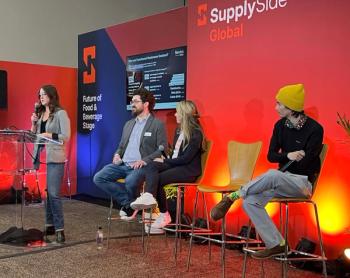
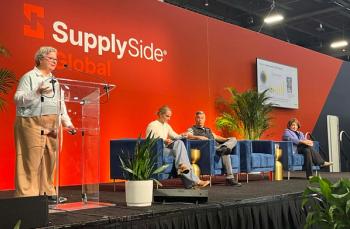
Climate pressure on wild-harvested and cultivated ingredients is raising supply risk for supplement and consumer packaged goods (CPG) manufacturers, according to two speakers at SupplySide Global 2026. Duffy Hayes, managing editor of SupplySide Journal, moderated the session, which opened with an HerbalGram observation that 1 to 2 degrees of warming is already changing ecosystems. Sarah Vito, North American business development at FairWild, a Switzerland-based nonprofit that certifies wild-harvested ingredients, covered wild sourcing. Patrick Wilhelmy, sales specialist at Tradin Organic, covered cultivated supply chains.
Vito said many ingredients are wild-harvested because they cannot be grown another way or because communities have a tradition of collecting them. Her examples were baobab, which is entering the food industry, gum arabic, and shea, used in cosmetics. She said these supplies rely on biodiversity for resilience, and that drought and major flooding can wipe out areas. "Anything that you see as a problem in cultivation likely is also a problem in wild harvesting," she said. Vito stated that deserts and tropical rainforests face particular pressure, but many landscapes are affected.
She highlighted that rural collectors are more vulnerable because they don't always have a larger community to support them after a devastating loss. Climate-driven pressure can also heighten tension and desperate acts, she said, raising the risk of exploitation of people and land.
Vito said that though FairWild leaves analytical methods for harvest consistency to operators, it audits best practices and works with operators to improve their systems to ensure growth and that brands certified by FairWild can cite fair treatment of collectors and their relationship with the land. She also stated that consumers are showing interest in the story behind a product, and that a good story can help tip a purchase decision, though economics also motivates buyers.
Wilhelmy said early blooms, late frosts, heavy rain, and drought are reducing yields and predictability and increasing risk for companies. He added that manufacturers face demand for organic, clean-label, functional, and affordable products while contending with climate, geopolitical, and fuel-cost risks. Disruptions can cause misproduced or missed launches, quality, and regulatory problems, and higher spot-purchasing prices.
As example, he said that this year, tropical-belt crops have been hit hard by what he called a "super El Nino." Mexico and Peru had short mango seasons, which he attributed in Peru to warm nights that prevented flowering. Banana, dragon fruit, and cocoa were also affected, and he noted cocoa as a product that has added pressures as well.
“Ultimately, as a broker supplier, what we recommend as much as possible is moving away from transactional linear spot purchasing into a much more strategic supply ecosystem,” Wilhelmy stated. “There are a lot of buzzwords in there, but ultimately, what we're just saying is partnership.” Wilhelmy described 3 supply models: independent, transactional purchasing; partnerships with volume commitments and technical services; and fully integrated arrangements involving asset ownership, investment, and committed volumes. In order to better support suppliers with what they need to grow and improve practices, Tradin Organic uses development finance and technical services arms, sometimes with NGOs and development banks.
For case studies, he cited a Peru project replacing slash-and-burn farming with agroforestry for cocoa, citrus, and ginger; a Sierra Leone cocoa project aiming to reach about 5,000 farmers across about 2,000 hectares; and a 3-year Indonesian coconut sugar project that adds dwarf coconut trees and efficient cook stoves, with a US brand customer, Purely Elizabeth, sharing the story in its marketing. Development banks take part, he said, because the work is a standard business loan that also supports their sustainability goals.
Wilhelmy recommended mapping ingredients and supply chains to locate climate, geopolitical, and tariff risk concentration; qualifying backup origins and varieties; and partnering upstream on key ingredients. He said it is not realistic for every CPG brand and manufacturer to build a financing arm, but they can work with partners that have them. He warned that purely transactional buying raises the chance a given ingredient is unavailable in a given year.
“It’s a huge opportunity for us in the industry to impact the world in a meaningful way, and in a way that's material to your business,” he concluded.