




Beneo says its Isomalt sugar-replacer technology will now allow “multi-colored gum centers to be coated in a crunchy and translucent way.”
Beneo says its Isomalt sugar-replacer technology will now allow “multi-colored gum centers to be coated in a crunchy and translucent way.”

Which emerging markets for probiotics should we keep an eye on?

LabDoor reports on green tea findings.

The category is still notable, especially in global markets.

JÙS by Julie, a maker of healthy juices and shots, has unveiled the first-ever cold-brew coffee containing probiotics.

In Europe, confectioners are increasingly turning to fruit and vegetable concentrates as natural flavors, colorants, and ingredients overall.

Can ion-polarization technology help drink manufacturers cut their use of ingredients like added sugar?

Drinking yogurts and fermented beverages are moving forward with new formats and target markets, says Innova Market Insights.

With partnerships building around algae ingredients for food purposes, will we see more use of these ingredients in the near term?

Traditional iron supplements can be off-putting due to a strong metallic taste, and they can also be hard to digest, leading to side effects like nausea and constipation. Microencapsulation may help.

Researchers found that patented probiotic Ganeden BC30 was able to survive the manufacturing and preparation of pasta without affecting the characteristics of the pasta.
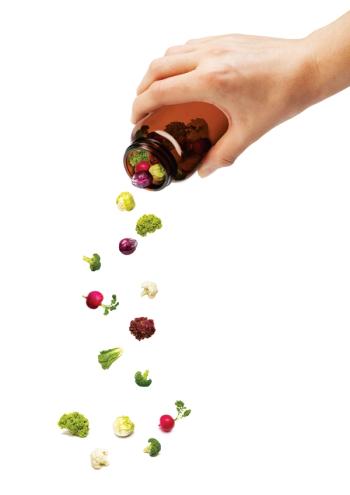
What makes a supplement genuinely “whole food”? And why is this category growing twice as fast as traditional supplements?

Relizorb, a “first-of-its kind digestive enzyme cartridge designed to mimic the normal pancreatic function,” recently received FDA approval.

Researchers at Johns Hopkins University School of Medicine found sulforaphane sourced from broccoli sprouts and broccoli seeds may be equally bioavailable.

The new KD-Kap omega-3 is “protected from oxidation and easily mixable in water,” according to KD Omega Health partners KD Pharma and nanoSaar.

The capsules not only give formulators an acid-resistant hard capsule that keeps ingredients protected through the digestive tract; they also do so in a vegetarian-friendly form, without the use of synthetic chemicals, solvents, or other shellac coatings.

Suppliers continue to hone delivery systems to meet consumer demand for better performance and ease of use. Here are just a few examples of new applications we saw at SupplySide West.

By contrast, typically a good-dissolving powder will disperse in 25 seconds, and an average powder will do so within 35-40 seconds, says Dupont Health and Nutrition.

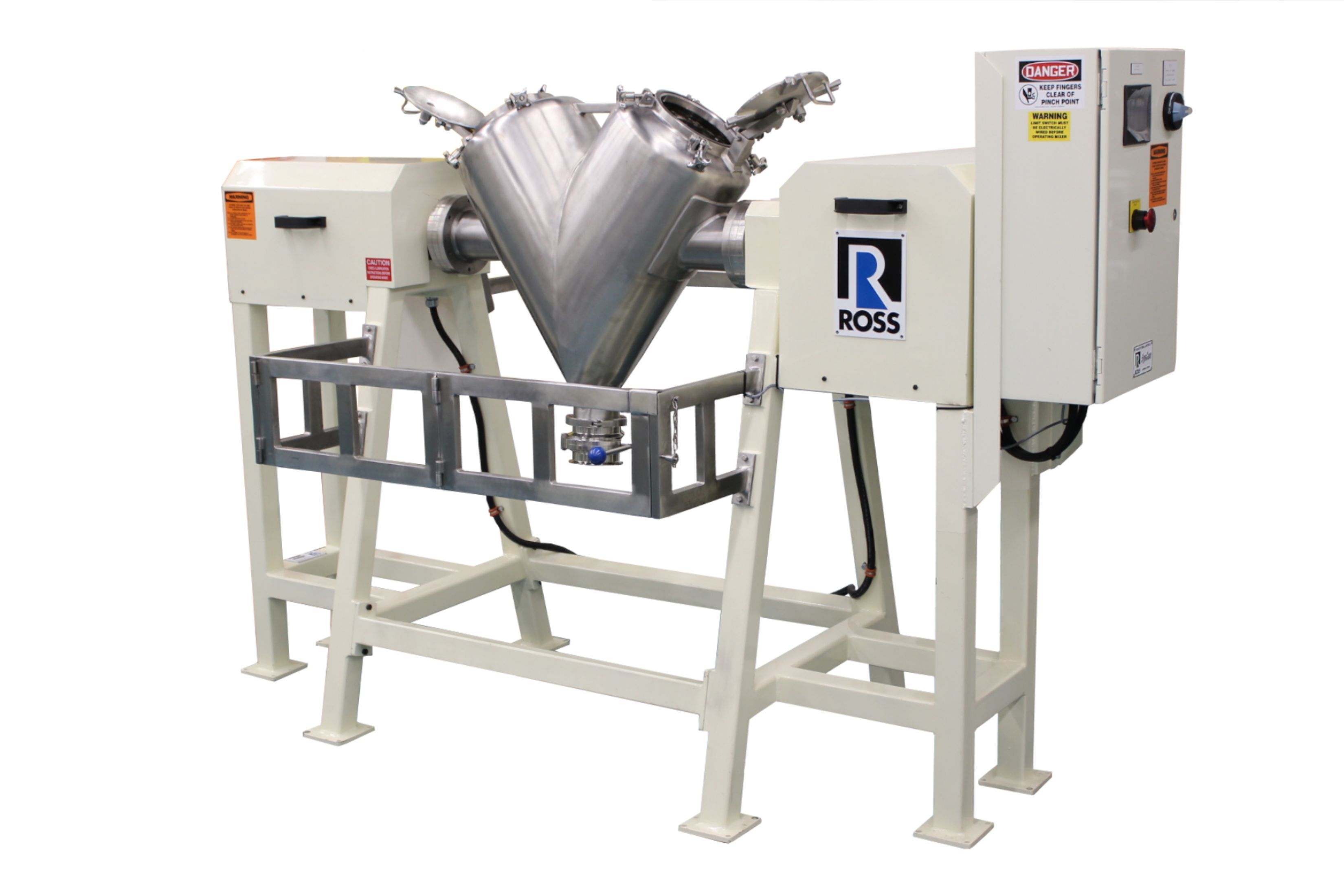
The new 42N-80S ribbon blender from Charles Ross & Son Co. offers customizable features and a maximum working capacity of 80 cu ft.

As natural colors become less of an option and more of a requirement for any health-conscious marketing campaign, what are the biggest challenges of making the switch away from synthetic?
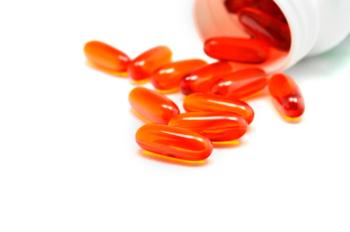
Myriad benefits attract consumers to the softgel format, and formulators are meeting demand with innovations that allow for increased offerings.

Innovative applications and clean-label demands are transforming and revitalizing this supplement industry mainstay.

The company has partnered with Carlisle Precision Machining (Napma, ID).

Pharmachem is sponsoring a seminar to discuss the benefits of its Microbac technology and probiotic research on new health areas.

U.S. dietary supplement manufacturers now have a new colorant option for creating naturally blue, green, and purple tablets or capsules.