






Pharmachem Laboratories' Lactium ingredient can now be delivered in candy form.
Pharmachem Laboratories' Lactium ingredient can now be delivered in candy form.

Harmless Harvest says its new multi-step micro-filtration method for processing coconut water offers improved taste and nutrient preservation.

E-hydrate’s new Kids Protein On-the-Go drink mix contains 10 grams of whey protein.

Researchers in Europe have developed a prototype for bioplastic juice packaging developed from the organic material found in wastewater from the juice industry.

Alter Eco’s new Gone4Good plant-based pouches are designed to decompose within three to six months.
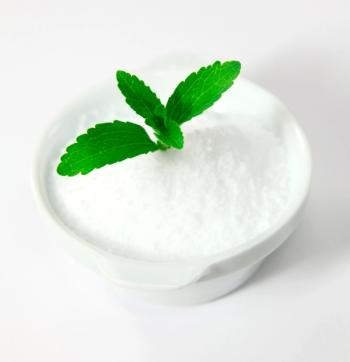
Steviva now offers powdered sweeteners in particle sizes ranging from 30 to 230 mesh.

The blenders are available in sizes from 0.5–1000 cu ft.

American Lecithin Company is rolling out new phosphatidylserine, phosphatidylcholine, and glycerophosphocholine sourced from sunflower.

New consumer research from DuPont Nutrition & Health suggests consumers prefer the flavor of high-protein beverages formulated with both dairy and soy proteins.

The new AquaLox ingredient from PLT Health Solutions is a water-soluble version of the company’s 5-Loxin joint-health ingredient.

Health Canada has approved Ingredion's type-2 quillaja extract for use as an emulsifying agent in a variety of food and beverage applications.
The new Viralex Soothe EpiCor throat lozenges will be available in New Zealand health stores and pharmacies.
The new phosphatidylserine and phosphatidic acids were developed for functional beverages in collaboration with 3i Solutions.

Follow Your Heart says its new VeganEgg is the “first of its kind to scramble, bake, and cook just like a chicken egg.”

NattoPharma says the study “further affirms that MenaQ7 is safe and effective as either a supplement or a functional food.”

At Natural Products Expo West, I spoke to many companies about how the industry is both talking about transparency and acting on it during the past year of negative industry scrutiny.

Formulators are increasingly interested in combining enzymes with probiotics, but what are the challenges?

Applied Food Sciences’ say its new PurTea ingredient provides optimal absorption of green-tea catechins within the body.
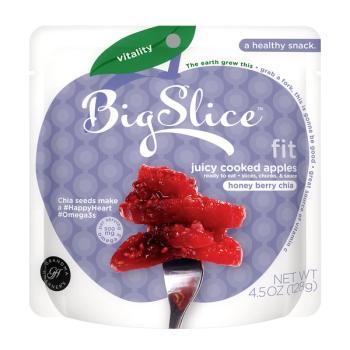
Innovations include the first national organic baby food packaged in transparent pouches.

The vaporizers are disposable, with each vaporizer containing enough vitamin B12 for 14 servings VitaminVape says.

Innova Market Insights gives us a quick look at why, how, and where dietary supplements are launching today.

The add-directly-to-beverage format is a testament to the citrus ingredient’s neutral taste.

Joule, a start-up company out of Toronto, has a unique proposition for getting consumers their daily supply of caffeine: a caffeine bracelet.

Melt, the company behind the new Probiotic Melt Organic Buttery Spread, is marketing the product as good for digestive and immune health.
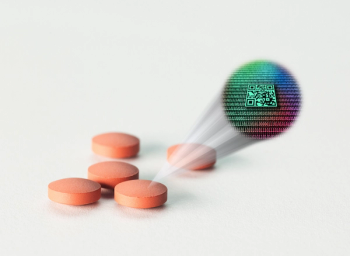
TruTag’s edible barcodes are part of the product itself, including products like food and dietary supplements.