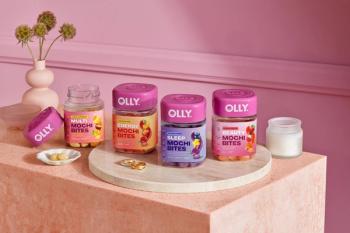
The four-formula line is Olly’s second retailer-exclusive launch this year, following the launch of a probiotic range in April.
The category is still notable, especially in global markets.
The value of omega-3 ingredients may be declining in leading markets, but elsewhere around the globe,
One niche to keep an eye on is the market for omega-3 concentrates. At SupplySide West last October, several key omega-3 suppliers carved out a new sub-category:
Will consumers have an appetite for higher concentrates for higher prices? Time will tell, and category growth also depends on dynamics in other sectors of the omega-3 market. GOED’s communications director, Ellen Schutt, points out that while the total volume of omega-3 concentrate oils was up 3.4% in 2014 over 2013, their value decreased 6.6% at the same time to $667 million due to lower omega-3 supplement usage overall in established markets such as the United States. The silver lining? Consumers in China and emerging markets are starting to demand more concentrates, Schutt adds, beyond the category leaders, the United States and Europe.
Nordic Naturals is one omega-3 brand placing faith in concentrates. Last November, the company launched Omega ONE, an ultra-high concentrate with 80% EPA+DHA (with 90% or more of that in the absorbable triglyceride form).
“Nordic Naturals is seeing consumers who understand what this higher concentration means to them, like less pill fatigue and the opportunity to reach a higher dose of EPA and DHA in fewer soft gels. This can potentially translate to improved compliance and results, provided that the quality, freshness, and purity factors are intact,” says Tone Larson, product development manager, Nordic Naturals. Another plus? High concentrates can reach new audiences, such as practitioners who only want to prescribe higher levels of EPA and DHA in a clinical setting, Larson adds.
Harry Rice, PhD, GOED’s vice president of regulatory and scientific affairs, says there are two more reasons to keep an eye on the omega-3 market overall, especially in the United States. GOED is still waiting to hear back from FDA on whether or not DHA/EPA will be granted a qualified health claim for reduction of blood pressure. Although FDA has postponed its decision three times and could postpone again, Rice says it would be surprising if the agency does not come back with a final decision in 2016.
GOED also continues to hope that EPA/DHA will be selected to undergo an Institute of Medicine (IOM) Dietary Reference Intake (DRI) review. A report from a 2015 DRI workshop held by a U.S. and Canadian assessment group is due this March 2016 and could get the ball rolling for what many hope will one day be a DRI value for omega-3s.
READ NEXT
Also read:
Editor-in-Chief
Nutritional Outlook magazine
jennifer.grebow@ubm.com
over 10 years ago
Probiotic Firms Venture Further Into the Allergy Marketover 10 years ago
Healthy Snack Trends: Bean Chips, Bars, Protein, Seaweed, and Moreover 10 years ago
The Price of Dietary Supplement Contract Manufacturingover 10 years ago
What Does Contract Manufacturing Dietary Supplements Cost?over 10 years ago
Energy Shot Sales Are Slumping. Do Energy Shots Still Have a Chance?over 10 years ago
Which Flavors Are Trending in Energy Drinks?over 10 years ago
Energy Drink Makers Turn to Natural Botanical Ingredients