

The new CocoActiv extract contains 300 times more flavanols than regular chocolate, according to Naturex.
The new CocoActiv extract contains 300 times more flavanols than regular chocolate, according to Naturex.

A new animal study suggests xanthohumol, a flavonoid found in hops and beer, may be effective at decreasing LDL cholesterol and other markers of metabolic syndrome.

The new Memophenol ingredient from Activ’Inside combines French grape and wild blueberry extracts.
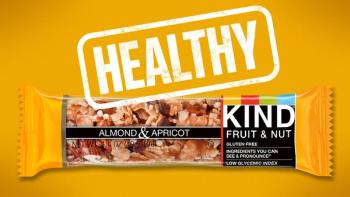
FDA says KIND can continue to use the term “healthy” on its packaging because it is an expression of “corporate philosophy” and not a health claim. Will other companies follow suit?

An 11-year study found that lower activity of vitamin K-dependent proteins (VKDPs) is associated with an increased risk of ischemic cardiovascular disease.

A new online survey commissioned by Lonza suggests most active Millennial consumers are either using L-carnitine currently or would be interested in using it.

The acquisition boosts Lallemand’s profile on the cultures market for cheese and dry meat.

The new health claim applies to foods containing at least 0.5 grams of EPA and DHA combined.

The new Novation Prima 340 and 350 starches provide instant viscosity, process tolerance, and high stability in refrigerated, frozen, and instant foods, according to Ingredion.

Peptan collagen peptides from Rousselot showed dose-dependent benefits to joint health in mice in a new study.
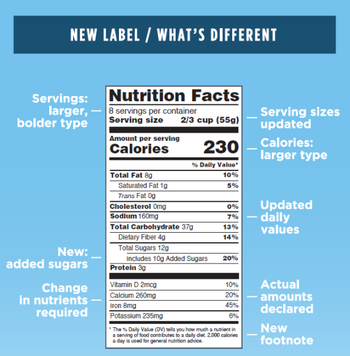
Manufacturers have up to two years to comply with the new label for food and beverage packaging.

There was a 202% increase worldwide in the number of new food and drink launches containing the terms “superfood,” “superfruit,” or “supergrain” between 2011 and 2015.

Sales of non-dairy milk grew by 9% in 2015, while sales of dairy milk decreased by 7%, according to new Mintel data.

New SPINS data shared by the Hemp Industries Association estimates the market for hemp food, supplement, and body care products grew by 10.4% last year.

A new study conducted by Frost & Sullivan explores how widespread daily use of omega-3 supplements among older adults would cut down on hospital events related to cardiovascular disease.

The U.S.-China Health Products Association is organizing the summit, which will take place in Shanghai on June 20.

GOED also suggested certain populations should consume higher levels of EPA and DHA per day, such as pregnant and lactating women or people with high blood pressure.
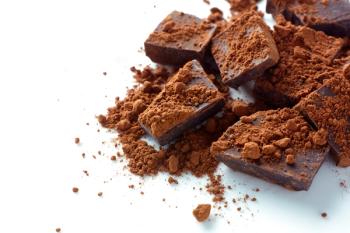
Chocolate makers are betting big on cocoa flavanols, but are consumers tuning in?

Promising early research on astaxanthin looks toward a slew of new health areas.

Harmless Harvest says its new multi-step micro-filtration method for processing coconut water offers improved taste and nutrient preservation.
Arla’s new Maximum Yield campaign aims to raise awareness of eliminating unwanted dairy by-product and/or using dairy by-product as a new raw material.

The Council for Responsible Nutrition, the Natural Products Association, and many others submitted recommendations for how FDA should regulate use of the term “natural.”

The distribution agreement includes Parabel’s Lentein protein, which won an IFT Innovation Award in 2015 for the sustainability of its aquafarming process.

E-hydrate’s new Kids Protein On-the-Go drink mix contains 10 grams of whey protein.

Frutarom’s Portusana purslane extract was found to significantly reduce systolic blood pressure and HbA1c, a marker of blood glucose control, in a new human clinical trial.
The new Bacillus subtilis MB40 from BIO-CAT Microbials is resilient enough for premixes, powders, and baking mixes, with research underway for its use in drinks and extruded foods.

The new Herbal MediaWatch highlights medicinal plant-related articles from a range of mainstream and industry publications, research websites, and blogs.

The first three bulletins cover adulteration information for grape seed extract, bilberry fruit extract, and skullcap, with more to come later this year.

In a recent letter to FDA, Senator Edward J. Markey (D-MA) proposes a new labeling requirement for ingredients that are self-determined as GRAS without FDA review.

Researchers in Europe have developed a prototype for bioplastic juice packaging developed from the organic material found in wastewater from the juice industry.