




The new Laboratory Guidance Document from the nonprofit Botanical Adulterants Program is said to be the first detailed review of laboratory analytical methods of identifying synthetic compounds in grapefruit seed extract products.
The new Laboratory Guidance Document from the nonprofit Botanical Adulterants Program is said to be the first detailed review of laboratory analytical methods of identifying synthetic compounds in grapefruit seed extract products.

What promise does nutrigenetics hold for weight-management dietary supplements?

Researchers at the University of Georgia recently found that lutein and zeaxanthin isomers may help to lower psychological stress levels and reduce serum cortisol.

In a clinical study, the ingredient Fortetropin was shown to reduce serum myostatin levels while increasing muscle size and mass.
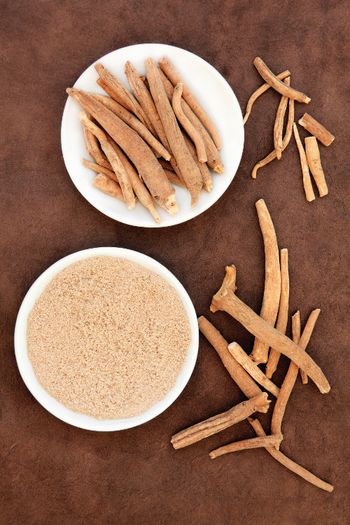
Mild cognitive impairment (MCI) is often an early indicator of Alzheimer’s disease. In this study, researchers found that ashwagandha root may improve memory as well as executive function, attention, and information-processing speed in subjects with MCI.

A new canine study shows that Lonza’s Carniking L-carnitine aids dogs’ exercise performance and recovery.

A new study suggests that obese individuals supplementing with a particular probiotic strain may have greater appetite control and other beneficial behaviors linked to weight management.
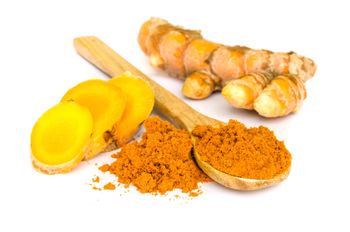
Researchers found that while curcumin alone has long been considered an effective anti-inflammatory, the addition of turmeric essential oils may improve turmeric’s ability to reduce the severity of colitis symptoms.

A new animal study suggests pyrroloquinoline quinone (PQQ) supplementation may stimulate osteoblastic bone formation and inhibit osteoclastic bone resorption.

Researchers in Brazil have found that celiac patients taking a probiotic yogurt may experience a significant increase in gut levels of bifidobacteria.

Recent study results suggest a blend of six probiotic strains may beneficially affect tryptophan-kynurenine metabolism in athletes and reduce incidence of upper respiratory tract infections.

Study participants consumed either a cookie made with Versafibe 1490 or a placebo.

A study recently published in the British Journal of Dermatology shows that both a lycopene-rich tomato nutrient complex (TNC) and lutein may protect skin against UVA/B and UVA1 radiation at a molecular level.

Supplementation both protected elderly subjects against upper respiratory tract infections (URTIs) and reduced the duration of any URTIs that did occur.

Brands are launching more and more oral and topical natural products in the skin health category thanks to the volume of science available to support their efficacy.

A new study suggests MSPrebiotic, a resistant starch, supports and increases endogenous Bifidobacteria levels in the gut in both elderly and middle-age people.
GOED discusses how our understanding of omega-3's role in human health has evolved over time.
Researchers found that most fish oil products on the market in New Zealand do meet regulatory limits for oxidation and label claims about EPA and DHA content.

A new review of 80 human trials investigates antioxidant supplement usage and benefits to irritable bowel syndrome and inflammatory bowel disease.
Last spring, the European Commission authorized an Article 13.5 health claim linking chicory-root-fiber ingredients inulin and oligofructose with improved blood glucose levels. Now, the scientific study on which the health claim petition was based has been published in the European Journal of Nutrition.

With the global astaxanthin market projected to reach $1.1 billion by 2020, scientists are doubling down on research in new health areas.

A meta-analysis recently published in the World of Gastroenterology strengthens previous conclusions about the capacity of ibSium, a yeast supplement from Lesaffre Human Care, to alleviate symptoms of gastrointestinal disorder.

New studies on krill oil, egg phospholipids, and phospholipid-based curcumin

A clinical study demonstrated that the HolisFit polyphenol supplement ingredient improves measures of mental and physical wellbeing in overweight and slightly obese volunteers.
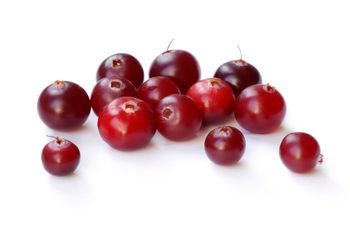
According to the company, both studies, not published, were conducted at Rutgers University using peer-reviewed and published methods.