



Adaptogenic herbs like ashwagandha are making waves in supplement products for stress relief with support from recent research.
Adaptogenic herbs like ashwagandha are making waves in supplement products for stress relief with support from recent research.

Axim Biotech announces that its CanChew Plus CBD gum will be the subject of a new human clinical trial on irritable bowel syndrome.

Sabinsa’s multi-enzyme complex shows potential for a new sports-related application in a recent study.

Strong sales growth and promising research make boswellia and turmeric two of the most promising Ayurvedic herbs to watch this year.

Researchers found that NEM significantly improved several markers of inflammation in rats with collagen-induced rheumatoid arthritis.

Two recent studies suggest that the inactive MGP, a vitamin K–dependent protein, is associated with cardiovascular stiffness in patients with diabetes or chronic kidney disease.

Researchers found especially significant reductions of CHD risk in populations with high triglycerides and high LDL cholesterol.

Fruit d’Or Nutraceuticals and Complete Phytochemical Solutions share new study results that explore the bacteria-disrupting mechanism of action of cranberry proanthocyanidins (PACs).

The authors of a new study published in Pediatrics state that teenagers may not get the advice they need in order to use these supplements properly.

A recent study suggests cow’s milk containing only A2 beta-casein protein-instead of both A1 and A2 proteins-can increase glutathione concentrations in healthy adults.

OmniActive’s Lutemax 2020 was found to improve overall skin tone and skin lightening in a new study of healthy adults with dry skin.

Results of a new study suggest Gnosis’s Quatrefolic, combined with B vitamins, may reduce homocysteine serum levels in subjects with hypertensive risk.

A new study in obese and normal-weight mice suggests Bifodan’s proprietary probiotic strain Lactobacillus rhamnosus PB01 may lessen pain sensitivity.

Children aged 3–10 supplementing with BLIS K12 experienced fewer episodes of streptococcal pharyngitis, flu, laryngitis, and other negative oral-health episodes.

Horphag Research’s Robuvit was found to improve several markers of liver function in patients with moderate functional hepatic failure due to alcohol.

With 2016 nearly over, we look back on our most popular stories of the year.
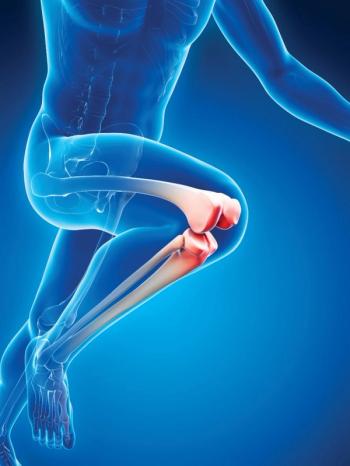
The boswellia extract was found to significantly improve knee pain in healthy adults in a new study, possibly by inhibiting secretion of hyaluronic acid into the blood.

Many of the public comments sent to FDA this week include specific examples of processes that may or may not result in chemical alteration.

Frutarom Health’s Portusana was found to induce translocation of glucose transporter protein type 4, which may help decrease elevated blood glucose levels in diabetes patients.
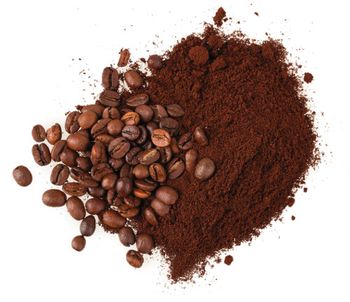
Scientists tell you how to turn food waste into new ingredients.

Omniactive’s Lutemax 2020 was found to significantly increase macular pigment density, photo stress recovery, and disability glare performance.

Researchers found that astaxanthin supplementation improved cognitive acuity, physical sensations of fatigue, concentration, motivation, mood, and stress compared to placebo in a human fatigue model.

Nutrition 21’s Nitrosigine was found to improve participants’ ability in tests requiring mental flexibility, processing speed, and executive function.

The program’s newest educational tools keep stakeholders up to date on botanical adulteration.
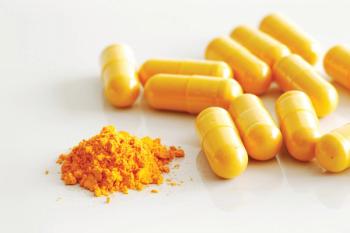
By leading the charge on carbon-dating curcumin, the supplier is helping to guard the natural-curcumin supply chain from adulteration.