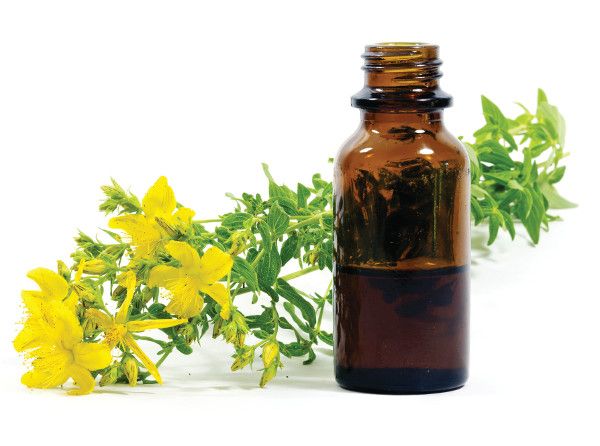



The dyes are used to mask the substitution of authentic St. John’s wort with other Hypericum species, experts say.
The dyes are used to mask the substitution of authentic St. John’s wort with other Hypericum species, experts say.

Of all the ingredients at risk of adulteration in 2017, ginkgo is perhaps one of the most vulnerable.

According to OmniActive, Everstone’s funding made it possible for OmniActive to acquire an 85% stake in Bangalore, India–based botanical extracts supplier Indfrag Ltd.
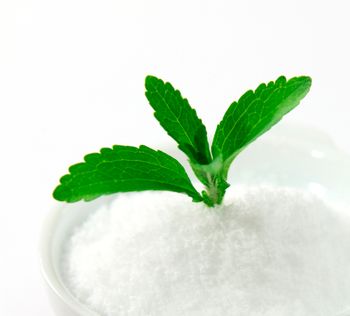
According to Evolva, however, any plans for EverSweet are still contingent upon ongoing negotiations between Evolva and Cargill, which Evolva said it hopes to complete by the spring of this year.

The facility is being used to implement Benexia’s patented MicroTech milling technology, which the company uses to produce ultra-fine, ultra-dispersible chia powders.

Adaptogenic herbs like ashwagandha are making waves in supplement products for stress relief with support from recent research.

Strong sales growth and promising research make boswellia and turmeric two of the most promising Ayurvedic herbs to watch this year.
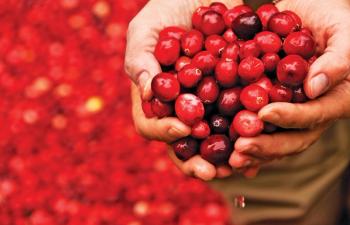
Fruit d’Or Nutraceuticals and Complete Phytochemical Solutions share new study results that explore the bacteria-disrupting mechanism of action of cranberry proanthocyanidins (PACs).

From the stellar growth of boswellia and branched-chain amino acids, to declining sales of whey protein and valerian, here are the supplement ingredients that surprised market experts from SPINS this year.
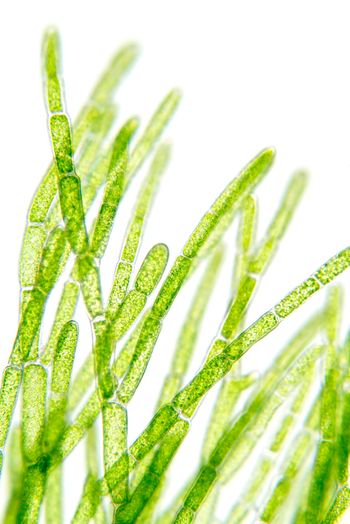
Microalgae producer Allmicroalgae Natural Products S.A. says it is moving to the next stage in its efforts to scale up production of an EPA-rich omega-3 oil derived from the algae species Nannochloropsis oceanica.

Kancor’s OxiKan CLS, a rosemary extract designed to extend shelf life in beverages, recently won a World Beverage Innovation Award at BrauBeviale 2016.

Eric Steenstra, executive director of the Hemp Industries Association, says the news that the DEA is creating a new drug code for marijuana extracts has “been blown completely out of proportion.”

The DEA clarified last week that hemp CBD does indeed fall into Schedule I drug classification of the Controlled Substances Act.

OmniActive’s capsicum and Salacia extracts have both received self-affirmed Generally Recognized as Safe status by an expert panel.

Horphag Research’s Robuvit was found to improve several markers of liver function in patients with moderate functional hepatic failure due to alcohol.
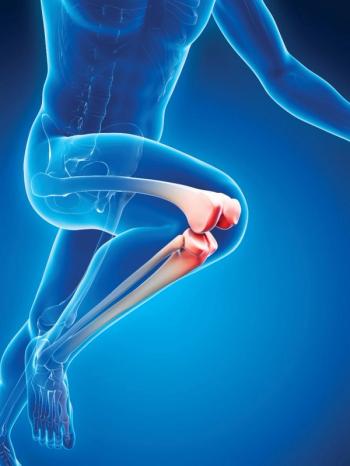
The boswellia extract was found to significantly improve knee pain in healthy adults in a new study, possibly by inhibiting secretion of hyaluronic acid into the blood.
Many of the public comments sent to FDA this week include specific examples of processes that may or may not result in chemical alteration.

In comments responding to FDA’s revised NDI draft guidance, industry trade associations challenge the agency’s stance on nature-identical botanical ingredients.

Frutarom Health’s Portusana was found to induce translocation of glucose transporter protein type 4, which may help decrease elevated blood glucose levels in diabetes patients.

The program’s newest educational tools keep stakeholders up to date on botanical adulteration.
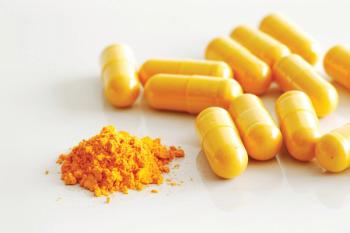
By leading the charge on carbon-dating curcumin, the supplier is helping to guard the natural-curcumin supply chain from adulteration.

Industry leaders offer mixed responses to the DEA’s proposal to reschedule kratom into schedule 1 of the Controlled Substances Act.

Superfruits may not be as trendy as they were ten years ago, but market experts share five key strategies for keeping the category ripe.

Ixoreal Biomed’s ashwagandha root extract was found to produce a significant increase in telomerase activity, which may help ameliorate the effects of aging.

A recent study found cranberry supplementation did not significantly reduce the presence of bacteria in urine in older women, but cranberry experts warn against drawing broad conclusions from the results.