


While agave syrup rose to popularity a decade ago as a sugar replacement, in recent years agave syrup has also come under fire from detractors concerned about the syrup’s high fructose content.
While agave syrup rose to popularity a decade ago as a sugar replacement, in recent years agave syrup has also come under fire from detractors concerned about the syrup’s high fructose content.
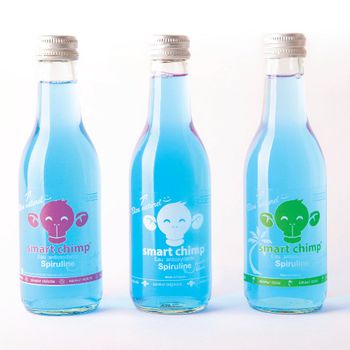
Beverages continue to be the next frontier for marine ingredients. What progress have fish oil and algal-ingredient suppliers made?

New study results suggest Sabinsa's Curcumin C3 Complex combined with BioPerine may offer antioxidant benefits in patients with type II diabetes.

EuroPharma's Terry Naturally Slim-VX1 formulation is based on a unique fiber that’s already been successful in the European weight-management market for several years.

The company has yet another new innovation: a high-quality chia oil that it says retains all of chia’s healthful nutrients due to a special production process.
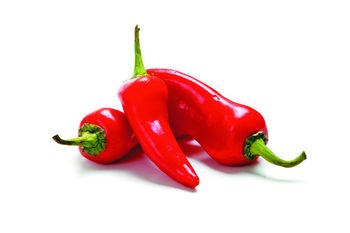
Capsimax has long been known as a thermogenic and an ingredient that increases lipolysis (breaking down fats), but recent studies are confirming additional benefits such as appetite control.

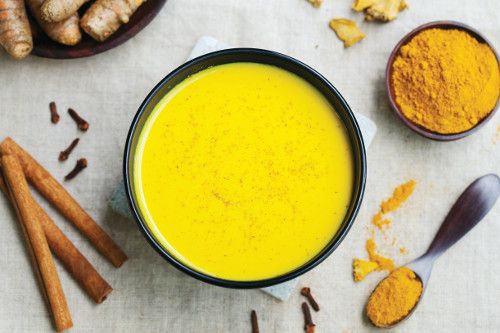
The latest nutricosmetics and cosmeceuticals get back to nature, harnessing everything from Ayurvedic spices to snow mushroom.

From pistachios to peas, emerging ingredients for plant-based milks are opening the category up to additional applications and consumers.

Overcoming the taste and aroma challenges associated with curcumin was an achievement, the company says.

“Not all resveratrol is created equal,” said Angela Tsetsis, Evolva’s senior vice president of health and wellness, in a press release.
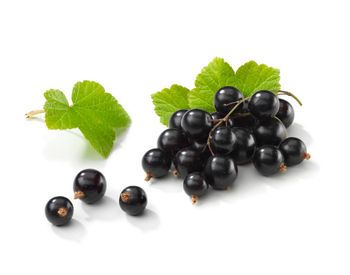
The line includes flavonoid-rich extracts from the following dark fruits: elderberry, aroniaberry, bilberry, cranberry, blueberry, blackcurrant, and others.

New research out of Mexico suggests calcium from Opuntia ficus indica may be effective at improving several markers of bone health in rats.

Researchers found a Fructus-sophorae extract protected against development of collagen-induced arthritis in mice.

New study results suggest Oxyjun, an arjuna extract developed by Enovate Biolife, may increase cardiovascular efficiency and improve cardiac conditioning in young men.

A recent study explores the effects of Movardol, a blend of boswellia, ginger, and N-acetylglucosamine, on symptoms of knee osteroarthritis.

Marketers are finding new opportunities to teach consumers about the benefits of immune-health products.
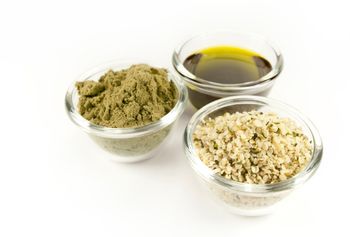
On February 6, the Hemp Industries Association announced it had filed a petition for a motion of contempt against the U.S. Drug Enforcement Administration (DEA), alleging that the agency is unlawfully trying to regulate hemp food ingredients as Schedule I drugs.

A new FTC enforcement policy means homeopathic products may be harder to market going forward.

Cepham has shared soon-to-be-published study results that suggest its BlaMus black-musli extract may be an effective testosterone booster.

Regulatory controversy may continue to follow hemp CBD, vinpocetine, and kratom this year.
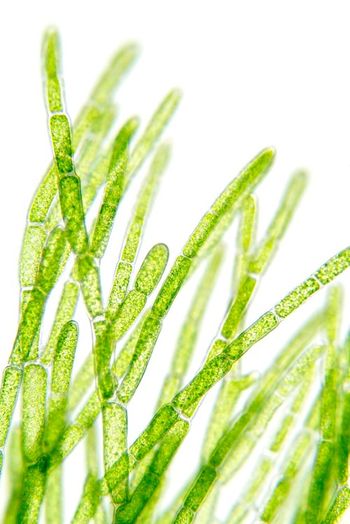
Valensa International has announced an agreement to commercialize Algal Scientific Corporation’s PureAlgal branded ingredients on the U.S. immune-health market.
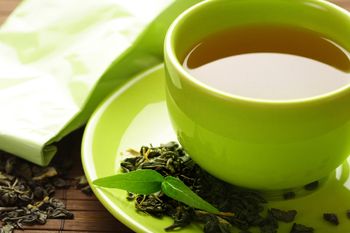
Yay or nay: What does the latest research say about green tea for weight management?

The dyes are used to mask the substitution of authentic St. John’s wort with other Hypericum species, experts say.

Of all the ingredients at risk of adulteration in 2017, ginkgo is perhaps one of the most vulnerable.

According to OmniActive, Everstone’s funding made it possible for OmniActive to acquire an 85% stake in Bangalore, India–based botanical extracts supplier Indfrag Ltd.