


The study found that Kemin’s proprietary Neumentix spearmint extract was more effective than rosmarinic acid alone in attenuating inflammation.
The study found that Kemin’s proprietary Neumentix spearmint extract was more effective than rosmarinic acid alone in attenuating inflammation.

The study evaluated PerfLoad’s ability to improve metabolic homeostasis and physical performance during high-intensity exercises under anaerobic conditions.

The new Laboratory Guidance Document from the nonprofit Botanical Adulterants Program is said to be the first detailed review of laboratory analytical methods of identifying synthetic compounds in grapefruit seed extract products.
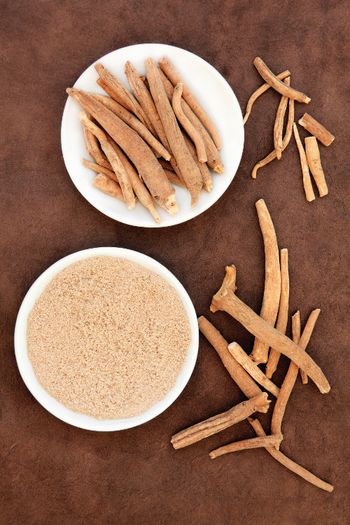
Mild cognitive impairment (MCI) is often an early indicator of Alzheimer’s disease. In this study, researchers found that ashwagandha root may improve memory as well as executive function, attention, and information-processing speed in subjects with MCI.
Health Canada approves Rhema Health’s Curcumin BDM30 targeting joint pain and inflammation.
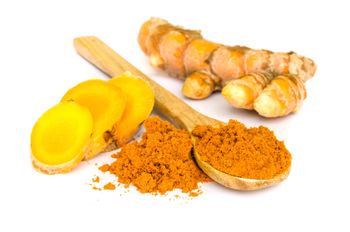
Researchers found that while curcumin alone has long been considered an effective anti-inflammatory, the addition of turmeric essential oils may improve turmeric’s ability to reduce the severity of colitis symptoms.

A study recently published in the British Journal of Dermatology shows that both a lycopene-rich tomato nutrient complex (TNC) and lutein may protect skin against UVA/B and UVA1 radiation at a molecular level.

Brands are launching more and more oral and topical natural products in the skin health category thanks to the volume of science available to support their efficacy.

Quicksilver Scientific’s liposomal delivery systems star in three new launches, including a liquid multivitamin, an energy supplement, and a hemp CBD serum.

Called FlexiGo, the ingredients are derived exclusively from Harpagophytum procumbens and Harpagophytum zeyheri and aim to relieve joint discomfort.

NAXA first announced the certification program in 2016 in order to differentiate astaxanthin products derived from Haematococcus pluvialis from synthetic-astaxanthin ingredients on the market.

Come one, come all…to the plant-based-beverage market.

A new review of 80 human trials investigates antioxidant supplement usage and benefits to irritable bowel syndrome and inflammatory bowel disease.
Last spring, the European Commission authorized an Article 13.5 health claim linking chicory-root-fiber ingredients inulin and oligofructose with improved blood glucose levels. Now, the scientific study on which the health claim petition was based has been published in the European Journal of Nutrition.

With the global astaxanthin market projected to reach $1.1 billion by 2020, scientists are doubling down on research in new health areas.

Is it really true that you need to own your entire supply chain before you can achieve full traceability?

The quick answer is yes. It can be done, and it has been done. Here's how.

A clinical study demonstrated that the HolisFit polyphenol supplement ingredient improves measures of mental and physical wellbeing in overweight and slightly obese volunteers.
Life Extension’s label for Mediterranean Whole Food Blend promotes PhytoClean front and Center, advertising the product as a “farm-to-capsule blend using PhytoClean technology.”
According to the company, both studies, not published, were conducted at Rutgers University using peer-reviewed and published methods.

The process patent lets Applied Food Sciences create a highly water-soluble energy ingredient.
Plus, advancing science to find new ways to measure cranberry’s key actives
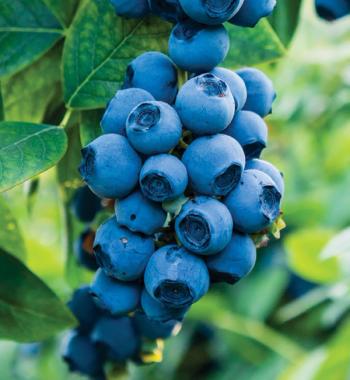
During the upcoming Vitafoods Europe tradeshow in Geneva in May, Naturex (Avignon, France) will launch two new ingredients.

Anagenix specializes in New Zealand-grown kiwifruit-based ingredients that support digestive health.

Finnish organic ingredient supplier Eevia and ingredient distributor Barrington Nutritionals (Harrison, NY) have signed a distribution deal that sees Barrington Nutritionals distributing Eevia’s organic-certified portfolio in North America.