

Scientists tell you how to turn food waste into new ingredients.
Scientists tell you how to turn food waste into new ingredients.

An industry analyst has released its 10 key trends for 2017, including a focus on personalized nutrition, inflammation, and digestive health.
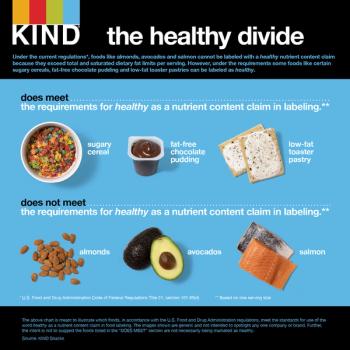
The snacks brand led the way on several key regulatory fronts this year, including successfully petitioning FDA to reevaluate its definition of the term "healthy."

Superfruits may not be as trendy as they were ten years ago, but market experts share five key strategies for keeping the category ripe.

The new PurGinger organic ginger extract and Pur-C organic vitamin C extract are uniquely suited for beverage applications, AFS says.

Non-digestible carbohydrates like Nexira’s Fibregum acacia gum have been granted a new health claim from EFSA that says they induce a lower blood-glucose rise than sugars.

Plant-based foods, evening-oriented formulations, and products that help eliminate food waste will be among the top trends next year, according to Mintel.

The new Nutrilac WheyHi ingredient reduces the risk of fouling in ready-to-drink whey beverages, Arla says.

Under the new agreement for joint development and commercialization, Cellana will supply Piveg with algae from its Kona, Hawaii facility, which Piveg will use in its existing processing equipment and facilities in Mexico.

Innova Market Insights shares its top trends to watch in 2017, including personalized nutrition, sweetening without added sugars, ethnic cuisines, plant-based ingredients, clean-label products, and more.

Dairy-free food and drinks are growing fast. Here’s where.

Better taste, better function, and better sustainability are now at formulators’ fingertips.

The Global Stevia Institute shares new research that found all nine key steviol glycoside molecules were not affected by regular manufacturing processes.

Glanbia Nutritionals launches two new flaxseed sprouted seed ingredients that are heat-treated for enhanced safety and purity.

Natural colors’ biggest opportunities likely lie in kid-centric products, cereals, and snacks.

Consumer demand for natural and clean-label is driving natural sweeteners like stevia. But there’s still lots of opportunity for growth.

Participants consuming breads made from different ancient grains varieties experienced significant reduction to several different cardiovascular disease risk factors.

In North America, sales of probiotic supplements will outpace sales of all other kinds of supplements, including glucosamine, combination dietary supplements, protein supplements, CoQ10, omega-3s, and eye-health supplements, says Euromonitor.

Vega’s new Protein+ snack bars combine pea protein, brown rice protein, nuts, leafy greens, and chicory root fiber.

The short-chain fructooligosaccharide not only serves as a fiber source but also provides functional health benefits as well as formulating benefits such as sugar reduction because the ingredient is 30% as sweet as sugar

The expansion to Prinova’s line of encapsulated flavor includes new capabilities for dry applications and an improved shelf life of up to 42 months.

Ingredion’s new Versafibe series of insoluble dietary fibers are aimed at offering low cost-in-use solutions for a variety of product types with “little to no impact on product texture, flavor, and color.”

Top trends like paleo and gluten-free continue driving the healthy-snacks market.

Immune-health suppliers are focusing on ensuring their ingredients work in as many different product formats as possible.

The company exhibited on its own for the first time at this year’s SupplySide West trade show, where it promoted to the U.S. audience recently launched chia powders designed specifically for beverages as well as for food.