





Consumer demand for healthier food and drink options is fueling growth of the functional-coffee space, where a diverse array of products are proving that coffee and tea are overdue for a major change.
Consumer demand for healthier food and drink options is fueling growth of the functional-coffee space, where a diverse array of products are proving that coffee and tea are overdue for a major change.

This extension is a relief to food, drink, and dietary supplement companies facing the original, fast-approaching compliance date of July 26, 2018.
Algae address today’s demands for plant-based, sustainable ingredients.

NeoCell has launched its new Collagen Cookie Bars, which support hair, skin, nails, and joints.

Leading this market growth are companies dedicated to developing innovative processes and formulations of dairy-alternative food and beverages featuring soy, hemp, and flaxseed, among others.

The ingredient allows manufacturers to replace up to 50% of the dairy protein in beverage formulations without having a negative impact on texture or nutrition.

Steviva Ingredients says it is the first in the natural, high-intensity sweeteners category to implement this new PuRefine process, which effectively removes the need to mask natural sweeteners’ off notes.

Lipophytol is a new, highly concentrated phytosterol ingredient with increased water solubility.

The new technology can be applied to whey-, milk-, casein-, and plant-based ingredients.

Study participants consumed either a cookie made with Versafibe 1490 or a placebo.

Clean-label marketing and “low” and “light” claims drive energy drink interest. Plus: Interest in the energy category is not limited to the energy drinks market alone.

There are slight differences in terms of which of those flavors pair better with dairy (whey) protein versus plant protein.

Will a widening audience give energy products staying power?

The government’s official definition of healthy has not been updated for more than 20 years.

The company says that its chicory root fiber ingredients can provide consumers with benefits like satiety and ultimately help them manage weight.

Come one, come all…to the plant-based-beverage market.

Last spring, the European Commission authorized an Article 13.5 health claim linking chicory-root-fiber ingredients inulin and oligofructose with improved blood glucose levels. Now, the scientific study on which the health claim petition was based has been published in the European Journal of Nutrition.

With the global astaxanthin market projected to reach $1.1 billion by 2020, scientists are doubling down on research in new health areas.

The process patent lets Applied Food Sciences create a highly water-soluble energy ingredient.

Market researcher Mintel and beverage specialist Flavorman talk about the evolution of sports drinks.
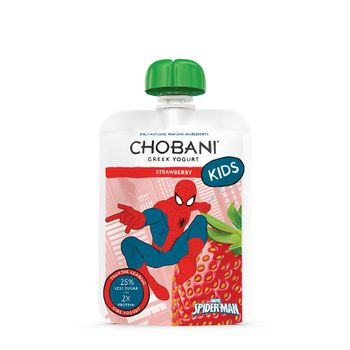
Opportunities in the children’s health products market.

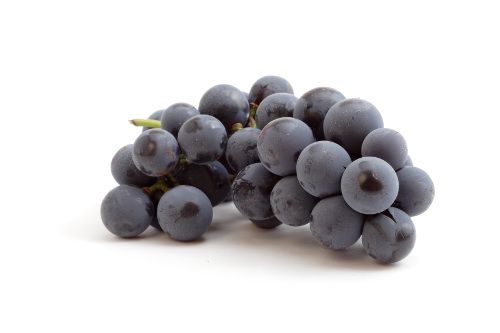
Superfruits are still going strong in the U.S.

While agave syrup rose to popularity a decade ago as a sugar replacement, in recent years agave syrup has also come under fire from detractors concerned about the syrup’s high fructose content.

Bestevia Reb M is produced via an enzymatic conversion process using natural steviol glycosides derived from the stevia leaf.

Beverages continue to be the next frontier for marine ingredients. What progress have fish oil and algal-ingredient suppliers made?