


Are all fermented foods probiotic? Do probiotics delivered in a topically applied skin cream really work? Probiotics expert Ganeden takes us through five of the most common myths surrounding probiotics.

Are all fermented foods probiotic? Do probiotics delivered in a topically applied skin cream really work? Probiotics expert Ganeden takes us through five of the most common myths surrounding probiotics.
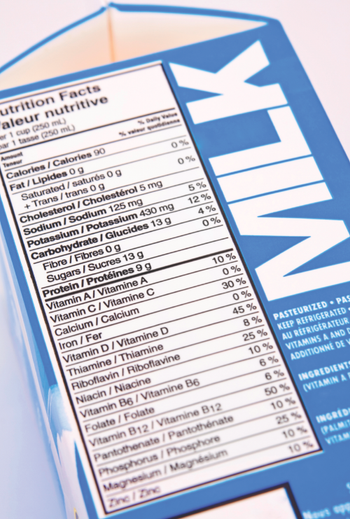
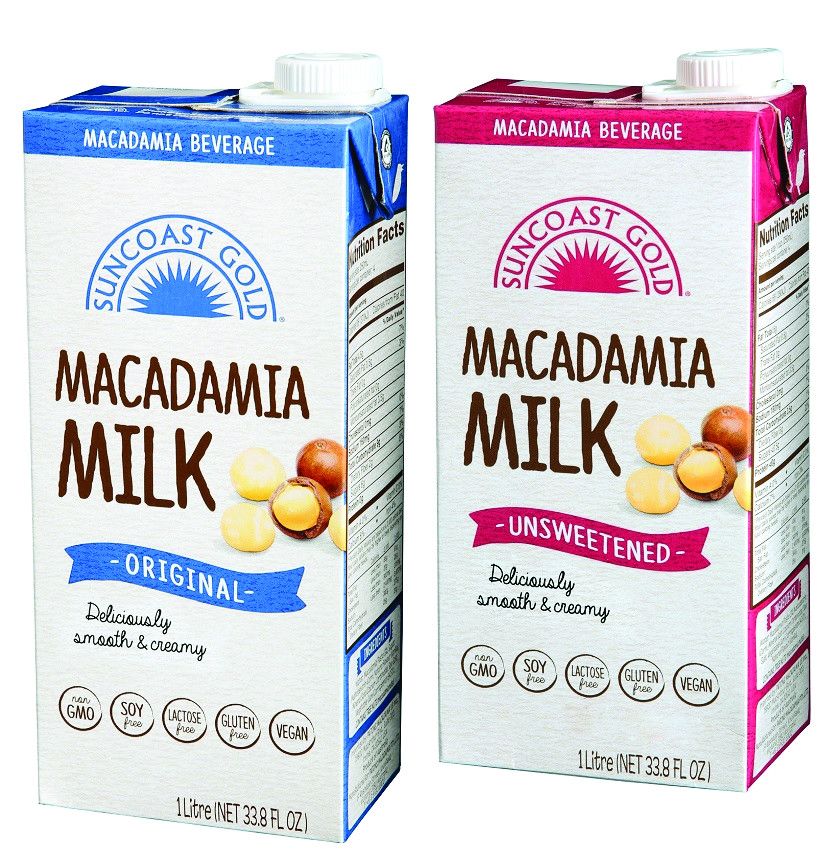
Where I do think dairy representatives have a point is when they argue that consumers could be under the impression that dairy milks and plant-based milks are nutritionally equivalent if both are called “milk.”

FDA draft guidance has given the sodium-reduction movement new life, and ingredients old and new are rising to the challenge.

Food and beverage companies in particular are of high interest to investors, said NCN.

In public comments released today in response to FDA’s recent draft guidance on dietary fiber, two industry associations told the agency that the agency’s criteria for what is considered a dietary fiber are too stringent.

Last year, the EU Commission authorized a new Article 13.5 health claim stating that when non-digestible carbohydrates are used as sugar replacers, these ingredients can induce a lower postprandial blood glucose rise compared to food and drinks containing sugar.

Ganeden says its proprietary probiotic strain is now the first and only spore-forming probiotic allowed to be used specifically in infant formulas.

Researchers in Scotland have announced plans to develop more efficient and cost-effective methods of producing natural blue colorant from spirulina algae.

Innova Market Insights reports that fruit-based snacks are now the number-three subcategory within snacks overall when it comes to new product development.

BASF says its new 10 CWD/O Plus offers a brilliant orange color that may replace azo dyes yellow 5 and yellow 6 in a variety of product types.

The joint venture will initially focus on producing ingredients from the larvae of the Black Soldier Fly, but plans to diversify into mealworms as well.

According to supplier ADM/Matsutani LLC, Fibersol-DLQ is for formulators who want to make a fiber claim but without including a “high percentage of fiber.”
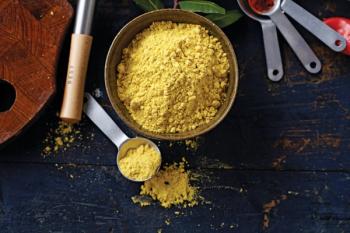
TerraVia's AlgaVia algae portfolio is now approved for food use across North America, the company says.
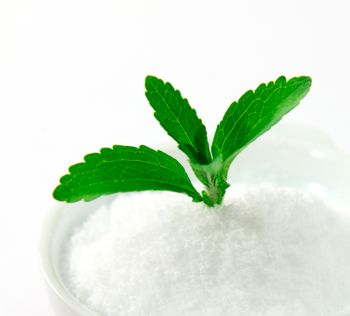
According to Evolva, however, any plans for EverSweet are still contingent upon ongoing negotiations between Evolva and Cargill, which Evolva said it hopes to complete by the spring of this year.

The facility is being used to implement Benexia’s patented MicroTech milling technology, which the company uses to produce ultra-fine, ultra-dispersible chia powders.

Also yesterday, more 130 U.S. food and agriculture industry representatives sent a letter to President Trump specifically asking the President to protect the opportunities of NAFTA.

Strong sales growth and promising research make boswellia and turmeric two of the most promising Ayurvedic herbs to watch this year.

The new guidelines propose a multitude of best practices for the labeling, storing, and stability testing of dietary supplements and functional foods that include probiotics.
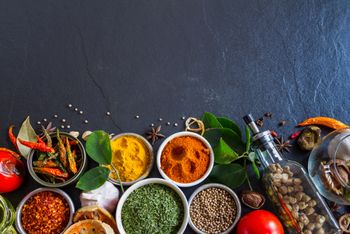
Experts predict 2017’s hottest flavors.

Ingredion will become the exclusive global distributor of SeeGen’s stevia-based sweeteners starting in February.

The new BactoCease NV OR Liquid joins Kemin’s line of buffered-vinegar food-safety solutions.

From cashews and chicory to specialty sodas, the SPINS Product Library Team forecasts 2017’s micro and macro trends.

Foods and beverages, including bakery, nutrition bar, and cereal and pasta products, can now use the claim.

Ingredion looks to leverage TIC Gums’ portfolio of gum acacia and guar ingredients, among others.

A new survey commissioned by PR agency Ingredient Communications found as many as 73% of consumers are willing to pay a higher retail price for food or beverage products made with ingredients they recognize.