



Neptune will quit its bulk krill oil manufacturing and distribution business, with remaining krill oil inventory and IP transferring to Aker BioMarine.
Neptune will quit its bulk krill oil manufacturing and distribution business, with remaining krill oil inventory and IP transferring to Aker BioMarine.
The company says that its new K-Real Gold krill oil features greater levels of highly concentrated omega-3s and astaxanthin and is free of TMAO and TMA.

This standard is the first Codex Alimentarius standard for fish oil as well as krill oil.
Algae address today’s demands for plant-based, sustainable ingredients.

According to the company, the agreement is expected to triple Qualitas’s production, helping it achieve a “critical mass to become a sustainable omega-3 alternative at commercial scale.”

GOED discusses how our understanding of omega-3's role in human health has evolved over time.
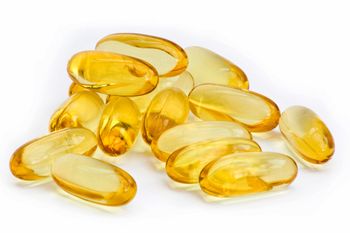
Researchers found that most fish oil products on the market in New Zealand do meet regulatory limits for oxidation and label claims about EPA and DHA content.

With the global astaxanthin market projected to reach $1.1 billion by 2020, scientists are doubling down on research in new health areas.

New studies on krill oil, egg phospholipids, and phospholipid-based curcumin

How omega-3 science has evolved over the past decade

Beverages continue to be the next frontier for marine ingredients. What progress have fish oil and algal-ingredient suppliers made?

The company has yet another new innovation: a high-quality chia oil that it says retains all of chia’s healthful nutrients due to a special production process.

Aker BioMarine celebrated its 10th anniversary at this year’s Natural Products Expo West trade show and spoke about how the supplier helped grow the krill business into what it is today

This recommendation is a positive update to a previous AHA scientific recommendation the association published back in 2002.

The new supplement line is called alGeepa and features Qualitas’s trademark Almega PL algae strain.

After six years of discussion, the Codex Alimentarius Commission, part of the FAO/WHO that develops international food standards, is close to finally adding a fish oil standard to the Codex Alimentarius.

The new vessel for fishing Antarctic krill will be 130 meters long.

Researchers found especially significant reductions of CHD risk in populations with high triglycerides and high LDL cholesterol.
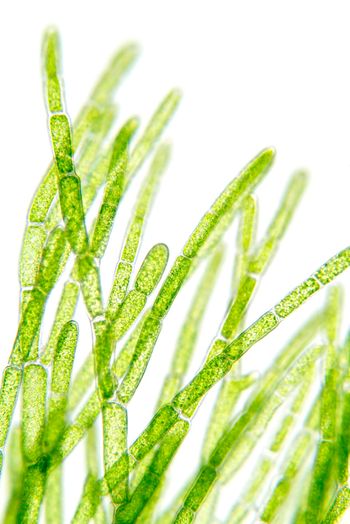
Microalgae producer Allmicroalgae Natural Products S.A. says it is moving to the next stage in its efforts to scale up production of an EPA-rich omega-3 oil derived from the algae species Nannochloropsis oceanica.

GOED has released its third consumer infographic, which covers the different benefits of EPA, DHA, and ALA omega-3s.

Recent study results suggest pregnant and nursing mothers who consumed Benexia chia oil may experience significant increases in certain omega-3 fatty acids in their breast milk and red blood cells.

Under the new agreement for joint development and commercialization, Cellana will supply Piveg with algae from its Kona, Hawaii facility, which Piveg will use in its existing processing equipment and facilities in Mexico.

Mainstream media continue to question the heart-health benefits of omega-3 supplementation, even as positive studies emerge. What’s a supplement shopper to think?

A new animal study finds Sabinsa’s Curcumin C3 Complex combined with EPA omega-3s may attenuate weight loss in mice with colon tumors.
The Commission for the Conservation of Antarctic Marine Living Resources (CCAMLR) agreed last week to establish a sizable marine protected area in Antarctica’s Ross Sea.