In the study, performed in subjects with type 2 diabetes, Sabinsa’s Curcumin C3 Complex together with its BioPerine bioavailability booster demonstrated, for the first time, a reduction in lipoprotein(a), a “protective armor” of LDL cholesterol.


In the study, performed in subjects with type 2 diabetes, Sabinsa’s Curcumin C3 Complex together with its BioPerine bioavailability booster demonstrated, for the first time, a reduction in lipoprotein(a), a “protective armor” of LDL cholesterol.

The claim confirms soybean oil’s ability to reduce the risk of coronary heart disease.

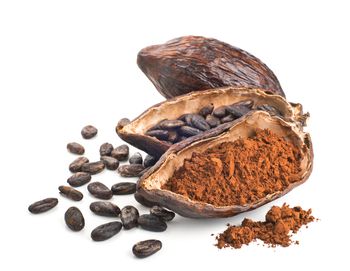
Research shows that even moderate cocoa consumption may benefit heart, brain, and skin health.

ArteroProtect vitaminK2 and octacosanol supplement may lower LDL cholesterol and triglycerides, and raise HDL cholesterol.

Expanding the frontiers of probiotics research to the brain and the heart.

The study evaluated PerfLoad’s ability to improve metabolic homeostasis and physical performance during high-intensity exercises under anaerobic conditions.

The patent-pending supplement is a combination of Kyowa Hakko’s own Setria glutathoine and L-citrulline that research shows effectively sustains nitric oxide levels.

Daily consumption of phytosterols by millions of adults with severe hypercholesterolemia could save the EU €5.3 billion per year in healthcare costs, according to new Frost & Sullivan analysis.

From clinical research to pricing and supply, here’s what you need to know about CoQ10 these days.

GOED discusses how our understanding of omega-3's role in human health has evolved over time.

With the global astaxanthin market projected to reach $1.1 billion by 2020, scientists are doubling down on research in new health areas.

New studies on krill oil, egg phospholipids, and phospholipid-based curcumin

NattoPharma announced that the company’s NattoPharma International Research Network has received a €4 million grant from the European Commission’s research program, Horizon 2020, to study vitamin K2’s role in vascular health.

In a newly published, secondary analysis of the Physicians’ Health Study II, researchers posit that multivitamin supplementation did not help to prevent the risk of cardiovascular disease (CVD) events, even in subjects who were found to have less-nutritious diets.

The company says this product offers sustainability benefits by enabling the company to use the entire beet crop.

This recommendation is a positive update to a previous AHA scientific recommendation the association published back in 2002.

FDA draft guidance has given the sodium-reduction movement new life, and ingredients old and new are rising to the challenge.

New study results suggest Oxyjun, an arjuna extract developed by Enovate Biolife, may increase cardiovascular efficiency and improve cardiac conditioning in young men.

The supplement is packaged with test strips that enable consumers to asses their own nitric oxide levels before and after using the supplement.

The brand has debuted an improved grade of its K-Real krill oil that it says is free of both trimethylamine (TMA) and trimethylamine-oxide (TMAO).

Two recent studies suggest that the inactive MGP, a vitamin K–dependent protein, is associated with cardiovascular stiffness in patients with diabetes or chronic kidney disease.

Researchers found especially significant reductions of CHD risk in populations with high triglycerides and high LDL cholesterol.

Results of a new study suggest Gnosis’s Quatrefolic, combined with B vitamins, may reduce homocysteine serum levels in subjects with hypertensive risk.

New studies on arthritis, multiple sclerosis, heart disease, and hearing

Mainstream media continue to question the heart-health benefits of omega-3 supplementation, even as positive studies emerge. What’s a supplement shopper to think?