





The Council for Responsible Nutrition (Washington, DC) said in a recent press release that 73% of U.S. residents take multivitamins, but these products are not intended to be used as magic bullets in the prevention of serious diseases.
The Council for Responsible Nutrition (Washington, DC) said in a recent press release that 73% of U.S. residents take multivitamins, but these products are not intended to be used as magic bullets in the prevention of serious diseases.

Nutritional Outlook spoke to Scott Steinford, executive director at large of the CoQ10 Association (Salt Lake City, UT), about how trade tensions could negatively affect U.S. and China consumers.

Research has shown that astaxanthin can reduce oxidative stress and inflammation, improve lipid profiles, and promote better blood flow.

Results from the study indicate that a CoQ10 ingredient known commercially as MitoQ may help improve arterial stiffness and “reverse” arterial aging in older adults.

NattoPharma is looking to harness its extensive body of research showing vitamin K2’s heart- and bone-health benefits, as well as establishing clinical biomarkers to demonstrate the consequences of vitamin K2 deficiency, with the hope of one day seeing the creation of a Recommended Daily Intake (RDI) value for K2.
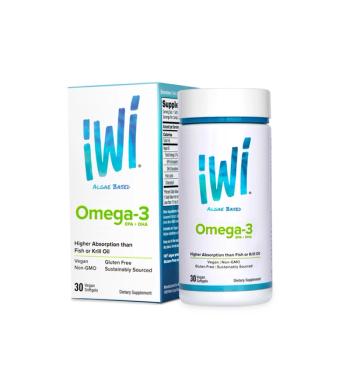
The line is based on the company’s flagship, EPA-rich algae ingredient, Almega PL.
Kaneka showcased new sports prototypes featuring its ubiquinol CoQ10 ingredient combined with other vitamins and minerals, including in vegicap, powder stick, gel, and gelatin capsule formats, at May’s Vitafoods Europe trade show.
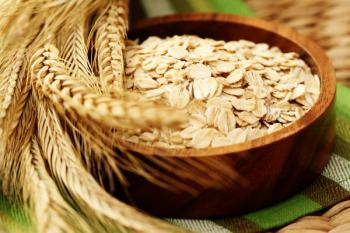
Naturex highlighted its new Sweoat range of oat beta-glucans, its Aronox aronia berry extract, and its acerola cherry–derived vitamin C, all of which the company says have applications in the heart-health space.
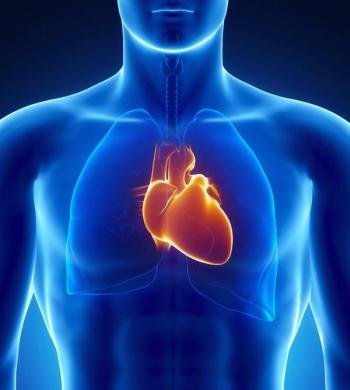
The meta-analysis found that folic acid and B vitamins have only minimal protective benefits for cardiovascular disease and stroke, respectively.

Veri-te resveratrol supplier, Evolva, says that investing in innovative delivery systems, plus new science, will be key to growing the market.

Results from recent clinical studies suggest that Euromed’s pomegranate extract, Pomanox, possesses a variety of health benefits related to healthy aging.
AIDP will distribute Kappa Bioscience’s patented vitamin K2 MK-7 Ingredient, K2Vital, to the U.S. dietary supplements market.

Research highlights turmeric’s benefits for blood sugar support.
Company representatives from NattoPharma spoke with Nutritional Outlook about how the company plans to raise consumer and industry awareness about vitamin K2 for cardiovascular health through research initiatives, as well as through a new iHeart device that measures a user’s “internal age,” or aortic stiffness.

The sports drinks market is continuing to diversify, with consumers driving demand for healthier sports drinks products. This demand for healthy drinks-coupled with growing niches that have very specific functional needs-is likely to open up new opportunities for brands that fine-tune their formulations and marketing in response.

Aker BioMarine (Oslo, Norway) debuted promising new pilot-study data at last week’s Natural Products Expo West trade show, examining the benefits of the company’s Superba Boost krill oil concentrate for recovery of triathletes following high-intensity exercise.

Results from the pilot study showed that the high-DHA concentrate may indeed modulate human B-cell activity in middle-aged obese adults, but the study’s authors stressed the need for further testing in a larger cohort.
Impressive 2017 sales for vitamin K2 indicate that bone health superstar is in for another big year.

Omega-3s are poised for a comeback, thanks to innovation in the category and new research initiatives.
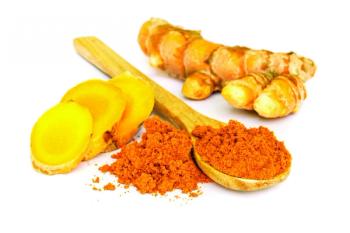
Curcumin-no longer merely a culinary spice or folk medicine, but an ingredient with a track record of research-backed health benefits-is set for another big year in 2018.

GOED issued a statement to its members affirming several points, including that the meta-analysis, which showed that omega-3 fatty acid supplementation had no significant associations with CHD death, nonfatal myocardial infarction, any coronary heart disease events, or major vascular events, adds little to the current body of evidence surrounding omega-3s and cardiovascular risk factors.

The company says that its first food-grade potassium chloride facility will help manufacturers lower products' sodium content by up to 50%.

Researchers noted that while surgical and trans catheter aortic valve replacements can treat severe symptomatic calcific aortic valve stenosis cases, not all patients are good candidates for the procedures.
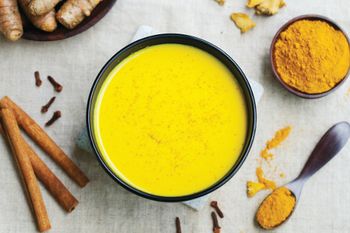
Both formulas deliver 400 mg of turmeric extract standardized to 95% curcuminoids per serving, concentrating the dose of curcumin that consumers receive.

The report has been posted to the Codex Alimentarius Commission website.