





Sabinsa’s worldwide president Shaheen Majeed underscored the greater metabolic health implications of ForsLean beyond just weight control.
Sabinsa’s worldwide president Shaheen Majeed underscored the greater metabolic health implications of ForsLean beyond just weight control.
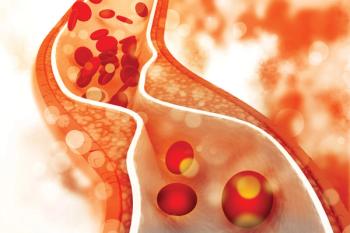
The heart health category remains important to the dietary supplement industry because it includes a stable of products that have proven efficacy and consistent usage.

Amla extract standardized for polyphenols and omega-3 ALA significantly reduced cholesterol levels in recent study.

This new review paper is a component of a campaign to raise awareness of the unique health impacts of vitamin K2 and thus the need for an RDI specifically for vitamin K2.

A new review published in Frontiers in Cardiovascular Medicine examines the impact calcium supplementation has on bone and cardiovascular health, and the role vitamin K2 may play in proper calcium utilization in the body.

A new study published in Phytotherapy Research demonstrates the long-term benefits of a nutraceutical formulation containing a polyphenol-rich extract of wild brown seaweed and chromium picolinate.

The magnesium supplements market is still largely untapped, with lots of potential for growth.

The omega-3 industry will continue its efforts to overcome unfairly negative messaging about omega-3 ingredients and to highlight positive findings.
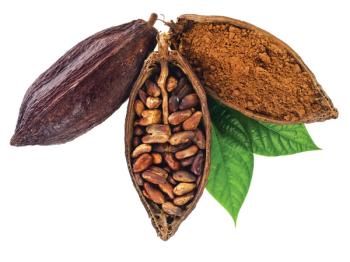
Research on cocoa and chocolate reveal positive impacts on arterial health, exercise-related brain function, and more.

The review found that dietary supplements and foods including omega-3s, polyphenols, and vitamin D, plus fruits and vegetables, may be effective in reducing pro-inflammatory cytokines found in metabolic syndrome, cardiovascular risks, and obesity, and may also improve the body’s lipid profile.

The latest on heart health ingredients and their recent science

Are these lesser-known plants ready for prime time?
Although the public has yet fully to appreciate vitamin K2, advocates are working overtime to change that. Here’s how an official recommended daily intake (RDI) value could help.

NattoPharma continues to build evidence that its MenaQ7 vitamin K2 MK-7 ingredient provides significant and unique benefits for heart health.

Although researchers did not find a reduction in the primary endpoint of significantly reducing major CVD events, the study did reveal some positive, statistically significant benefits, the association says.

The ingredient is made using a patented fungal fermentation process.
ChromaDex has stopped taking new orders of pterostilbene, a popular antioxidant, effective July 31 because of research that indicates the ingredient increases low-density lipoprotein (LDL) cholesterol.

Not only do 75% of Americans take supplements, but 87% of U.S. adults have overall confidence in the safety, quality, and effectiveness of dietary supplement products, the survey found.

It is well known that EPA and DHA support cardiovascular and metabolic health through several mechanisms.
An in vitro study conducted by Sabinsa Corp. provides evidence that the probiotic strain Bacillus coagulans MTCC 5856 (brand name LactoSpore) may help manage cholesterol levels.

Pine bark extract may reduce the incidence of post-thrombotic syndrome following deep vein thrombosis, and recurrent deep vein thrombosis, according to a recently published study.

Prebiotic benefits extend to metabolic health, heart health, and more.

The review found that the combination of omega-3s and statins for heart health can sometimes be complementary, but can also be antagonistic. The authors note that further intervention studies are needed to explore the interaction.

The need is growing to support senior health with products targeting healthy aging.

Bill Harris, PhD, omega-3 researcher and founder of OmegaQuant, says a recent Cochrane report is biased because it ignores a large body of evidence showing favorable effects of EPA and DHA on cardiovascular risk.