



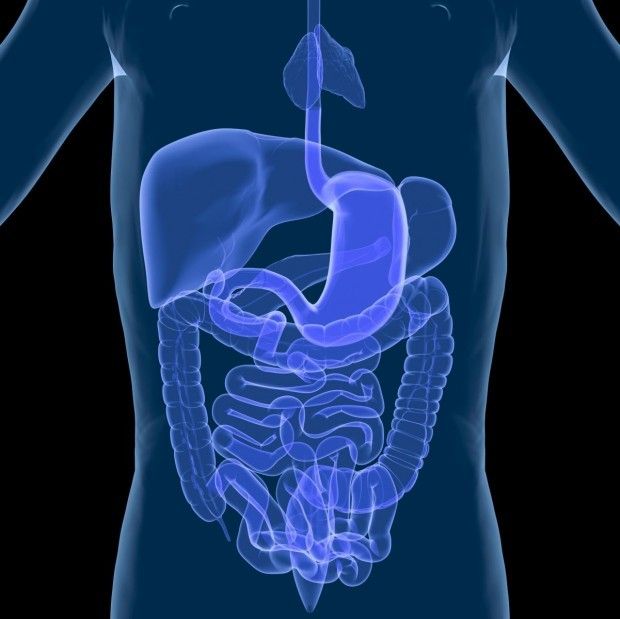


The in vitro study found that the presence of BC30 both increased protein digestion uptake in the upper gastrointestinal tract and promoted a healthier environment in the colon.
The in vitro study found that the presence of BC30 both increased protein digestion uptake in the upper gastrointestinal tract and promoted a healthier environment in the colon.

The study authors say that the combination of Deerland Enzyme and Probiotics’ DE111 Bacillus subtilis probiotic strain with “adequate post-workout nutrition” improved body composition and overall athletic performance and shows potential for use by both professional and recreational athletes.

At IFT 2017, a Tate & Lyle microbiologist discussed opportunities and hurdles that microbiome researchers must now overcome as they focus on studies in human populations.

Ganeden introduced Staimune at this week’s Institute of Food Technologists (IFT) trade show in Las Vegas.

The peer-reviewed study examined GanedenBC30’s potential effects on muscle integrity during intense military training and found that its presence increases the previously studied benefits of HMB.

The proprietary ingredient was proven in a clinical study to be effective in helping reduce waist circumference in overweight adults.

Lallemand Health Solutions announced that its ProbioKid probiotic formula is now Generally Recognized as Safe (GRAS) in the United States and Canada.

Deerland Enzymes & Probiotics’ genome-sequenced probiotic Bacillus subtilis strain DE111 has been given a Natural Product Number (NPN) by Health Canada.

Expanding the frontiers of probiotics research to the brain and the heart.
Probi Select is a patented and clinically documented line of probiotic strains curated to help provide gastrointestinal and immune support.
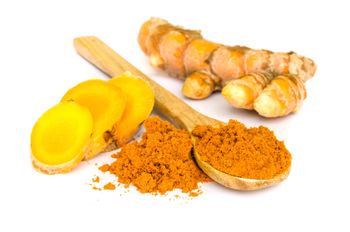
Researchers found that while curcumin alone has long been considered an effective anti-inflammatory, the addition of turmeric essential oils may improve turmeric’s ability to reduce the severity of colitis symptoms.

Researchers in Brazil have found that celiac patients taking a probiotic yogurt may experience a significant increase in gut levels of bifidobacteria.

A new study suggests MSPrebiotic, a resistant starch, supports and increases endogenous Bifidobacteria levels in the gut in both elderly and middle-age people.

The facility expansion has made it possible to increase production of the company’s PernaTec New Zealand Greenshell green lipped mussel oil, in addition to some of the company’s other ingredients.

A new review of 80 human trials investigates antioxidant supplement usage and benefits to irritable bowel syndrome and inflammatory bowel disease.

More companies and ingredients are targeting the pet-supplements market.

A meta-analysis recently published in the World of Gastroenterology strengthens previous conclusions about the capacity of ibSium, a yeast supplement from Lesaffre Human Care, to alleviate symptoms of gastrointestinal disorder.

Anagenix specializes in New Zealand-grown kiwifruit-based ingredients that support digestive health.

Called Digestible, the portal focuses on two ingredient categories for digestive health: probiotics and enzymes.

By binding to H. pylori, the Pylopass probiotic strain ensures that the entire “co-aggregate” (Pylopass bound to H. pylori) is excreted from the body intact instead of allowing the H. pylori to remain in the gut and change the gut’s microflora, the company says.
Beneo's Orafti inulin chicory root fiber showed promising digestive-health effects in three new studies on several markers of gut well-being.

Sabinsa Corp. now holds a U.S. patent for the company’s shelf-stable Bacillus coagulans MTCC 5856 probiotic ingredient, brand name LactoSpore, for therapeutic management of irritable bowel syndrome (IBS).
Are all fermented foods probiotic? Do probiotics delivered in a topically applied skin cream really work? Probiotics expert Ganeden takes us through five of the most common myths surrounding probiotics.

Ganeden says its proprietary probiotic strain is now the first and only spore-forming probiotic allowed to be used specifically in infant formulas.

According to supplier ADM/Matsutani LLC, Fibersol-DLQ is for formulators who want to make a fiber claim but without including a “high percentage of fiber.”