
New research finds that krill oil may significantly reduce fasting blood glucose.


New research finds that krill oil may significantly reduce fasting blood glucose.

Not only do 75% of Americans take supplements, but 87% of U.S. adults have overall confidence in the safety, quality, and effectiveness of dietary supplement products, the survey found.

Supplementation with a full-spectrum palm tocotrienol complex may slow the progression of diabetic kidney disease in those with type 2 diabetes, a new study published in Nutrients found.

It is well known that EPA and DHA support cardiovascular and metabolic health through several mechanisms.

Fenugreek is an herb to watch, with benefits ranging from blood sugar support and stress relief.

Two similar but separate animal studies found that supplementation with tocotrienols from annatto beans (DeltaGold from American River Nutrition; Hadley, MA) in rodents with induced metabolic syndrome and type 2 diabetes not only supported blood sugar but also bone health.

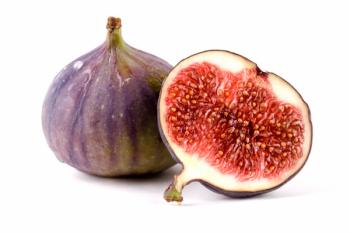
A fig fruit extract standardized in abscisic acid content may help manage healthy blood sugar.

Small administrations of pterostilbene and resveratrol were deemed useful in protecting mice from diabetic health problems, according to results of a recent study.

In the study, mice that were fed a high-protein, high-omega-3, low-carbohydrate diet exhibited lower blood glucose levels, including in induced type 1 diabetes, hormone-induced hyperglycemia, and diet-induced metabolic syndrome.

Researchers are studying how whey protein may help manage postprandial blood sugar levels.

Oroxylum indicum, an ingredient also known by the name midnight horror, may help alleviate symptoms of hyperglycemia associated with diabetes.

In a review of 29 published human studies, researchers found that sweet cherries may offer health benefits to subjects suffering from chronic inflammatory conditions.

In the study, cyclists who pre-supplemented with Palatinose prior to exercising exhibited a more stable blood glucose profile, higher fat oxidation, and improved athletic performance, compared with a maltodextrin control group.

The newly approved fibers can be listed as dietary fibers on the Nutrition Facts label and be included when calculating the total amount of fiber per serving declared on the Nutrition Facts label.

Veri-te resveratrol supplier, Evolva, says that investing in innovative delivery systems, plus new science, will be key to growing the market.

In the study, Glucodia was shown to help prevent insulin resistance and visceral fat accumulation, factors that the study authors say can lead to metabolic syndrome.

The study, performed in Chinese men, found that a low-glycemic diet supplemented with Beneo’s functional carbohydrate isomaltulose Palatinose helped control subjects’ blood sugar levels and support weight management compared with a high-glycemic diet.

Research highlights turmeric’s benefits for blood sugar support.

The company said that this reforestation project will ensure that more than 166,600 Indian Kino trees, whose extract is traditionally used to help maintain healthy blood sugar levels, are planted over the next 10 years.

In the study, Pterocarpus marsupium extract lowered diabetic rats’ blood glucose and HbA1c levels while increasing their levels of insulin.

The newest research on blood sugar nutraceuticals is aimed at both at-risk and diabetic individuals where they shop: in the functional food aisle.

From skin benefits to digestive system support, aloe has much to offer.

According to the study authors, this is the first study to “comprehensively characterize the physiological responses to slowly digestible starch…in in vitro and in vivo studies.”

As consumer demand for natural ingredients continues to grow, lesser–known botanicals, backed by millennia-old healing traditions and supported by contemporary research, are poised to steal the spotlight in 2018.

In the study, performed in subjects with type 2 diabetes, Sabinsa’s Curcumin C3 Complex together with its BioPerine bioavailability booster demonstrated, for the first time, a reduction in lipoprotein(a), a “protective armor” of LDL cholesterol.