

The 45,000-sq-ft facility is located in Mount Vernon, MO.
The 45,000-sq-ft facility is located in Mount Vernon, MO.

How do companies thrive when there are too many jobs and not enough people to fill them?

Bill Chioffi previously served as vice president of global sourcing and sustainability at Gaia Herbs.

Clasado Biosciences is expanding distribution of its GOS prebiotic ingredient in Asia Pacific.

In an August 8 open letter to the dietary supplements industry about the FDA Safety & Landmark Advancements Act (FDASLA) and mandatory product listing proposals, the Council for Responsible Nutrition’s President and CEO Steve Mister reports that “negotiations for dietary supplement product listing continue with progress made each day toward getting a final bill that CRN can support.”

TerraCycle’s innovative waste-management capabilities enable products and packages like dirty diapers and cigarette butts that would otherwise end up in a landfill to be recycled.

The two new products are designed to support intensity and endurance during exercise.
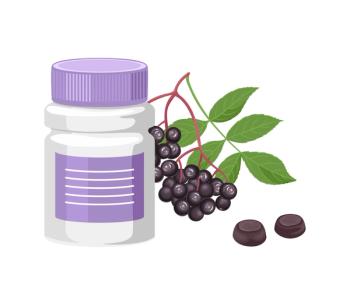
With elderberry’s fortunes rising along with the research, can we expect its good luck to continue?

Gummy supplements producer TopGum received designation as a USDA-certified organic manufacturer from international certifier Organic Certifier.

Using this method, the company can produce protein isolates, natural colors, flavor enhancers, gluten substitutes, and other useful compounds.

Maolac says it will use the funds to build a facility with small-scale production capabilities.

Prebiotic companies are taking delivery forms to a whole new level.

FruitSmart’s fiber ingredients are produced from the leftover materials from the company’s FruitSmart cold-press fruit-pressing process.

In early-stage canola field trials, the platform significantly increased seed weight per hectare for canola crops.

Anthocyanins hold value beyond their coloring effects. They can impart many functional properties in functional and nutritional foods, too.
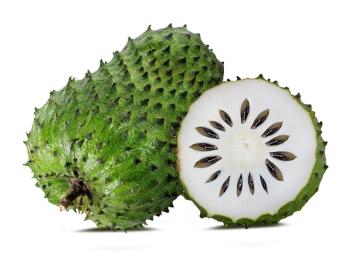
Together, Agravitae and TKO Farms have developed a proprietary process to freeze dry the vine-ripened fruit to preserve its nutritional qualities. Armed with this new technology, they have also developed a range of products that are making their way into the U.S. market.

AHPA’s chief science officer, Holly E. Johnson, PhD, sat down with Nutritional Outlook to talk about what AHPA hopes to achieve with this year’s Botanical Congress program and its focus on Planet Earth. The event takes place virtually on August 16-17.

Kelai Pharmaceutical’s goal is to identify drug candidates in botanical plants to develop pharmaceuticals.

In addition to their ongoing goal of conducting in-depth consumer research, the two companies are launching the second phase of a joint clinical trial known as “Project Happy.”

Results showed that vitamin D supplementation did not have a significant impact on fracture risk. Industry advocates are criticizing the study's protocol.

FDA maintains that NAC is not a dietary supplement, but is considering initiating rulemaking on the ingredient, and will be exercising a policy of enforcement discretion on NAC products.

At the center of these products is a unique species of algae, lithothamnion superpositum, which contains all 13-bone supporting minerals.

Food byproducts and waste present an important opportunity for product development.

The company’s goal is to develop and optimize microorganisms in order to produce organic compounds such as proteins.

The new center enables Corbion help Asia-Pacific customers with food stability and preservation solutions.

Merit Functional Foods announced that its Peazazz pea protein may be used to replace methylcellulose, an ingredient commonly used in meat alternatives as a binding and gelling agent.

Better Juice’s enzymatic process converts simple sugars (fructose, glucose, and sucrose) into prebiotic dietary fibers and other non-digestible molecules, while maintaining the full flavor, body, and naturally occurring vitamins and nutrients of the fruit.

The survey was conducted in 3500 dietary supplement consumers in the U.S., UK, Italy, Germany, and China.

A recent study found that adulterated dietary supplements remained on the market years after being issued a warning letter by the U.S. Food and Drug Administration (FDA).

The company’s ACV contains 5% acetic acid and can be included in functional foods and dietary supplements.