


Will a widening audience give energy products staying power?
Will a widening audience give energy products staying power?

Called FlexiGo, the ingredients are derived exclusively from Harpagophytum procumbens and Harpagophytum zeyheri and aim to relieve joint discomfort.

Ahead of the upcoming Vitafoods Europe trade show, Lycored says that a new survey the company conducted found that two-thirds of consumers now see the concept of taking a supplement for skincare as normal practice.

The line is based around the company’s healthy-yeast ingredients, which have been shown in recent studies to help fight the pathogenic yeast Candida albicans, which is a prominent cause of vaginal infections.

The government’s official definition of healthy has not been updated for more than 20 years.

Called the “master antioxidant,” glutathione is an amino acid found in every cell in the body that plays a key role in immune health, the body’s detoxification process, and more.

The company says that its chicory root fiber ingredients can provide consumers with benefits like satiety and ultimately help them manage weight.

NAXA first announced the certification program in 2016 in order to differentiate astaxanthin products derived from Haematococcus pluvialis from synthetic-astaxanthin ingredients on the market.

Come one, come all…to the plant-based-beverage market.

More companies and ingredients are targeting the pet-supplements market.

Is it really true that you need to own your entire supply chain before you can achieve full traceability?

The quick answer is yes. It can be done, and it has been done. Here's how.
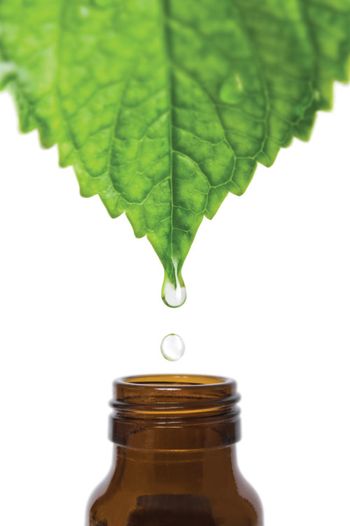
Life Extension’s label for Mediterranean Whole Food Blend promotes PhytoClean front and Center, advertising the product as a “farm-to-capsule blend using PhytoClean technology.”

The process patent lets Applied Food Sciences create a highly water-soluble energy ingredient.

Market researcher Mintel and beverage specialist Flavorman talk about the evolution of sports drinks.

Experts discuss emerging adulterants, strategies for catching adulteration, and whether the Designer Anabolic Steroid Control Act has made a difference.

Anagenix specializes in New Zealand-grown kiwifruit-based ingredients that support digestive health.

Finnish organic ingredient supplier Eevia and ingredient distributor Barrington Nutritionals (Harrison, NY) have signed a distribution deal that sees Barrington Nutritionals distributing Eevia’s organic-certified portfolio in North America.

AIDP is now an exclusive U.S. distributor of Weishardt International’s Naticol, a marine Type I collagen peptide ingredient for joint and skin health.

Called Digestible, the portal focuses on two ingredient categories for digestive health: probiotics and enzymes.
Consumers looking for products containing Kyowa’s ingredients can also look for the Kyowa Quality seal on packaging.

The American Herbal Products Association (AHPA; Silver Spring, MD) has adopted a new guidance policy specifically to assist its members in complying with label regulations for products containing fungal ingredients.

How do you design packaging to stand out on a crowded shelf?

Turmeric is on a tear-but for how long?

Products putting turmeric in the spotlight
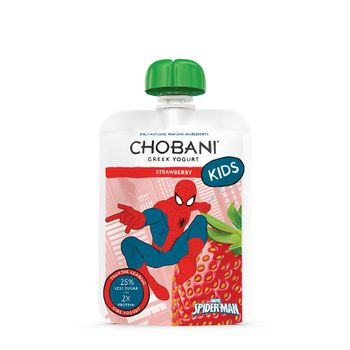
Opportunities in the children’s health products market.

The founder of natural products industry giant Now Foods passed away but leaves a legacy.

Superfruits are still going strong in the U.S.

We spoke to Erika Whitman, RD, CSSD, team sports dietitian at The Madison Square Garden Company in New York, about the role supplementation plays in professional sports today.

A new analysis finds that more widespread use of calcium and vitamin D supplements could save nearly $4.3 billion per year in EU healthcare costs stemming from bone fractures caused by osteoporosis.